Achromatic Lens(Doubel Lenses)
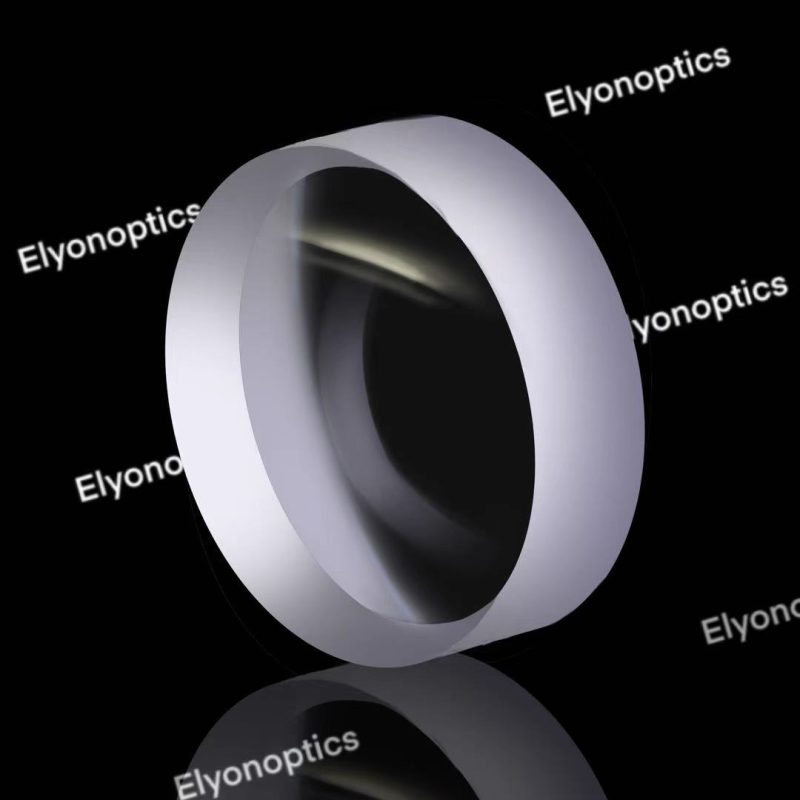
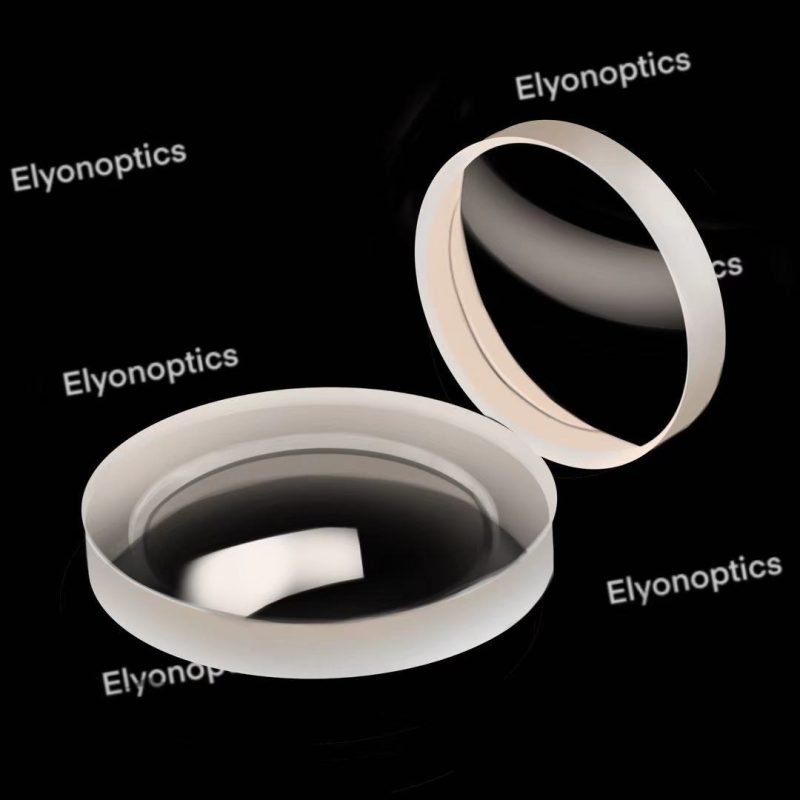
An achromatic lens can be defined as a lens which is made by acombination of two different types of lenses carrying different focal powers in a manner such that the images formed by the light of both the combined lenses are free from chromatic aberration or achromatism.
Description
Achromatic Lenses are used to minimize or eliminate chromatic aberration. The achromatic design also helps minimize spherical aberrations. Achromatic Lenses are ideal for a range of applications, including fluorescence microscopy, image relay, inspection, or spectroscopy. Achromatic Lenses, which are often designed by either cementing two elements together or mounting the two elements in a housing, create smaller spot sizes than comparable singlet lenses.
What are the achromatic lenses used for?
Achromatic Lenses are used to minimize or eliminate chromatic aberration. The achromatic design also helps minimize spherical aberrations. Achromatic Lenses are ideal for a range of applications, including fluorescence microscopy, image relay, inspection, or spectroscopy.
What can we do for you?
Achromatic Lenses
Cemented Achromatic Doublets
Cemented Achromatic Triplets
Achromatic Doublet Pairs
Negative Achromatic Lenses
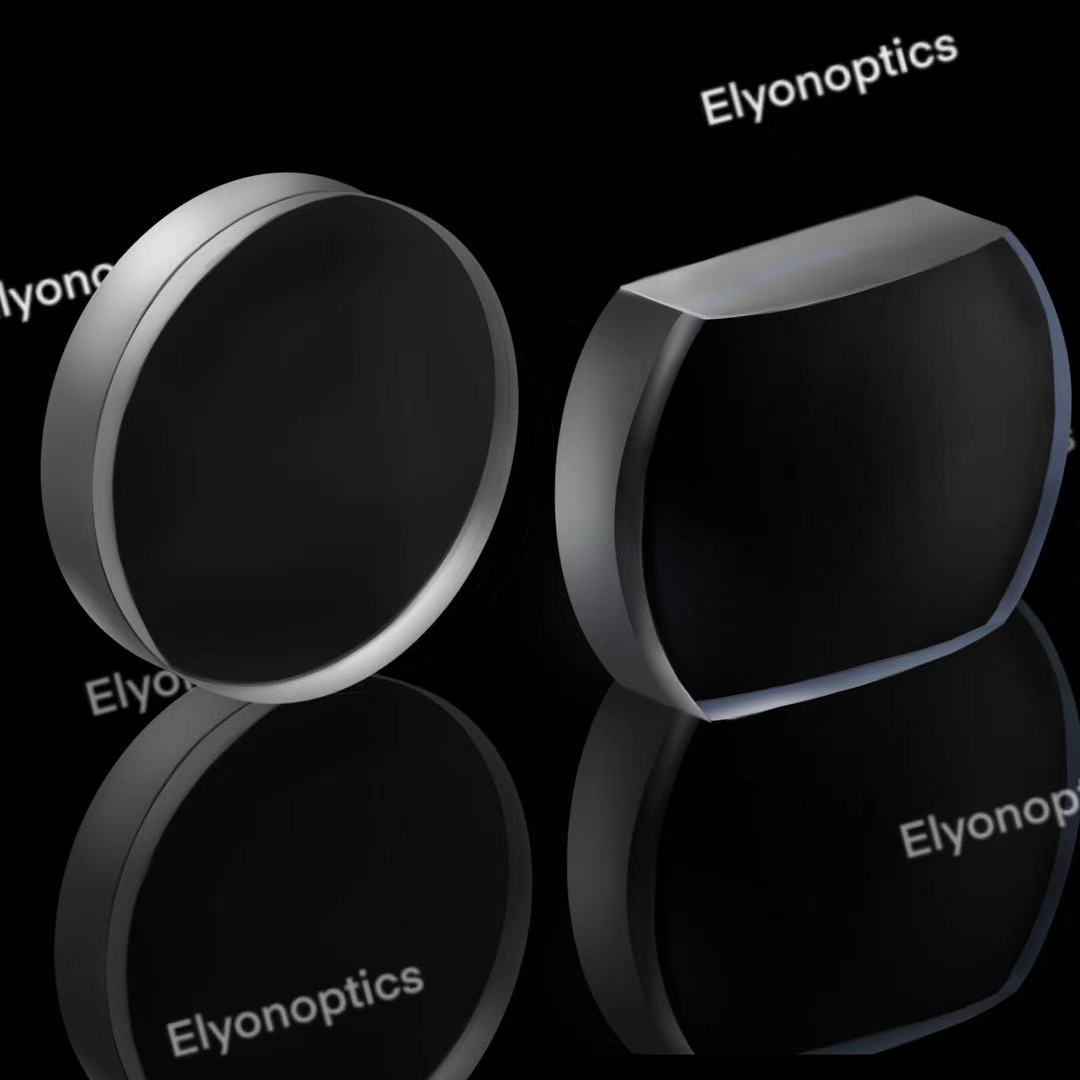
Achromatic Cylindrical Lenses
Near UV Achromatic Lenses
Near-IR Achromatic Lenses
UV-to-NIR Corrected Triplets
Specification:
| Specification | Value |
|---|---|
| Material | CDGM, Schott, Ohara |
| Dimension Thickness Tolerance | ±0.1 mm, ±0.01 mm |
| Center Thickness Tolerance | ±0.1 mm, ±0.05 mm |
| Paraxial Focal Length | ±2% |
| Surface Quality | 60/40, 40/20 |
| Clear Aperture | >85% |
| Surface Figure | λ/2, λ/4 @ 633 nm |
| Centration | 3 arc minutes |
| Bevel | <0.25 mm × 45° |
| Coating | Upon requirement |
FAQs
1. What is your MOQ for achromatic lens(doubel lenses)?
Our standard MOQ is 50 pieces for regular production.
For small orders (≤50 pcs), we can still accept production and provide full inspection reports and measurement data for each piece upon request.
2. Do you support small batch or prototype orders?
Yes. We support small batch and prototype production for testing and evaluation before mass production.
3. What is your production lead time?
- Standard polished fused silica windows: 4–5 weeks
- Coated optical windows (AR / HR): 5–6 weeks, depending on coating type and specifications
4. Do you provide inspection reports?
Yes. We provide quality inspection reports based on order quantity:
- ≤50 pcs: Full inspection data for each piece available
- 100–1,000 pcs: 5%–10% random sampling inspection reports
- >1,000 pcs: 0.5% sampling inspection reports
All inspection data includes dimensional and surface quality parameters.
5. What coating options are available?
We offer:
- Anti-Reflection (AR) coatings
- High-Reflection (HR) coatings
- Broadband coatings
- Custom wavelength coatings (UV / Visible / IR)
6. Can you manufacture custom sizes and shapes?
Yes. We support OEM manufacturing according to drawings.
Available shapes include:
- Round
- Square
- Rectangular
- Stepped
- Wedged
- Drilled / special structures
7. What quality certifications do you have?
We are certified under international quality management systems, including:
- ISO 9001 Quality Management System
- IATF 16949 Automotive Quality System
- Good Standardization Practices Certification
We also apply strict internal quality control processes, including dimensional inspection, surface quality testing, and coating performance verification before shipment.