Silicon Lens Materials and Performance
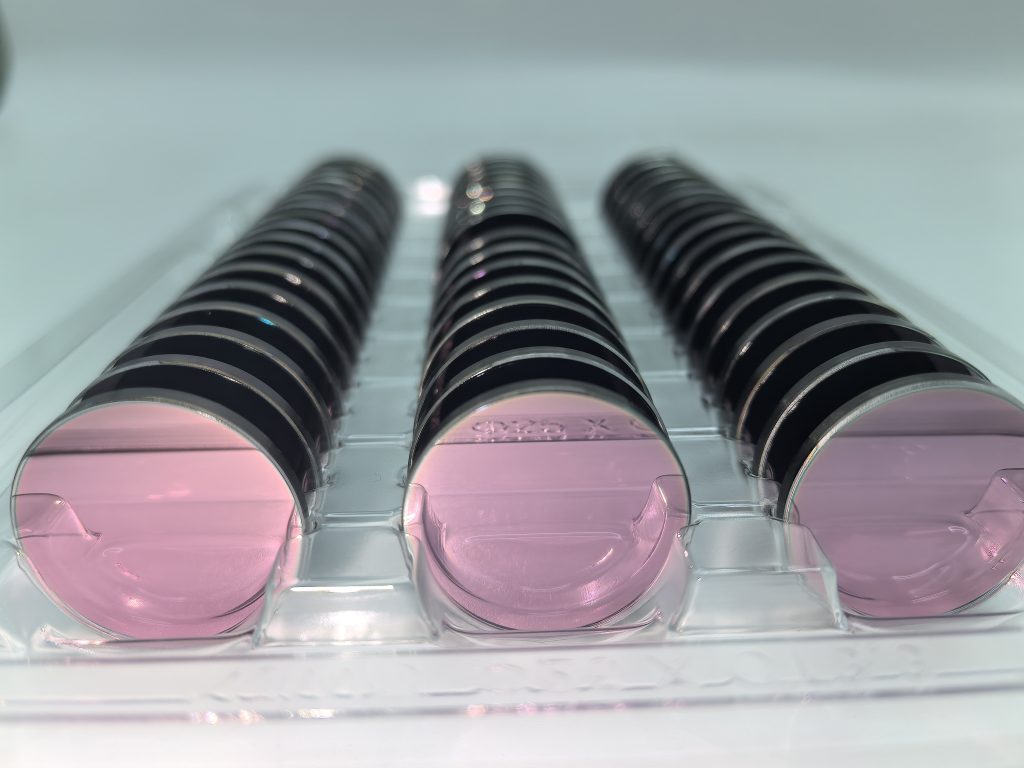
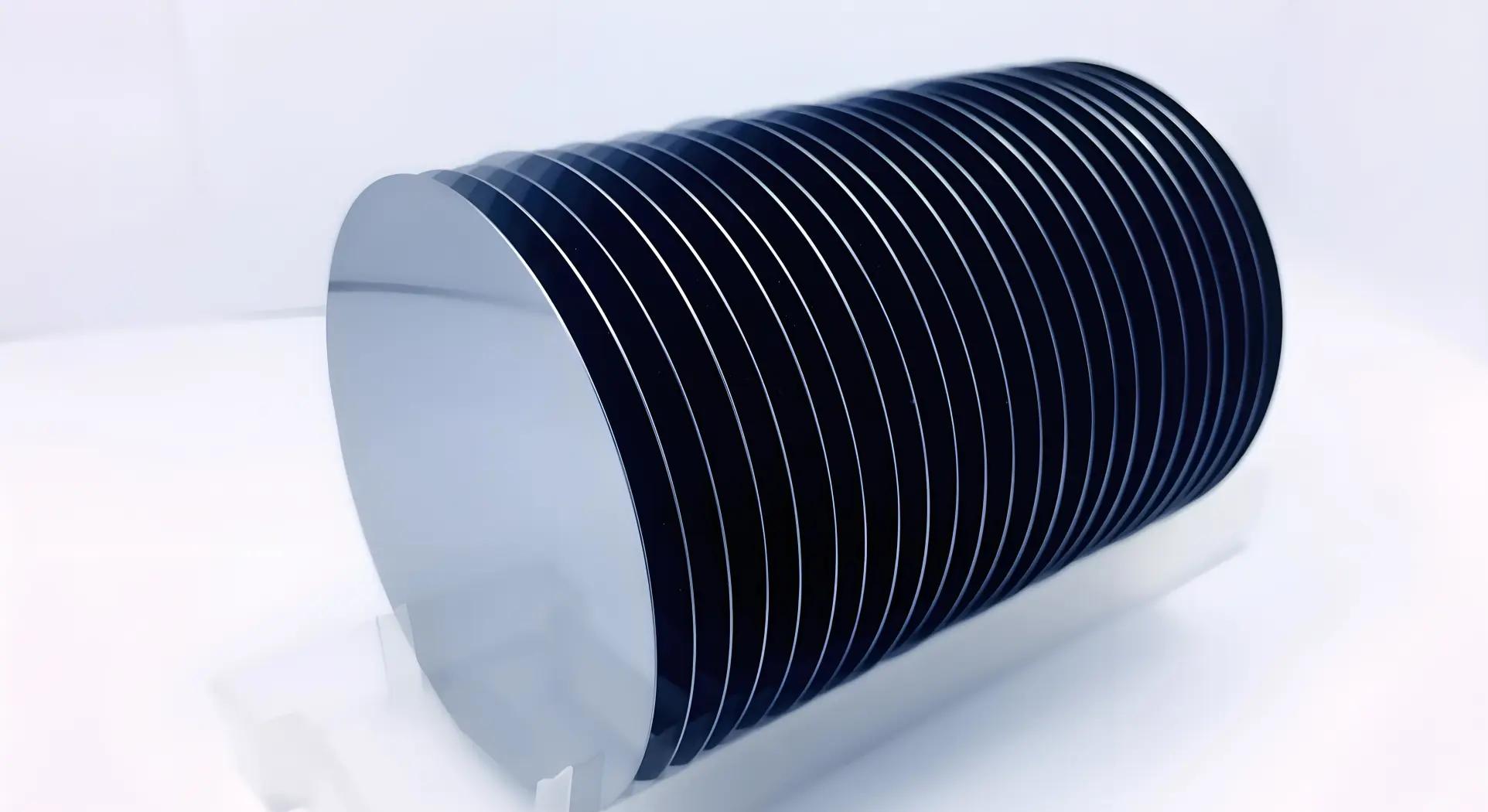
Silicon (Si) is widely used as an optical material for infrared applications because of its broad transmission range, relatively high refractive index, and good mechanical stability. Silicon lenses are commonly used in thermal imaging systems, infrared cameras, laser systems, sensors, and industrial inspection equipment.
Silicon as an Optical Lens Material
Silicon is a semiconductor material with optical properties that make it particularly suitable for infrared optics. Compared with visible-light optical glasses, silicon provides better performance in specific infrared wavelength ranges and offers good resistance to mechanical wear.
Key characteristics of silicon optical materials include:
- High refractive index
- Good infrared transmission
- Low optical absorption in suitable wavelength ranges
- High mechanical strength
- Good thermal stability
- Compatibility with precision optical processing
These properties allow silicon lenses to be designed for demanding infrared optical systems.
Infrared Transmission Performance
Silicon is mainly selected for infrared applications rather than conventional visible-light optics. Its transmission characteristics make it suitable for systems operating in the near-infrared and mid-infrared regions.
The actual transmission performance depends on factors such as wavelength, material purity, surface quality, lens thickness, and coating design. For this reason, silicon lens specifications should be matched to the operating wavelength of the optical system.
Refractive Index and Lens Design
Silicon has a relatively high refractive index, allowing optical designers to achieve strong light-bending performance with compact lens geometries.
This property is useful when designing:
- Infrared focusing lenses
- Beam-shaping optics
- Imaging lenses
- Infrared sensor lenses
- Laser optical components
Because of its high refractive index, anti-reflection coatings are often important for improving transmission and reducing surface reflection.
Surface Quality and Optical Performance
The surface quality of a silicon lens directly affects its optical performance. Scratches, digs, surface irregularities, and polishing defects can increase scattering and reduce image quality or transmission efficiency.
For precision infrared optics, manufacturers typically control:
- Surface flatness
- Surface roughness
- Scratch and dig
- Dimensional tolerance
- Center thickness
- Edge thickness
- Centration
Higher-precision applications require tighter manufacturing tolerances and more consistent surface finishing.
Silicon Lens Coatings
Uncoated silicon surfaces can produce significant reflection because of the material’s high refractive index. Anti-reflection coatings can therefore improve transmission and overall optical efficiency.
Coating selection depends on the operating wavelength and application. Common considerations include:
- Operating wavelength
- Angle of incidence
- Environmental conditions
- Required transmission
- Laser power
- Temperature range
For industrial infrared systems, coating durability can be just as important as optical transmission.
Thermal and Mechanical Performance
Silicon provides good mechanical strength and dimensional stability, making it suitable for industrial optical systems that require reliable operation.
Its thermal characteristics also make silicon useful in infrared equipment exposed to changing temperatures. However, the complete optical assembly must be designed according to the operating temperature, mounting method, lens dimensions, and thermal expansion requirements.
Applications of Silicon Lenses
Silicon lenses are used across a range of infrared optical systems, including:
Infrared Imaging
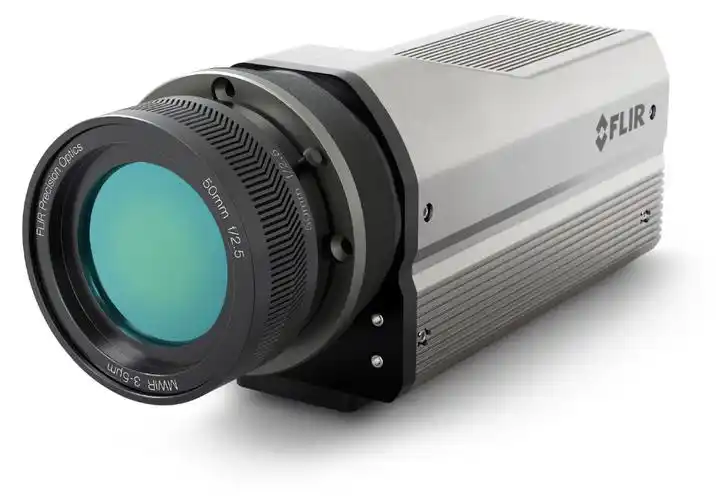
Silicon optics can be used in infrared cameras and imaging assemblies where wavelength-specific transmission and compact optical designs are required.
Thermal Detection
Industrial thermal sensors and inspection systems can use silicon optical components to focus infrared radiation onto detectors.
Laser Systems
Silicon lenses can be used for infrared beam focusing and beam conditioning when their transmission range and damage characteristics match the laser wavelength and power level.
Industrial Inspection
Infrared inspection equipment can incorporate silicon lenses for detecting thermal conditions, material defects, and equipment abnormalities.
Silicon Lens Manufacturing
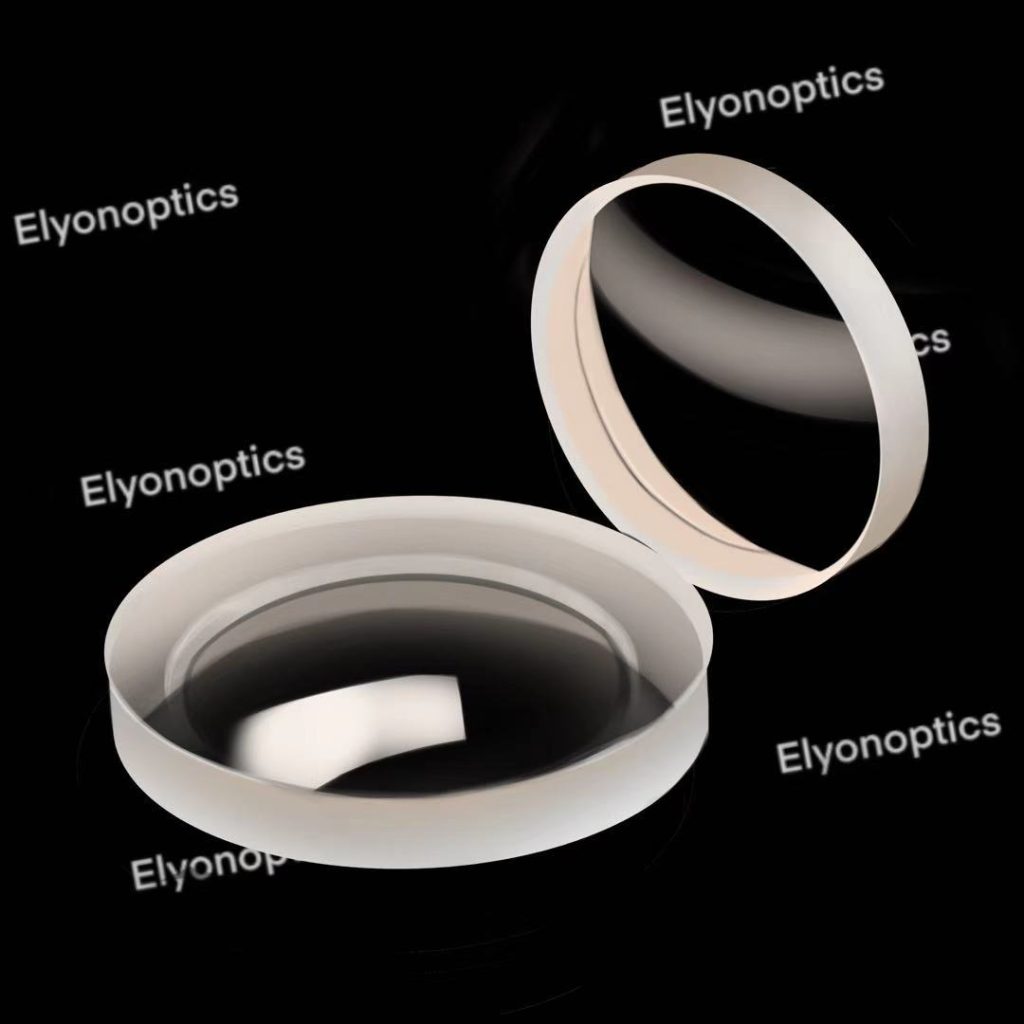
Precision silicon lenses can be produced in different optical geometries, including plano-convex, bi-convex, concave, aspherical, and custom designs.
Manufacturing quality depends on material grade, precision grinding, polishing, dimensional control, coating technology, and final optical inspection.
For custom silicon optics, the most important specifications normally include wavelength range, focal length, diameter, thickness, surface quality, coating requirements, and dimensional tolerances.
Selecting Silicon Lens Materials
Choosing the right silicon lens material requires consideration of the complete optical system rather than the material alone. Wavelength, transmission requirements, focal length, environmental conditions, coating performance, and mechanical dimensions all influence the final lens design.
For infrared applications requiring a combination of infrared transmission, high refractive index, mechanical stability, and precision manufacturing, silicon remains an important material for custom optical components.