How Spherical Lenses Work and Why They Are Widely Used
Spherical lenses are among the most fundamental optical components used in modern optical systems. Despite their simple shape, they play a critical role in controlling light in applications ranging from imaging and laser systems to industrial inspection and scientific instruments.
This article explains how spherical lenses work and why they remain widely used across different industries.
What Is a Spherical Lens?
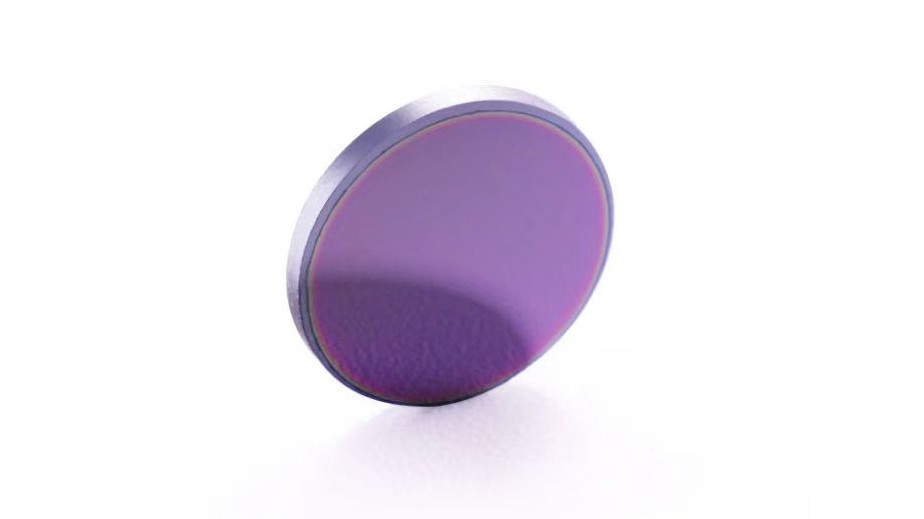
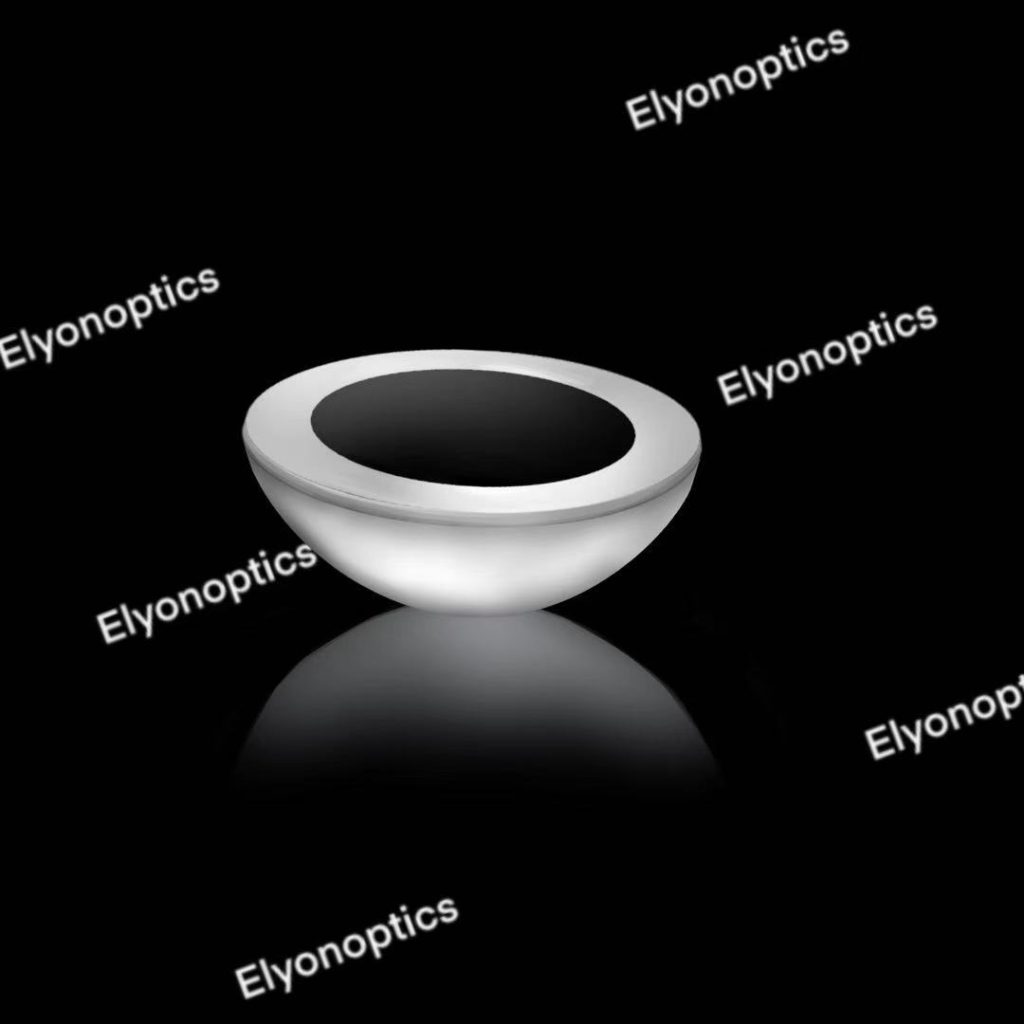
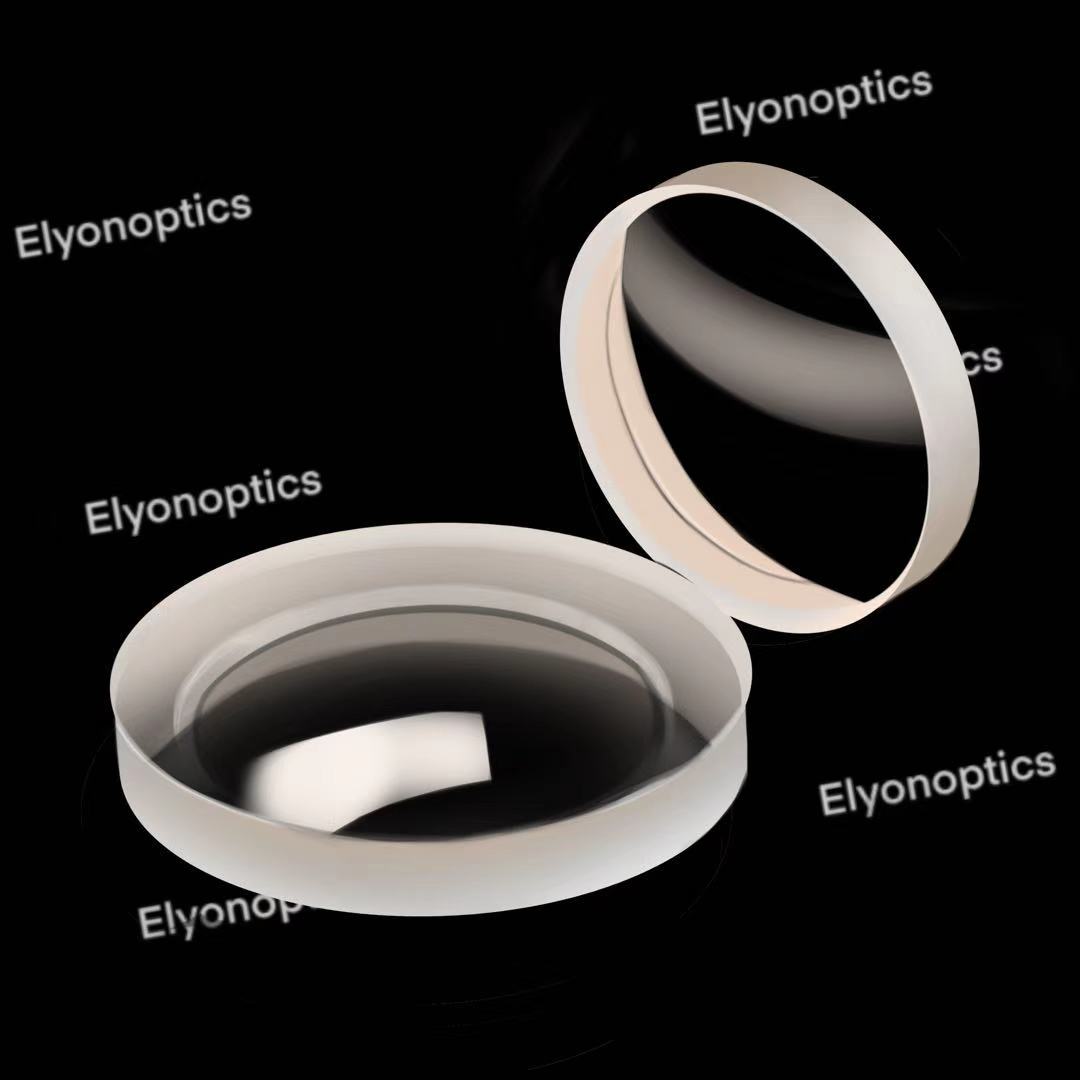
A spherical lens is an optical lens whose surfaces are parts of a sphere. Depending on its design, it may have one or two curved surfaces that bend light through refraction.
Spherical lenses are mainly used to converge or diverge light beams, making them essential in focusing and imaging systems.
How Spherical Lenses Work
The working principle of a spherical lens is based on light refraction.
When light passes through a lens, it changes direction due to the difference in refractive index between air and the lens material. The curved surface of a spherical lens causes light rays to bend in a controlled way.
Convex (Converging) Lenses
Convex lenses are thicker in the middle and thinner at the edges.
They cause parallel light rays to converge at a focal point.
This property makes them ideal for:
- Magnifying images
- Focusing laser beams
- Imaging systems
Concave (Diverging) Lenses
Concave lenses are thinner in the middle and thicker at the edges.
They spread light rays outward as if they originate from a virtual focal point.
They are commonly used for:
- Beam expansion
- Optical correction systems
- Laser shaping
Key Optical Properties
Several factors determine how a spherical lens performs:
Focal Length
The distance between the lens and its focal point. It determines how strongly the lens focuses or spreads light.
Refractive Index
The ability of the lens material to bend light. Higher refractive index generally means stronger focusing power.
Surface Curvature
The curvature radius directly affects optical power and imaging behavior.
Transmission Range
Different materials allow different wavelengths (visible, infrared, ultraviolet) to pass through.
Why Spherical Lenses Are Widely Used
Despite the development of advanced aspherical optics, spherical lenses remain widely used for several important reasons:
1. Simple Design and Manufacturing
Spherical surfaces are easier and more cost-effective to produce compared to complex lens shapes.
2. Cost Efficiency
They offer a good balance between performance and price, making them suitable for mass production.
3. Wide Material Availability
Spherical lenses can be made from many optical materials, such as:
- CDGM optical glass
- SCHOTT glass
- Corning glass
- OHARA glass
- Silicon
- ZnSe (Zinc Selenide)
- ZnS (Zinc Sulfide)
- Calcium Fluoride (CaF₂)
4. Versatility in Applications
They are suitable for both simple optical systems and high-precision instruments.
5. Easy Integration
Spherical lenses can be easily integrated into existing optical designs without complex alignment requirements.
Common Applications of Spherical Lenses
Spherical lenses are used in a wide range of industries:
🔬 Laser Systems
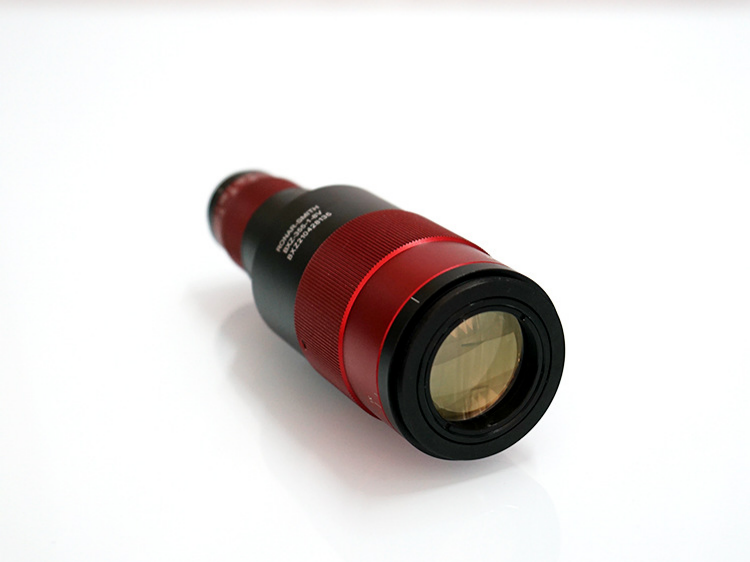
Used for beam focusing, collimation, and shaping in laser cutting, welding, and engraving systems.
📷 Imaging Systems
Found in cameras, microscopes, telescopes, and machine vision systems.
🏭 Industrial Equipment
Used in inspection devices, measurement instruments, and optical sensors.
🏥 Medical Technology
Applied in endoscopes, diagnostic devices, and laser-based surgical tools.
📡 Optical Communication
Used in fiber coupling and signal transmission systems.
Conclusion
Spherical lenses remain one of the most important and widely used optical components due to their simple structure, reliable performance, and versatility. They continue to play a key role in modern optical engineering, from industrial laser systems to advanced imaging technologies.
For applications requiring different wavelengths or environments, spherical lenses can be customized using various optical materials and coatings to meet specific performance requirements.