Silicon (Si) Infrared Lens Materials: Classification and Applications
In infrared optical systems, material selection plays a critical role in determining transmission performance, imaging quality, and applicable wavelength ranges. Among various infrared materials, silicon (Si) is widely used in the mid-infrared region due to its excellent optical properties, mechanical strength, and cost-effectiveness.
This article introduces the classification of silicon materials used in infrared lenses and their typical industrial applications.
1. Basic Optical Properties of Silicon in Infrared Applications
Silicon is an indirect bandgap semiconductor material commonly used in the 1.2 μm – 7 μm infrared wavelength range, especially effective in the 3–5 μm mid-wave infrared (MWIR) band.
Key advantages of silicon in infrared optics include:
- High transmission in the mid-infrared range (especially 3–5 μm)
- Excellent mechanical strength and hardness
- Good thermal stability for high-temperature environments
- Lower cost compared to materials like Germanium (Ge)
- Suitable for precision polishing and anti-reflective coatings
However, silicon has limited transmission in long-wave infrared (>8 μm), making it less suitable for LWIR imaging systems.
2. Classification of Silicon Materials for Infrared Optics
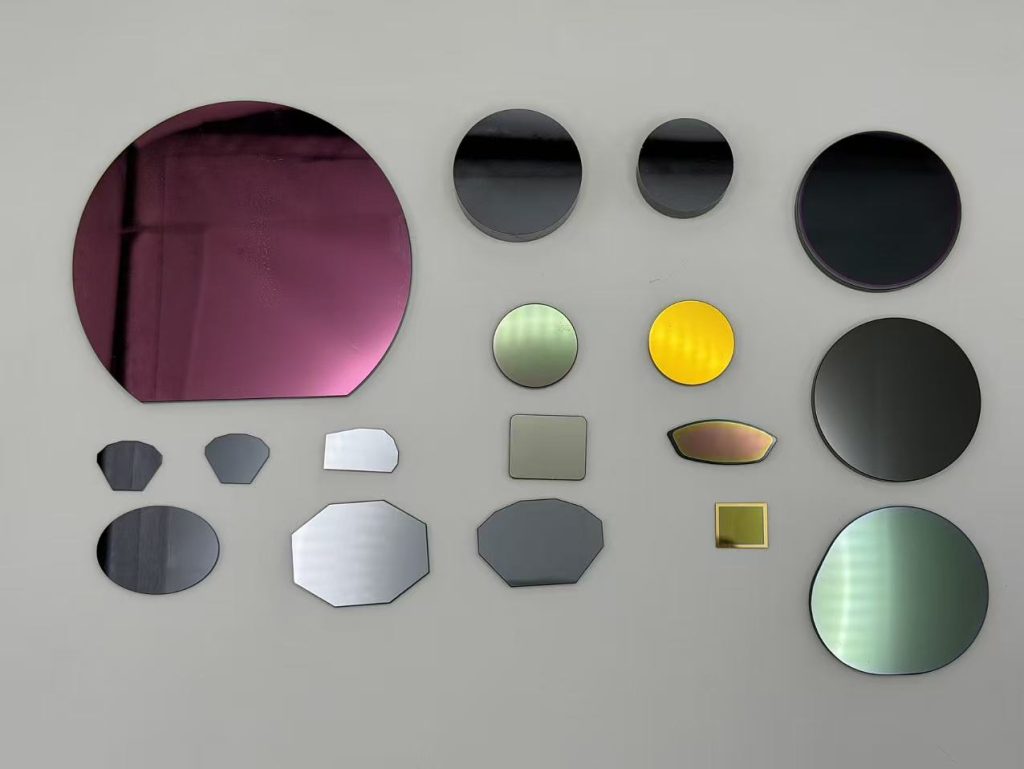
Silicon used in infrared optical components can be divided into several types based on crystal structure, purity, and processing methods.
2.1 Monocrystalline Silicon (Single Crystal Silicon)
Monocrystalline silicon is produced through controlled crystal growth processes and is widely used in high-end optical applications.
Characteristics:
- Highly uniform crystal structure
- Low optical loss and excellent transmission stability
- Suitable for precision optical systems
- High consistency in performance
Applications:
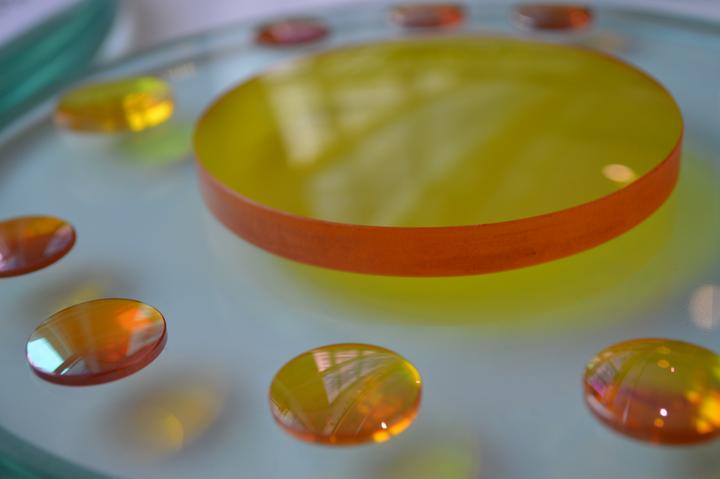
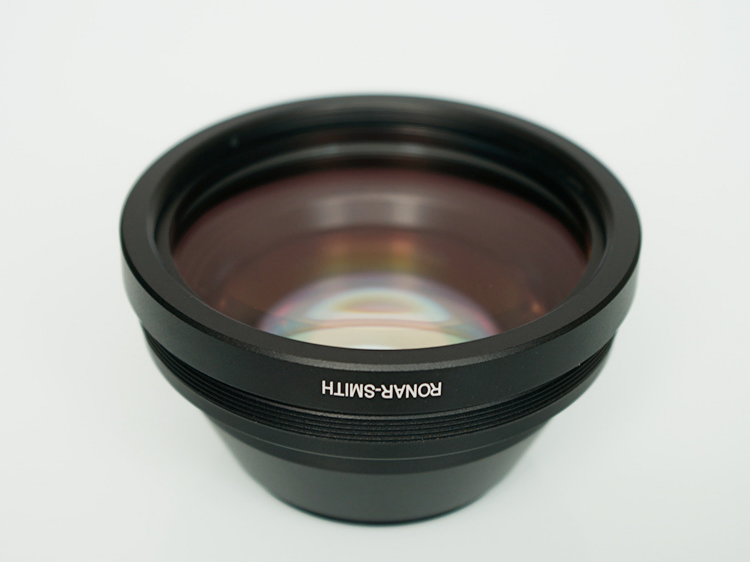
- Infrared imaging lenses
- Laser optical windows
- High-precision infrared sensor systems
2.2 Polycrystalline Silicon
Polycrystalline silicon consists of multiple crystal grains and is generally more cost-effective than single crystal silicon.
Characteristics:
- Lower production cost
- Higher mechanical strength in some cases
- Slightly lower optical uniformity
- Easier processing and fabrication
Applications:
- Industrial infrared observation windows
- Mid- and low-end thermal detection systems
- Non-imaging infrared optical components
2.3 Doped Silicon
Doped silicon is modified by introducing impurities such as phosphorus or boron to adjust its electrical and optical properties.
Characteristics:
- Adjustable conductivity
- Enhanced performance for specific optoelectronic applications
- Customized optical behavior for special systems
Applications:
- Infrared detector windows
- Optoelectronic coupling systems
- Specialized infrared sensing components
2.4 High-Purity Silicon
High-purity silicon is manufactured with extremely low impurity levels, making it suitable for demanding optical applications.
Characteristics:
- Extremely low optical absorption
- High transmission efficiency
- High manufacturing cost
- Strict processing requirements
Applications:
- Aerospace infrared imaging systems
- Military-grade thermal imaging equipment
- Advanced scientific and research instruments
3. Typical Applications of Silicon Infrared Lenses
Silicon optical materials are widely used across various industries due to their stability and mid-infrared transmission performance.
3.1 Infrared Thermal Imaging Systems
Used in MWIR thermal cameras for industrial monitoring, security surveillance, and temperature measurement.
3.2 Laser Windows and Protective Optics
Common in CO₂ laser systems and mid-infrared laser protection windows.
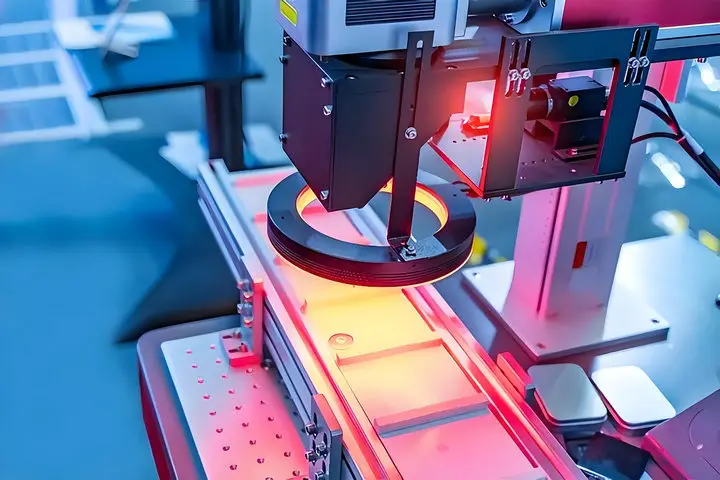
3.3 Industrial Inspection Equipment
Applied in high-temperature furnaces, metallurgical monitoring, and material analysis systems.
3.4 Aerospace and Defense Systems
Used in infrared guidance systems, missile detection windows, and space-based optical systems.
3.5 Scientific and Spectroscopy Instruments
Widely used in mid-infrared spectroscopy and laboratory optical systems.
Silicon (Si) is a highly important infrared optical material, especially in the mid-wave infrared range. Different types of silicon—monocrystalline, polycrystalline, doped, and high-purity—serve different levels of optical and industrial requirements.
From industrial inspection systems to aerospace-grade infrared imaging equipment, silicon continues to be a reliable and cost-effective solution for infrared lens applications.