Exploring the Benefits of Silicon Windows in High-Precision Optics
Silicon windows are rapidly becoming a cornerstone in high-precision optics, especially in industries requiring exceptional clarity and durability. Known for their robustness and excellent transmission properties, silicon windows play a crucial role in a variety of optical applications, ranging from infrared optics to laser systems. In this blog, we’ll explore the key benefits of silicon windows and their role in advancing modern optical technologies.
1. Exceptional Optical Transmission
Silicon, as a material, offers high transparency in the infrared spectrum, making it an ideal choice for optical windows in systems that operate at wavelengths beyond the visible range. This capability is particularly beneficial in applications such as infrared imaging and laser systems, where precise transmission of light is critical. Silicon windows allow for minimal distortion, ensuring that optical signals pass through without significant attenuation or scattering, thus maintaining system performance.
2. Durability and Resistance
One of the primary advantages of silicon windows is their durability. Silicon is a hard, stable material that can withstand harsh environmental conditions, including extreme temperatures and high-pressure environments. This makes silicon windows particularly suitable for use in industrial applications such as aerospace, defense, and semiconductor manufacturing, where reliability is paramount. Additionally, silicon’s resistance to thermal shock ensures that optical systems remain stable and unaffected by rapid temperature changes.
3. Versatility in Design
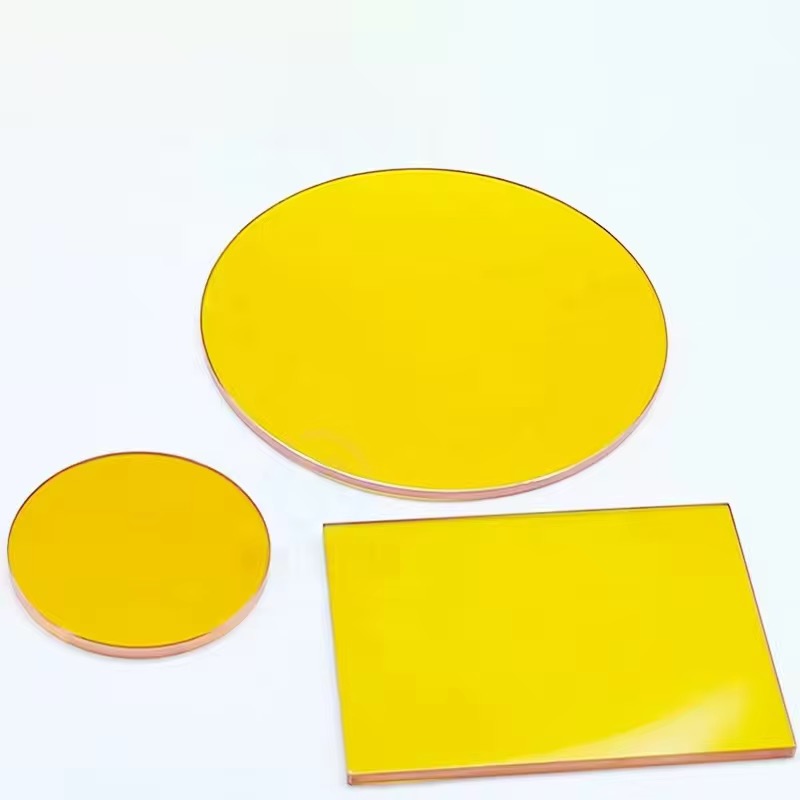
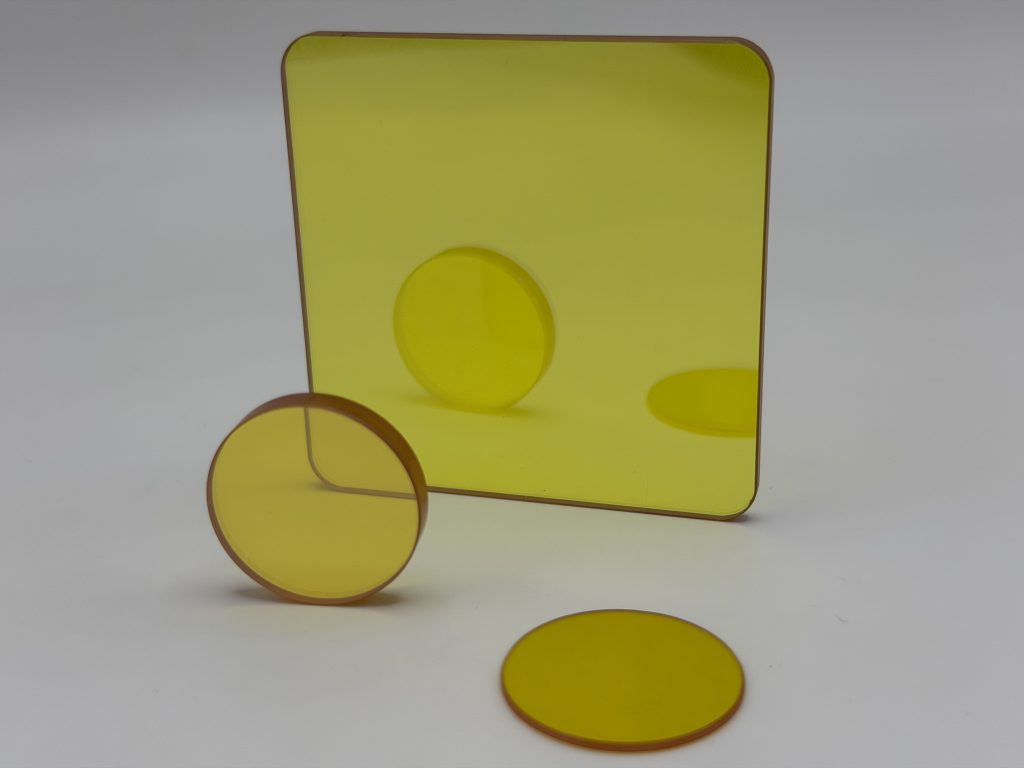
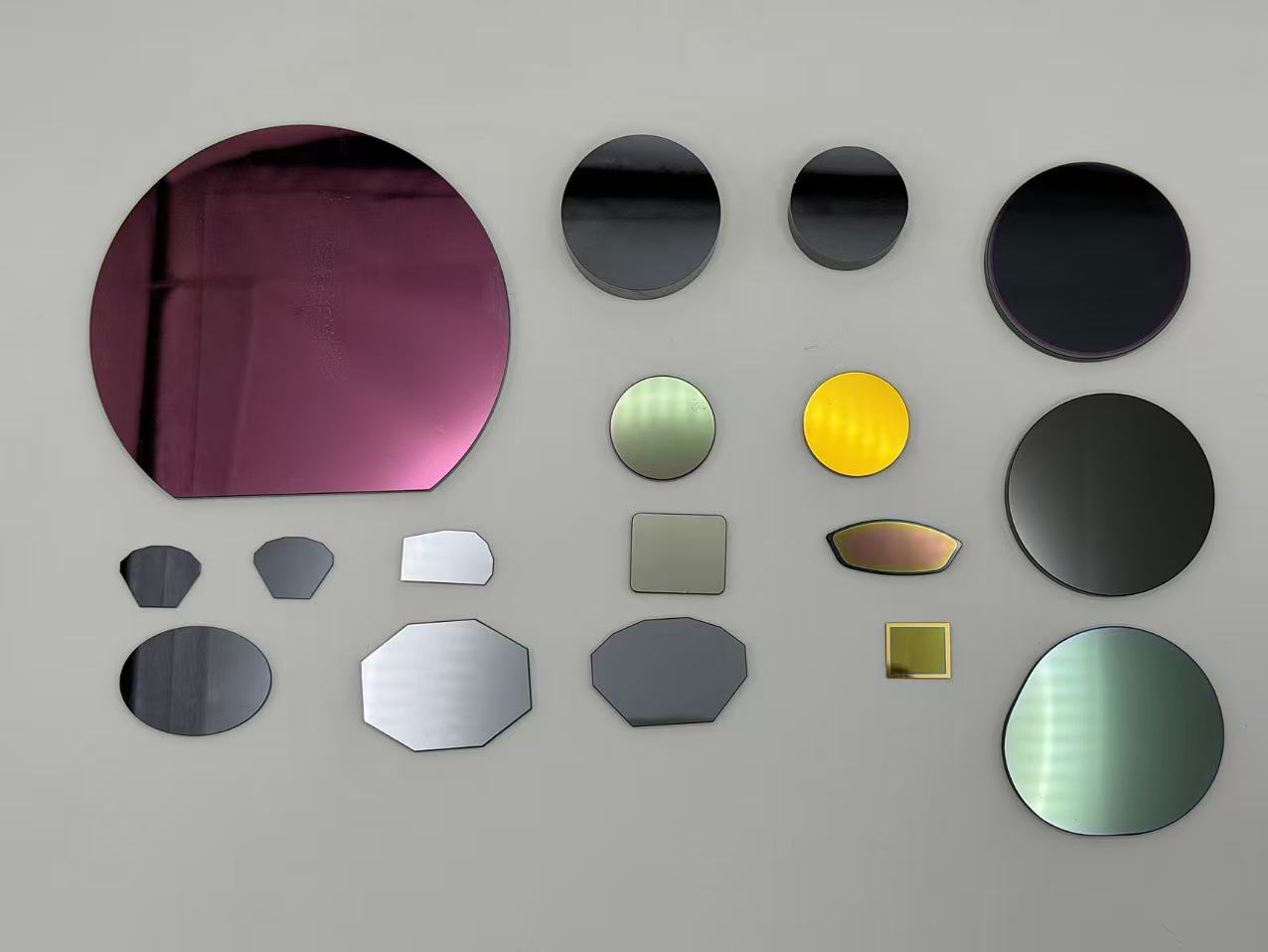
Silicon windows are available in a variety of shapes and sizes, making them highly adaptable to different optical systems. Whether it’s a simple flat window or a custom-designed component, silicon’s ease of fabrication allows for the production of precision windows tailored to specific needs. This versatility makes silicon windows a preferred choice in both research laboratories and commercial optical systems.
4. Cost-Effective Solution
While some advanced optical materials can be costly, silicon offers a relatively cost-effective solution without compromising on performance. Its availability and ease of manufacturing make it an economical choice for many high-precision optical applications. For companies and research institutions, silicon windows provide an affordable yet reliable option for enhancing optical system performance.
5. Wide Range of Applications
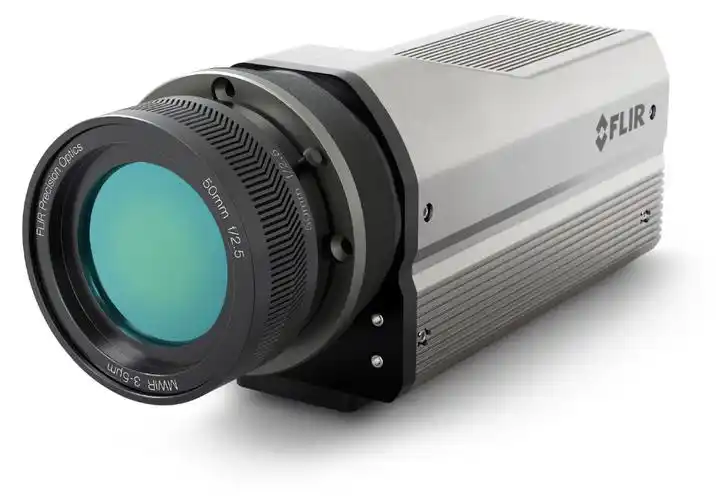
Silicon windows are used in a broad spectrum of applications, from optical and laser systems to medical devices and aerospace technologies. In optical systems, silicon windows act as protective barriers while ensuring the clarity of light transmission. In the field of infrared optics, they serve as critical components in sensors and imaging devices. Silicon’s unique properties also make it a valuable material in the development of quantum optics and fiber optics, further expanding its utility in cutting-edge technologies.
6. Enhanced Performance in Laser Systems
In laser applications, precision is crucial. Silicon windows provide a reliable medium for laser beams, enabling high-quality performance in systems ranging from laser cutters to high-powered optical communication devices. Their ability to transmit light with minimal interference ensures that laser systems maintain accuracy and efficiency.
Conclusion
As optical technologies continue to evolve, the importance of materials like silicon in creating high-precision optical components cannot be overstated. Silicon windows, with their excellent optical transmission, durability, versatility, and cost-effectiveness, are poised to play a key role in the next generation of optical systems. Whether you’re working in infrared optics, laser technology, or any other high-precision optical field, understanding the benefits of silicon windows will give you the insight needed to optimize your optical designs and achieve superior performance.
With its blend of practical advantages and cutting-edge applications, silicon continues to shape the future of optics, making it a material of choice for high-precision optical windows.