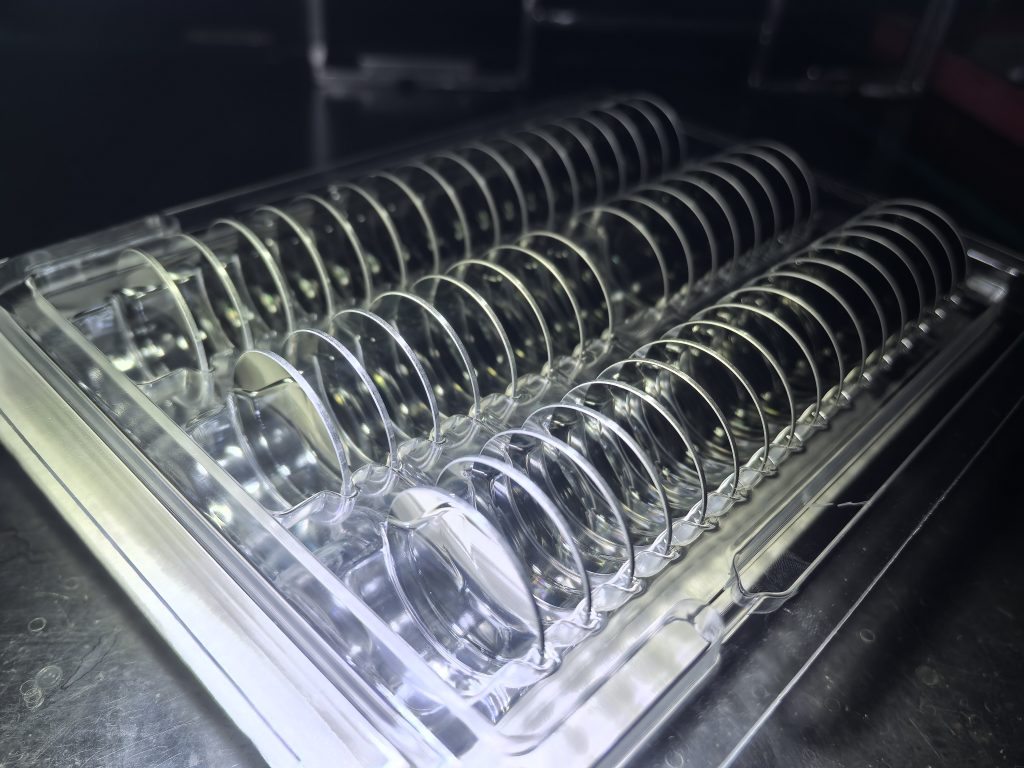
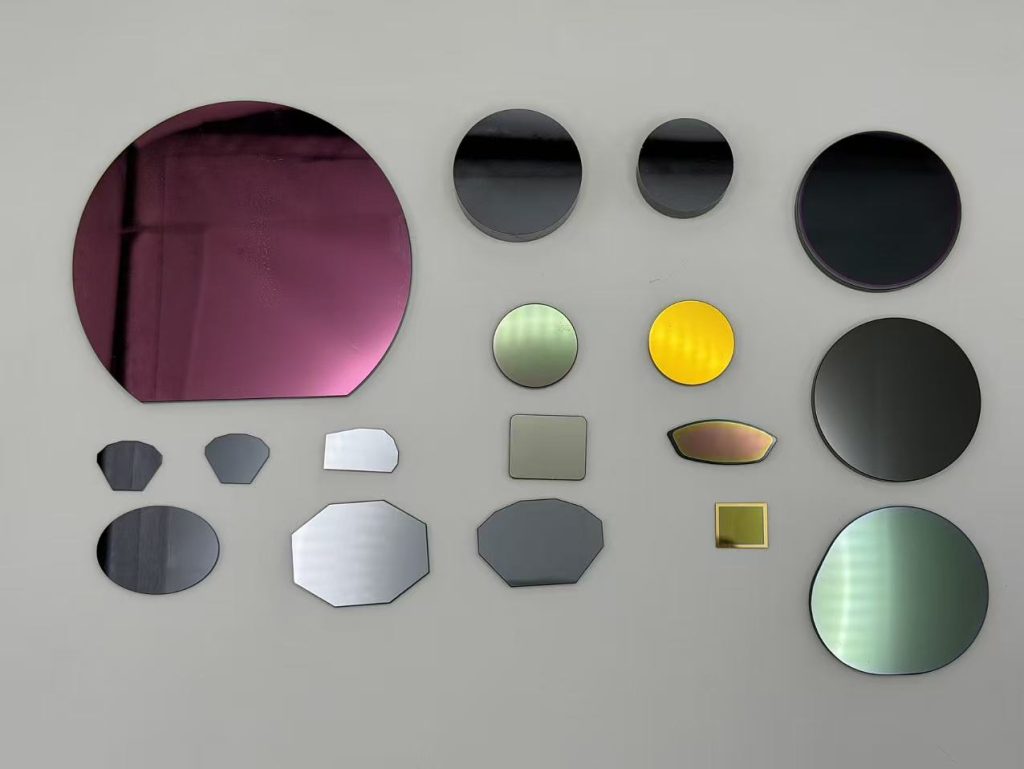
Applications of Spherical Lenses in Infrared Optics and Material Selection Guide
Spherical lenses play a fundamental role in infrared (IR) optical systems, where precision focusing, imaging quality, and material performance are critical. Compared with visible-light optics, infrared applications impose stricter requirements on transmission range, thermal stability, and material purity. Understanding how spherical lenses function in IR systems and how to choose the right materials is essential for engineers and optical designers.
1. What Are Spherical Lenses in Infrared Optics?
Spherical lenses are optical components with curved, symmetrical surfaces designed to converge or diverge light. In infrared systems, they are used to manipulate IR radiation typically ranging from 0.7 μm to 14 μm depending on the application (near, mid, or long-wave infrared).
Unlike visible-light lenses, IR spherical lenses must be made from materials that can efficiently transmit longer wavelengths without significant absorption or scattering.
2. Key Applications of Spherical Lenses in IR Systems
2.1 Thermal Imaging Systems
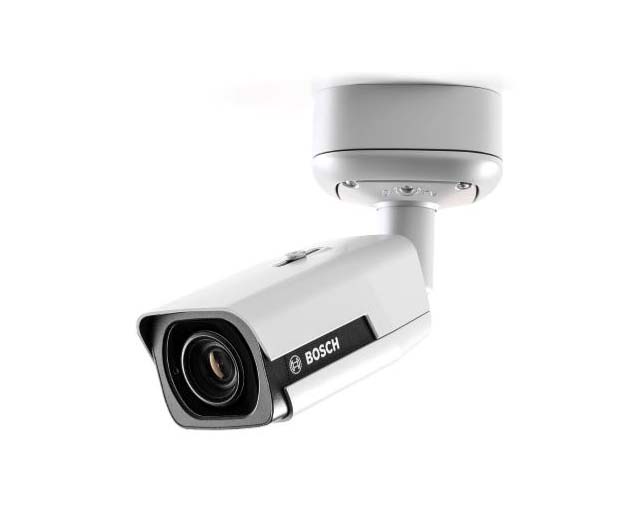
Spherical lenses are widely used in thermal cameras for security, surveillance, and industrial inspection. They help focus infrared radiation emitted by objects to create clear temperature-based images.
2.2 Military and Defense Optics
Infrared targeting systems, night vision devices, and missile guidance systems rely heavily on spherical lenses to achieve accurate long-distance detection and imaging.
2.3 Industrial Temperature Monitoring
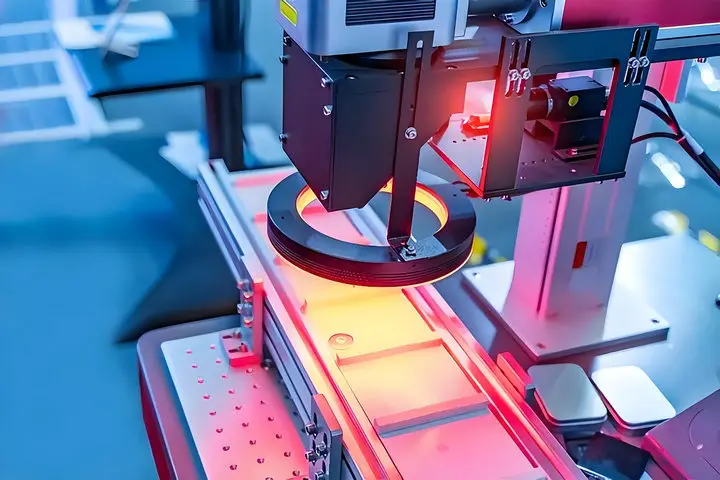
In high-temperature environments such as furnaces or steel production lines, IR spherical lenses are used in pyrometers and thermal sensors to monitor heat distribution without physical contact.
2.4 Scientific and Spectroscopic Instruments
Infrared spectroscopy systems use spherical lenses to focus or collimate IR beams for material analysis, gas detection, and chemical composition studies.
2.5 Medical and Biomedical Applications
IR imaging is increasingly used in non-invasive diagnostics, such as detecting blood flow or inflammation. Spherical lenses ensure precise focusing for high-resolution imaging.
3. Common Materials for Infrared Spherical Lenses
Selecting the right material is the most critical step in IR optical design. Different IR ranges require different substrates:
3.1 Germanium (Ge)
- Excellent transmission in mid-wave and long-wave IR
- High refractive index
- Common in thermal imaging systems
- Sensitive to temperature changes, requires coating
3.2 Silicon (Si)
- Good for near to mid-wave IR
- Lightweight and cost-effective
- Widely used in industrial and defense optics
- Limited transmission in long-wave IR
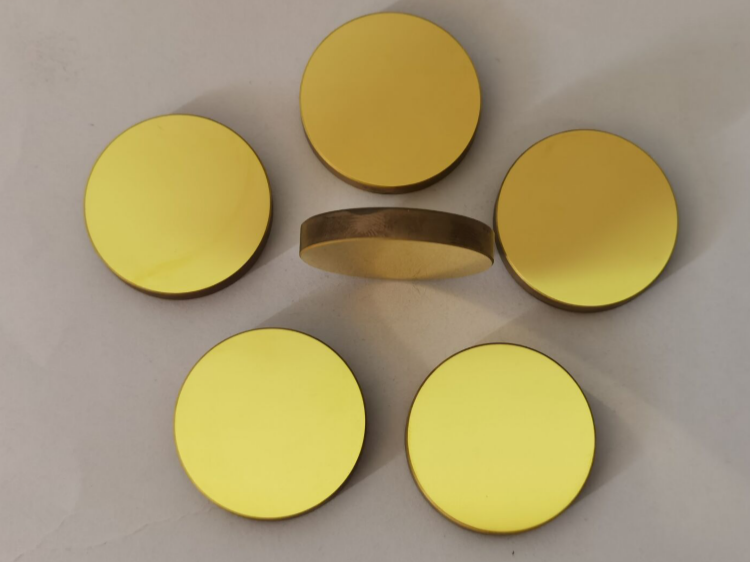
3.3 Zinc Selenide (ZnSe)
- Broad transmission range (visible to long-wave IR)
- Common in laser optics and CO₂ laser systems
- Soft material, requires careful handling
3.4 Calcium Fluoride (CaF₂)
- Excellent UV to IR transmission
- Low refractive index and low dispersion
- Ideal for high-precision optical systems
3.5 Chalcogenide Glass
- Customizable IR transmission properties
- Used in compact imaging systems and sensors
- Suitable for mass production of molded optics
4. Key Selection Factors for IR Spherical Lenses
When choosing spherical lenses for infrared applications, several factors must be considered:
4.1 Wavelength Range
Ensure the material supports the required IR band (NIR, MWIR, LWIR).
4.2 Transmission Efficiency
Higher transmission means better signal quality and lower energy loss.
4.3 Thermal Stability
IR systems often operate in high-temperature environments, so materials must resist thermal deformation.
4.4 Coating Requirements
Anti-reflective coatings are essential to improve transmission and reduce surface reflection losses.
4.5 Mechanical Strength
Durability is important for industrial and defense applications where lenses may face harsh conditions.
5. Challenges in Infrared Lens Design
Designing spherical lenses for IR systems comes with several challenges:
- Material cost (especially for Germanium and ZnSe)
- Sensitivity to temperature variations
- Surface coating complexity
- Balancing optical performance with manufacturing feasibility
Engineers often need to trade off between performance, cost, and durability depending on application requirements.
6. Conclusion
Spherical lenses are indispensable components in infrared optical systems, enabling precise imaging, sensing, and measurement across various industries. The choice of material—whether Germanium, Silicon, ZnSe, or others—directly impacts system performance.
A well-designed IR optical system depends not only on lens geometry but also on careful material selection and coating optimization. As infrared applications continue to expand in defense, industrial automation, and medical imaging, demand for high-performance spherical lenses will keep growing.