The Role and Advantages of Spherical Lenses in Laser Systems
Laser technology is widely used in manufacturing, medical devices, scientific research, communication systems, and consumer electronics. To achieve stable beam control and accurate performance, optical components play a critical role inside every laser setup. Among them, spherical lenses remain one of the most commonly used and cost-effective solutions.
From focusing a laser beam to expanding or collimating light, spherical lenses are essential in many optical systems. In this article, we will look at how spherical lenses in laser systems work, their main advantages, and why they continue to be a popular choice for engineers and equipment manufacturers.
What Are Spherical Lenses?
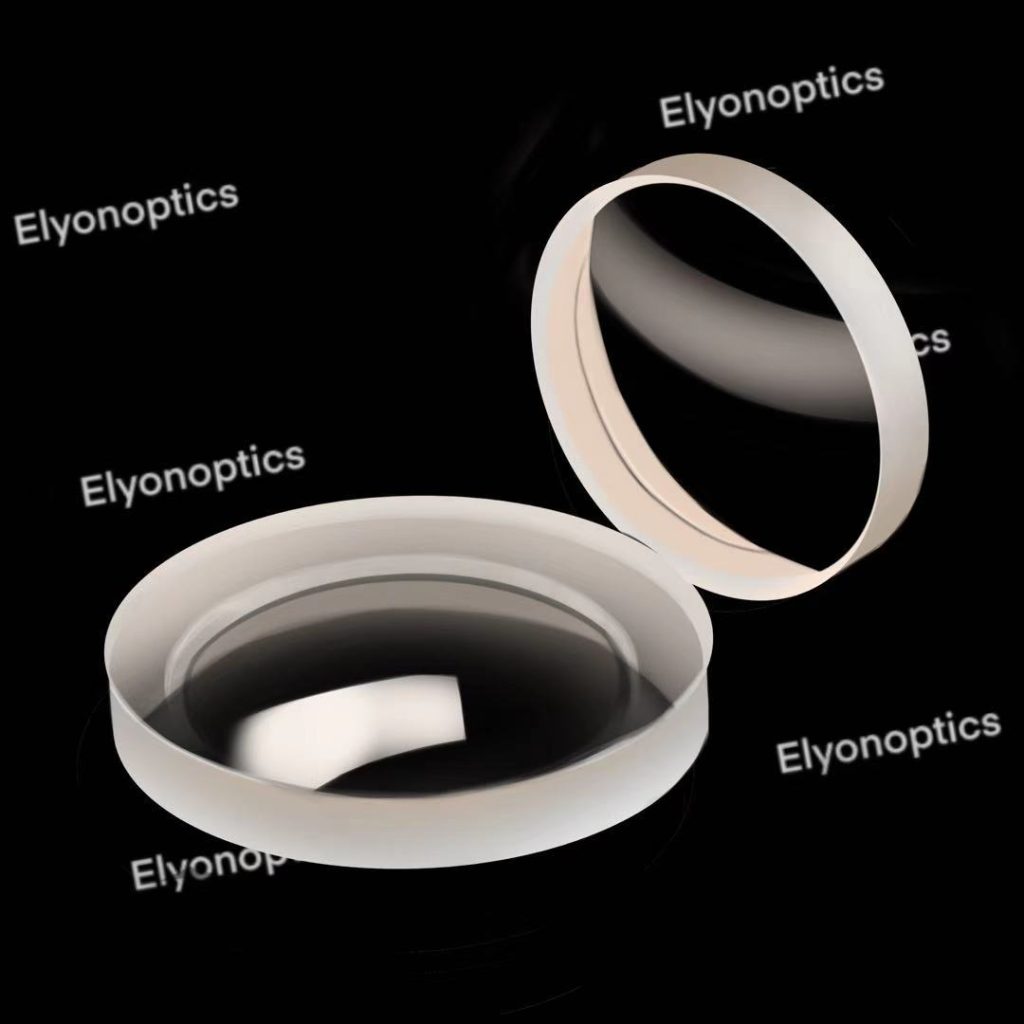
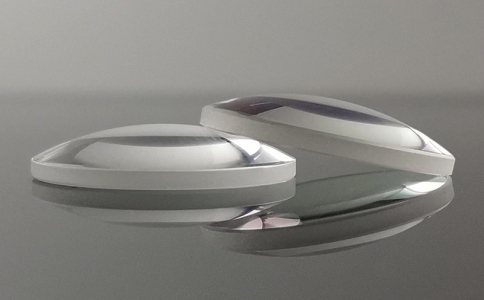
Spherical lenses are optical lenses with surfaces shaped as sections of a sphere. They are designed to refract light in a controlled way and are available in many forms, including:
- Plano-convex lenses
- Double-convex lenses
- Plano-concave lenses
- Double-concave lenses
- Meniscus lenses
Because of their simple geometry and reliable optical performance, spherical lenses are widely used in laser optics and imaging applications.
How Spherical Lenses Are Used in Laser Systems
1. Laser Beam Focusing
One of the most common uses of a spherical lens is to focus a laser beam into a small spot. This is important for:
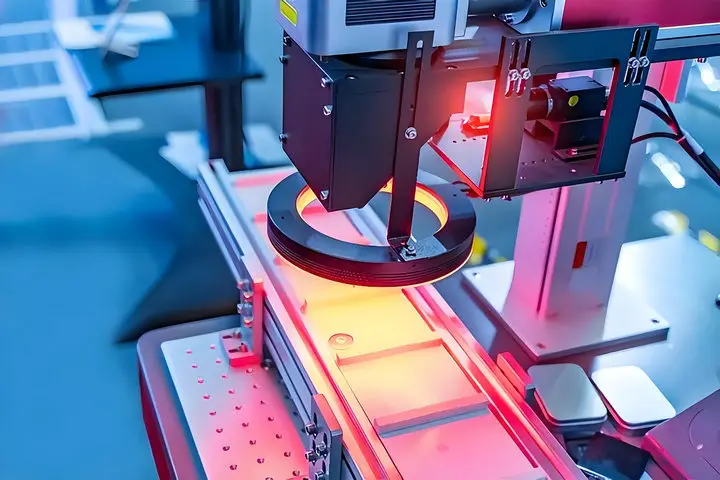
- Laser cutting
- Laser engraving
- Laser welding
- Medical laser treatment
- Semiconductor processing
A properly selected convex spherical lens can concentrate laser energy with high efficiency, improving processing precision and speed.
2. Beam Collimation
Laser diodes often emit diverging light. A spherical lens can collect and collimate the beam into a more parallel output. This helps improve beam direction and reduces energy loss over distance.
Collimation lenses are widely used in:
- Fiber optic communication
- Laser pointers
- Barcode scanners
- Measurement instruments
3. Beam Expansion and Shaping
In some laser systems, the beam size must be adjusted before use. By combining multiple spherical lenses, engineers can build beam expanders or shaping modules to match the required spot size or working distance.
4. Optical Signal Collection
Spherical lenses are also used to collect reflected or transmitted laser signals in sensing systems such as:
- LiDAR systems
- Distance measurement devices
- Industrial inspection equipment
- Medical diagnostic tools
Advantages of Spherical Lenses in Laser Systems
Cost-Effective Manufacturing
Compared with more complex optics such as aspherical lenses, spherical lenses are easier to manufacture in volume. This makes them an economical choice for many laser devices.
Wide Material Selection
Spherical lenses can be produced in different optical materials depending on wavelength and application, such as:
- BK7 glass
- Fused silica
- Sapphire
- Calcium fluoride
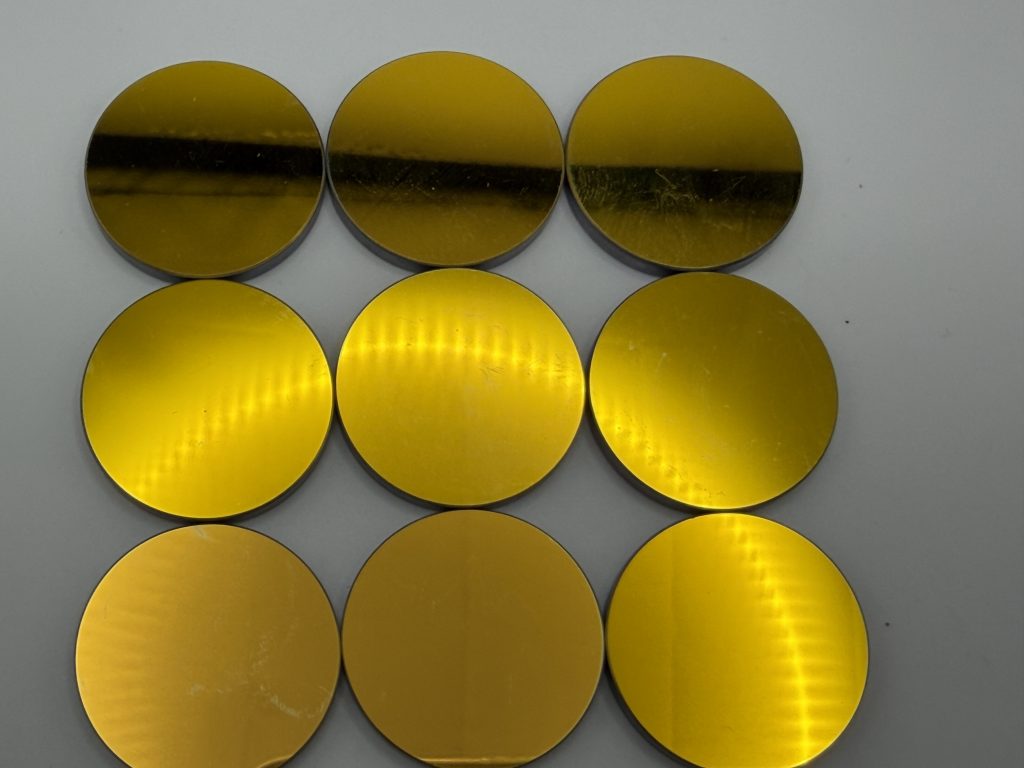
- ZnSe for CO2 lasers
This allows manufacturers to choose the right lens for UV, visible, infrared, or high-power laser systems.
High Precision and Stable Quality
Modern polishing and coating technology allows high-quality spherical lenses with tight tolerances, good surface accuracy, and strong repeatability.
Flexible Design Options
Available in many diameters, focal lengths, and coatings, spherical lenses can be customized for OEM laser equipment and special optical assemblies.
Choosing the Right Spherical Lens for Laser Applications
When selecting a spherical lens for a laser system, consider the following factors:
- Laser wavelength
- Power level
- Required focal length
- Beam diameter
- Coating type
- Material transmission range
- Working environment
For high-power lasers, thermal resistance and coating durability are especially important.
Spherical Lens vs Aspherical Lens in Laser Systems
While aspherical lenses can reduce spherical aberration and improve image quality, spherical lenses are still preferred in many laser systems due to their lower cost, faster production, and easier replacement.
For standard beam focusing and collimation tasks, spherical lenses often provide the right balance between performance and price.
Conclusion
Spherical lenses continue to play an important role in modern laser systems. Their ability to focus, collimate, expand, and collect laser beams makes them essential in industrial, medical, and scientific equipment.
With reliable performance, flexible design options, and competitive cost, spherical lenses remain a practical solution for many laser applications. If you are sourcing custom optical components, choosing the right spherical lens manufacturer can help improve both system efficiency and long-term reliability.