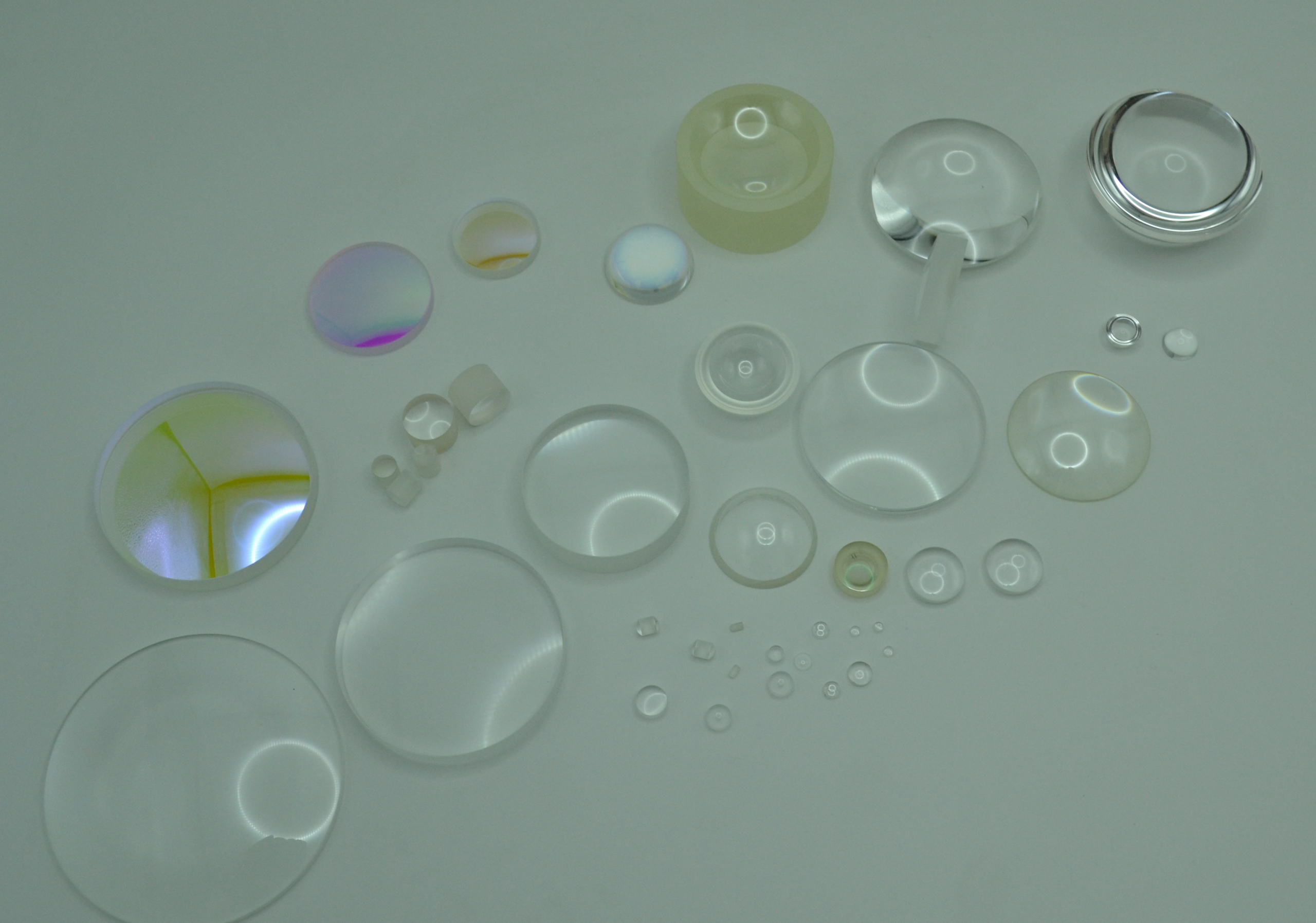
Manufacturing Process of High-Precision Spherical Lenses
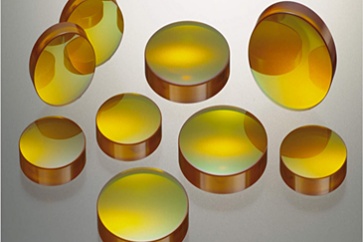
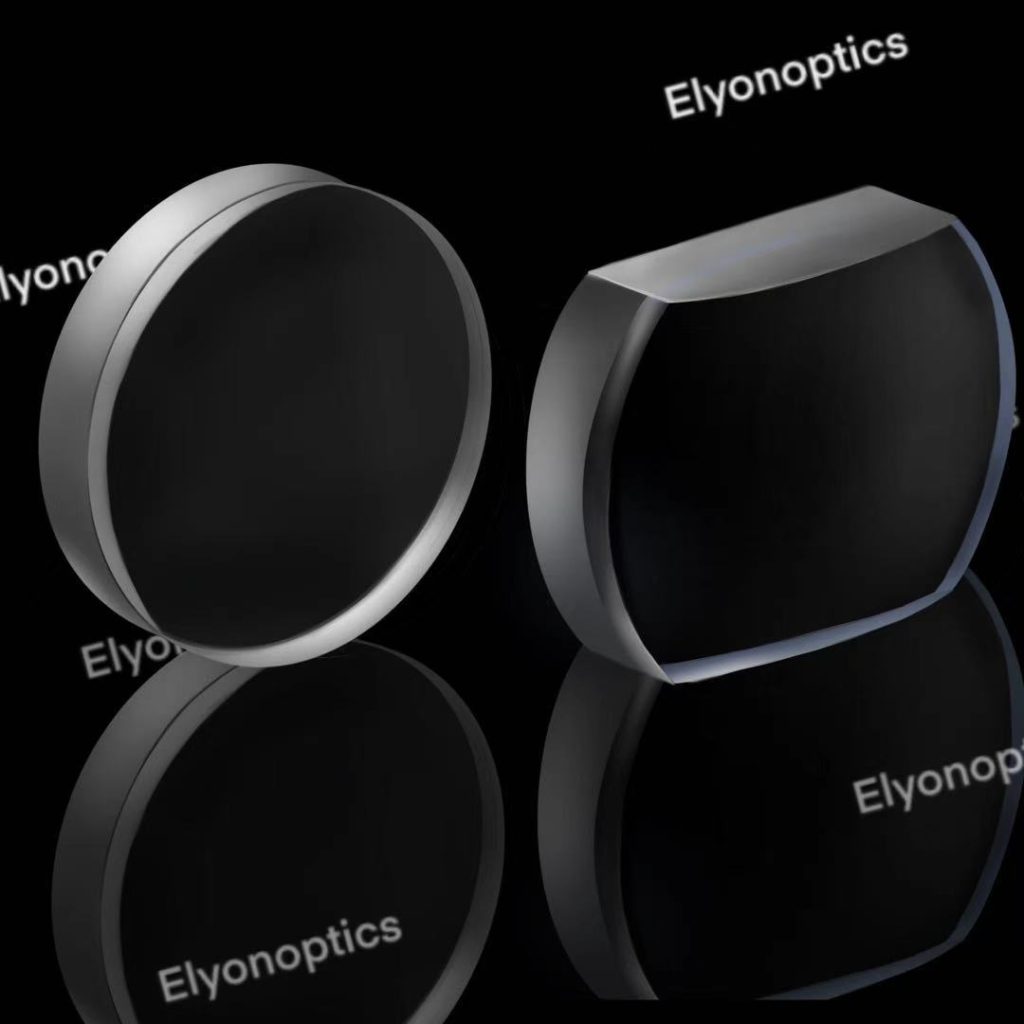
High-precision spherical lenses are critical components in various high-tech industries, ranging from scientific instruments to advanced optical devices. These lenses are designed to manipulate light with utmost accuracy, making them an essential part of modern optics. In this article, we will walk you through the detailed process of manufacturing high-precision spherical lenses, from selecting raw materials to producing the final product.
1. Raw Material Selection
The manufacturing of high-precision spherical lenses begins with the careful selection of raw materials. Optical glass, such as BK7 or Fused Silica, is often chosen for its excellent optical properties. The choice of material depends on the specific requirements of the lens, such as light transmission, refractive index, and durability. The raw material is typically in the form of optical blanks or pre-shaped discs, which are cut to the desired size.
2. Grinding and Shaping
Once the raw material is selected, the next step is the grinding and shaping process. During this stage, the optical blank is ground using specialized machines to achieve the desired curvature and size. The grinding process involves the use of fine abrasives that smooth the surface of the lens while also shaping it into a spherical form. This step is crucial as it sets the foundation for the lens’ optical properties.
3. Polishing for Precision
After the grinding process, the lens undergoes polishing to achieve the required surface smoothness. Polishing is done using softer abrasives and fine polishing compounds, ensuring that the lens surface is free from any imperfections or scratches. This step is vital for high-precision spherical lenses, as even the smallest imperfection can affect the optical performance of the lens.
4. Coating and Anti-Reflection Layers
To improve performance, most high-precision spherical lenses are coated with special thin layers. These coatings help to reduce light reflection, improve light transmission, and protect the lens surface from scratches and environmental damage. Anti-reflection coatings are commonly applied to ensure optimal performance in various lighting conditions.
5. Quality Control and Testing
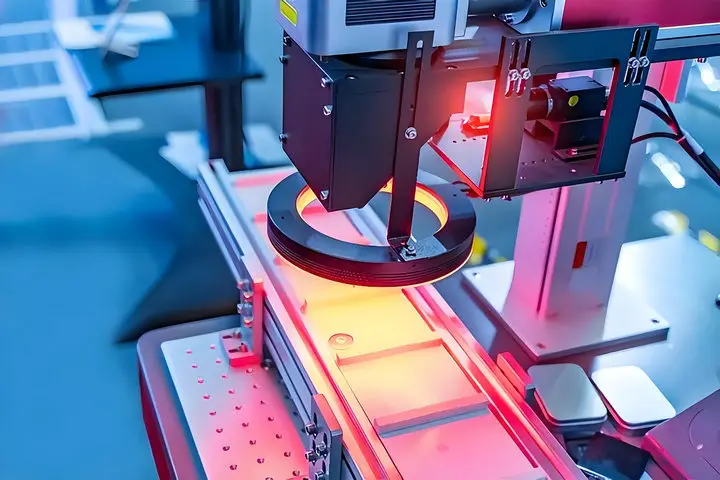
Once the lens has been polished and coated, it undergoes a rigorous quality control process. Each lens is tested for optical performance, including its focal length, clarity, and refractive index. Precision measurement instruments, such as interferometers, are used to ensure the lens meets the strict tolerances required for high-precision applications. Any defects or deviations from specifications are identified and corrected before proceeding to the final step.
6. Final Inspection and Packaging
The final step in the manufacturing process is the inspection of the lens to ensure it meets the required standards. Once the lens passes all quality checks, it is carefully packaged to prevent any damage during shipping. Custom packaging is often used for high-value lenses, ensuring they are protected from dust, scratches, and other contaminants.
Conclusion
The manufacturing of high-precision spherical lenses is a complex process that requires a combination of advanced technology, skilled craftsmanship, and strict quality control. By following these meticulous steps, manufacturers like ElyonOptics, a leading supplier of precision optical components, ensure that every lens produced meets the highest standards of optical performance. Whether used in scientific research, medical devices, or advanced imaging systems, these lenses play a crucial role in the development of cutting-edge technology.
At ElyonOptics, we specialize in the design and manufacturing of high-precision spherical lenses, offering tailored solutions to meet the specific needs of various industries. Contact us today to learn more about our optical components and how we can help you with your next project.