IR Windows for Infrared Cameras
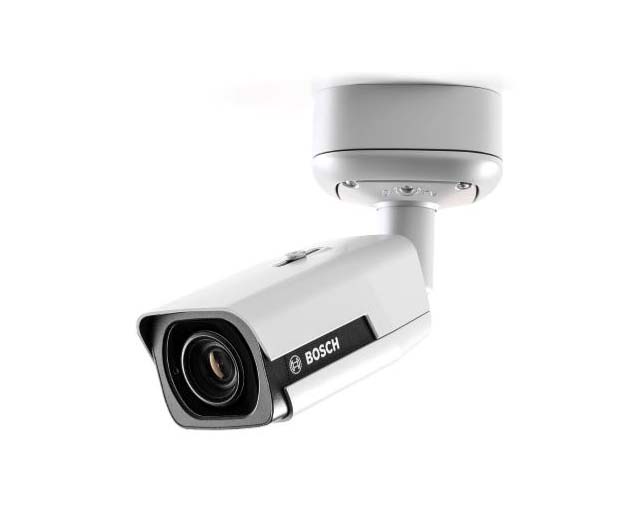
Infrared cameras rely on carefully controlled optical paths to capture radiation outside the visible spectrum. In many camera designs, an optical window is positioned at the front of the system, separating the external environment from the internal lens assembly and detector.
This component may appear simple, but an IR window can influence the amount of radiation reaching the detector, image quality, environmental protection, and the long-term reliability of the camera. Material transmission, wavelength range, surface reflection, coating performance, thickness, and optical tolerances all need to be considered as part of the camera design.
For thermal imaging and other infrared imaging systems, the window is therefore not simply a protective cover. It is an active part of the optical path.
IR Windows in Infrared Camera Systems
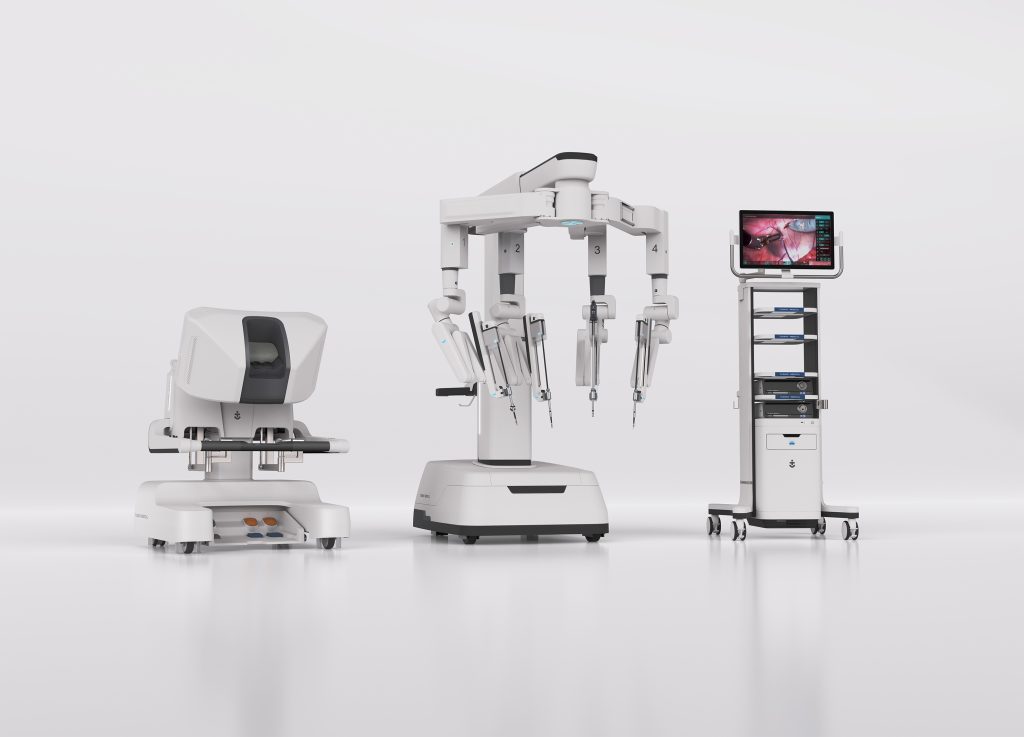
A typical infrared camera can be represented by a simple optical path:
Target → IR Window → Infrared Lens → Detector
The incoming infrared radiation first passes through the window before reaching the imaging optics and detector. The window is generally a flat optical component with little or no optical power, while the lens assembly provides the focusing and imaging function.
Because the window sits directly in front of the optical system, its transmission and reflection characteristics can affect the available signal at the detector.
For this reason, the window material should be matched to the camera’s spectral operating range rather than selected only according to mechanical dimensions or appearance.
Spectral Bands Define the Material Requirements
Infrared cameras operate across different wavelength regions, and the window material needs to provide sufficient transmission within the relevant band.
Two important regions for thermal imaging are MWIR (Mid-Wave Infrared) and LWIR (Long-Wave Infrared).
MWIR systems commonly operate around the 3–5 μm region, while LWIR thermal imaging systems frequently operate around 8–12 μm. The exact spectral range varies according to the detector, optical design, and application.
This difference has a direct impact on material selection.
A material that performs well in one infrared band may not be the most suitable choice for another. The transmission curve of the complete window, including any coating, should therefore be evaluated against the detector’s spectral response.
Germanium for LWIR Thermal Imaging
Germanium is one of the most established materials for infrared imaging optics, particularly in the long-wave infrared range.
Its useful transmission characteristics make it a common choice for thermal imaging cameras operating in the 8–12 μm band. Germanium can be manufactured into both lenses and flat optical windows, allowing it to be used at different positions within an infrared imaging system.
For an IR camera window, important considerations include:
- Infrared transmission
- High refractive index
- Anti-reflection coating
- Surface quality
- Flatness
- Mechanical dimensions
The high refractive index of germanium means that uncoated surfaces can produce significant reflection. An appropriate AR coating is therefore commonly used to improve transmission.
Silicon for Infrared Camera Windows
Silicon is another important infrared optical material, particularly for systems operating within its suitable transmission range.
Compared with germanium, silicon offers a different combination of density, mechanical properties, refractive index, and infrared transmission. These characteristics can make it attractive for applications where the optical window must also meet specific mechanical or weight requirements.
Silicon IR windows can be used in infrared cameras, sensors, detectors, and industrial optical systems where its transmission range matches the detector and optical configuration.
Material selection should ultimately be based on the required wavelength range and the overall system requirements rather than treating silicon and germanium as interchangeable materials.
ZnSe and ZnS for Infrared Imaging Applications
Zinc selenide (ZnSe) and zinc sulfide (ZnS) are also used in infrared optical systems.
ZnSe provides broad infrared transmission and is commonly encountered in infrared optics, spectroscopy, and laser systems. It can also be considered for selected imaging and sensing applications where its optical characteristics match the system requirements.
ZnS offers another combination of infrared transmission and mechanical performance. Depending on the grade and application, it may be suitable for demanding infrared imaging systems where environmental durability is important.
The choice between ZnSe, ZnS, germanium, silicon, and other materials depends on the camera’s wavelength band, environmental conditions, optical design, and mechanical requirements.
Transmission Matters More Than Material Name
For an infrared camera, simply specifying a material is not enough.
The actual optical performance depends on the material quality, thickness, surface reflection, coating design, and wavelength range.
For example, a germanium window intended for an LWIR thermal camera should be evaluated over the camera’s actual operating band rather than using a single transmission value.
Important factors include:
- Spectral transmission
- Surface reflection
- Material absorption
- Window thickness
- Coating performance
- Angle of incidence
These factors determine how much infrared radiation ultimately reaches the detector.
A small transmission loss may also become more important in systems designed for low-signal detection or long-distance imaging.
AR Coatings for IR Camera Windows
Surface reflection is a significant consideration in infrared optical windows.
Many IR materials have relatively high refractive indices. When infrared radiation reaches the boundary between air and the optical material, part of the radiation is reflected rather than transmitted.
An anti-reflection coating can reduce this loss.
The coating should be designed according to the intended wavelength band. For example, an IR window designed for an LWIR thermal camera may require a coating optimized around the 8–12 μm region, while an MWIR system requires a different spectral design.
Coating selection can also depend on:
- Angle of incidence
- Environmental exposure
- Operating temperature
- Required transmission
- Broadband or narrowband operation
For OEM applications, coating durability should be considered together with the expected service environment.
IR Windows for Outdoor and Industrial Cameras
An infrared camera used in a laboratory may operate under relatively controlled conditions. Industrial and outdoor cameras face a much wider range of environmental challenges.
An IR window may be exposed to:
- Dust and particulate contamination
- Rain and moisture
- Temperature cycling
- Vibration
- Mechanical impact
- Abrasion
- Chemical exposure
In these applications, the window needs to balance optical transmission with mechanical and environmental performance.
For example, a thermal camera installed near industrial equipment may require a window with suitable coating durability and mechanical protection, while a portable thermal imaging camera may place greater emphasis on weight and compact dimensions.
The appropriate material and coating should therefore be selected according to the actual installation environment.
Custom IR Windows for OEM Infrared Cameras
Standard optical windows are not always suitable for OEM infrared camera designs.
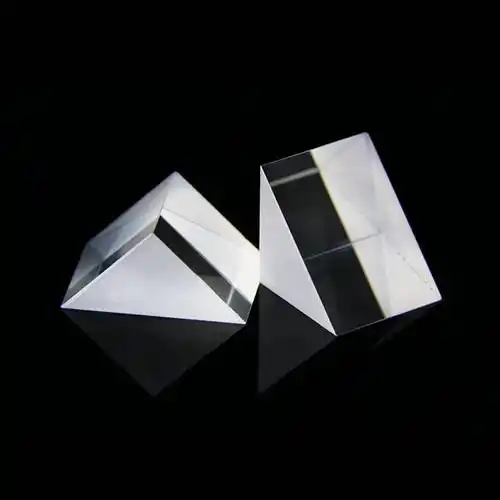
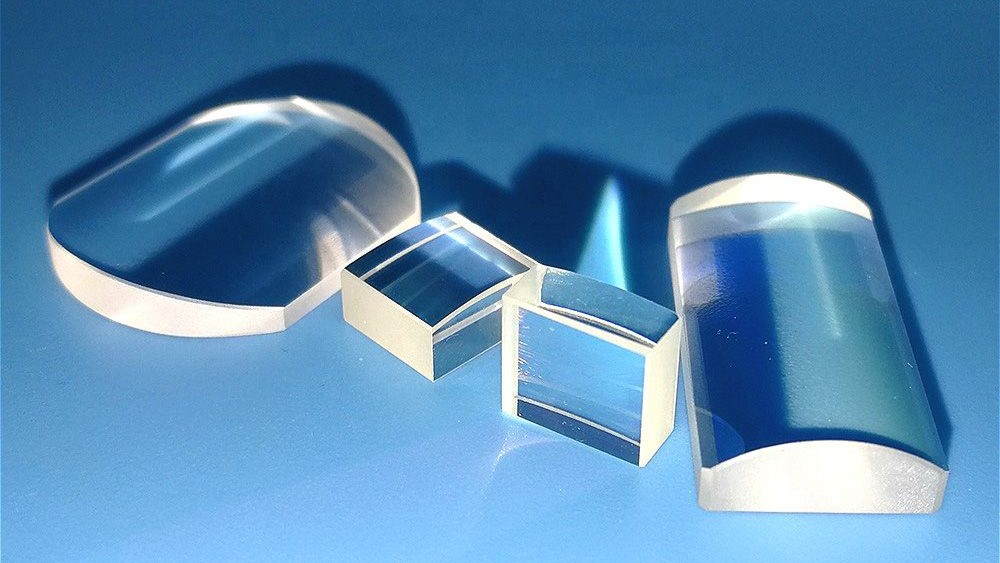
Camera housings, lens assemblies, and detector packages often require specific dimensions or mounting configurations. Custom IR windows can be manufactured to match the optical and mechanical architecture of the system.
Common custom requirements include:
- Diameter or length and width
- Thickness
- Circular or rectangular geometry
- Clear aperture
- Surface quality
- Surface flatness
- Parallelism
- Chamfers
- Anti-reflection coating
- Mounting requirements
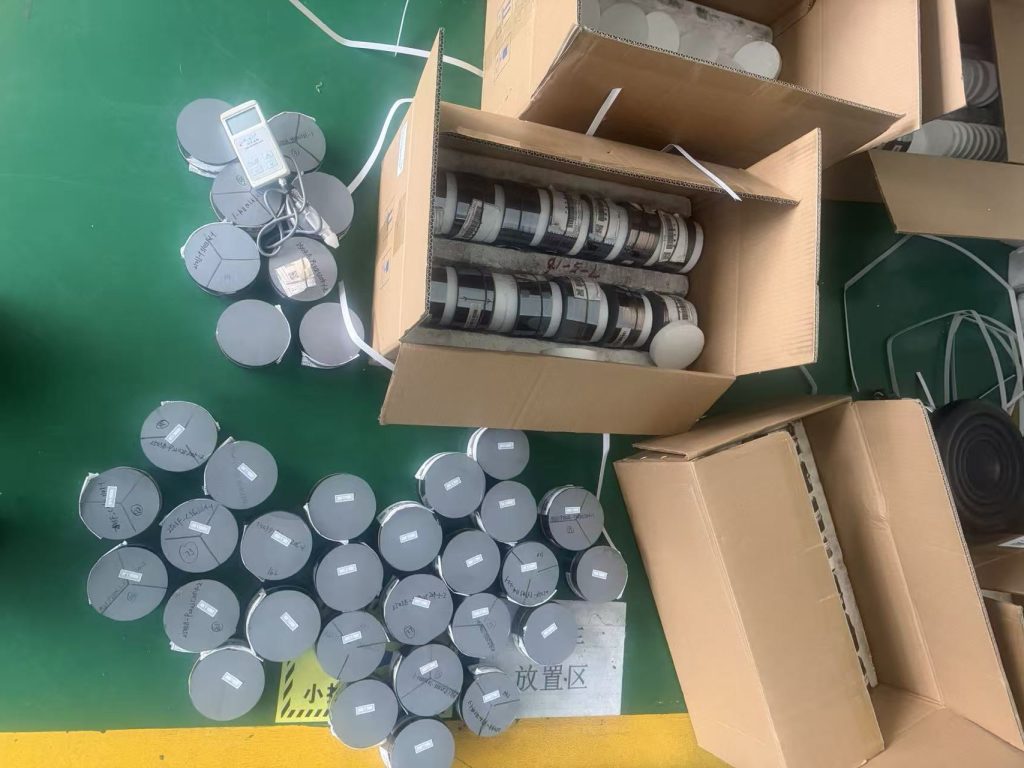
For production applications, dimensional consistency and coating repeatability are also important, particularly when the same optical window will be integrated into a large number of camera assemblies.
Selecting an IR Window for a Thermal Camera
A practical selection process can begin with the camera’s detector and operating wavelength.
For example:
8–12 μm LWIR Thermal Camera
→ Determine required spectral transmission
→ Compare suitable materials such as germanium or other compatible IR materials
→ Evaluate AR coating performance
→ Define window diameter and thickness
→ Specify surface quality and flatness
→ Check environmental and mechanical requirements
→ Confirm compatibility with the camera housing
This approach connects the window specification to the actual imaging system rather than treating the window as an independent component.
If the material has not yet been selected, providing the wavelength range, camera type, dimensions, and application environment to an optical manufacturer can help narrow down the appropriate material options.
IR Windows from ElyonOptics
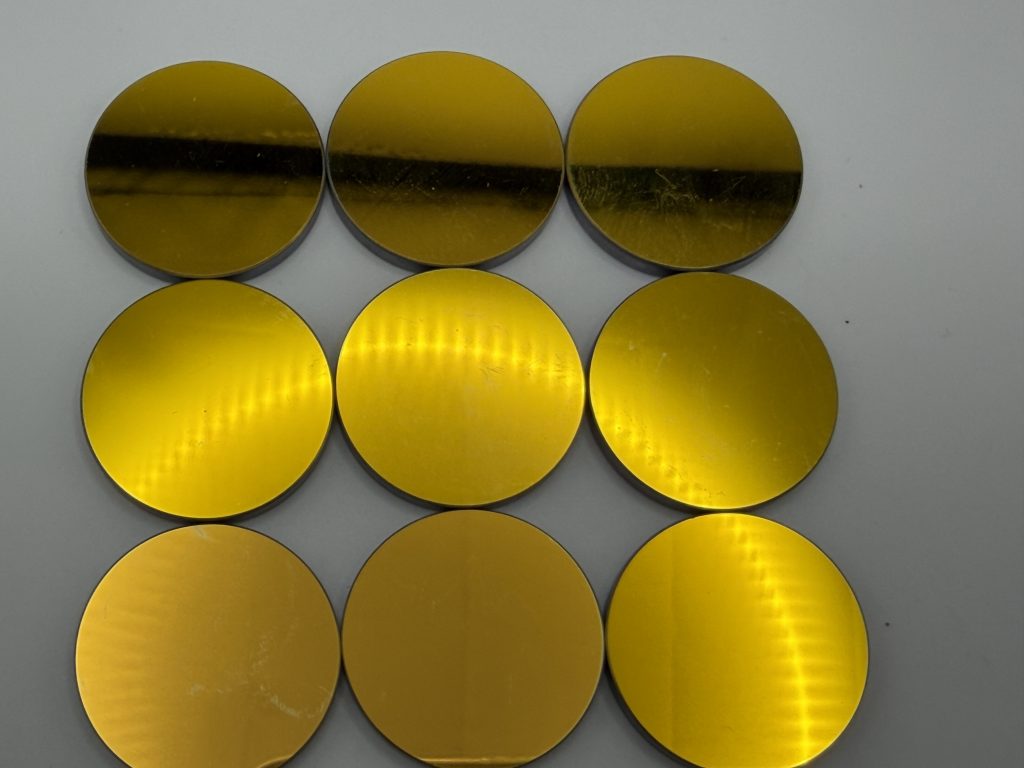
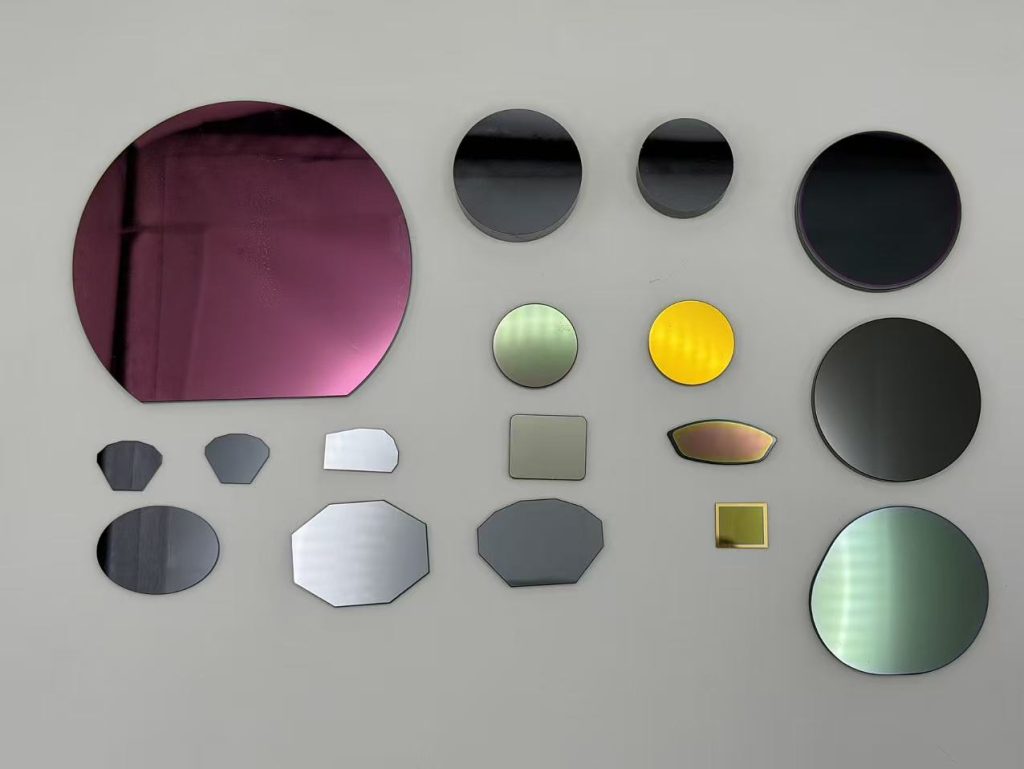
ElyonOptics supplies custom IR windows for infrared cameras, thermal imaging systems, IR sensors, and industrial imaging equipment.
Available materials include Germanium (Ge), Silicon (Si), ZnSe, ZnS, Sapphire, and other infrared optical materials, depending on the required spectral range and application.
Custom dimensions, optical tolerances, surface specifications, and anti-reflection coatings can be produced according to OEM requirements.
For an IR window quotation, customers can provide the wavelength range, material preference, dimensions, quantity, and application. If the material has not yet been determined, ElyonOptics can evaluate suitable options based on the camera’s optical and environmental requirements.