Optical Prism Manufacturing Process and Quality Control
When sourcing an optical prism, most buyers focus on specifications like angle, material, or coating. However, in real industrial applications, the real difference in performance often comes from one key factor—manufacturing process and quality control.
Understanding how an optical prism is made helps you choose a more reliable optical prism supplier and avoid costly optical performance issues later in your system.
As a professional optical components manufacturer, Elyonoptics specializes in high-precision optical prism production for industrial, scientific, and laser applications.
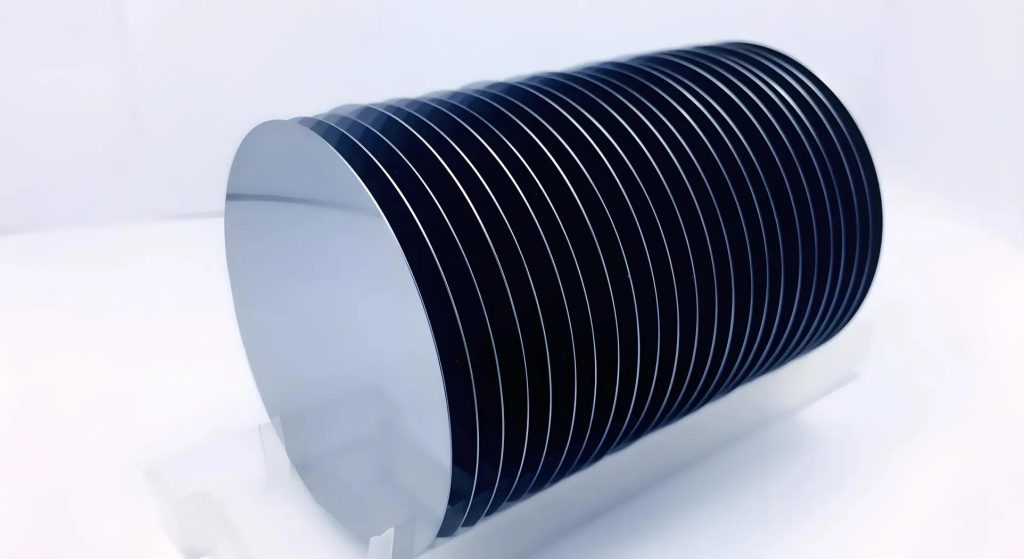
1. Raw Material Selection: The Foundation of Optical Quality
The performance of an optical prism starts with the glass material.
Common materials include:
- BK7 optical glass → general visible light applications
- Fused silica → high laser damage resistance
- UV-grade glass → ultraviolet systems
- Infrared materials → thermal imaging and IR optics
Even small impurities or bubbles inside the material can affect:
- Light transmission efficiency
- Beam distortion
- Long-term stability
That’s why professional manufacturers strictly control raw material sourcing.
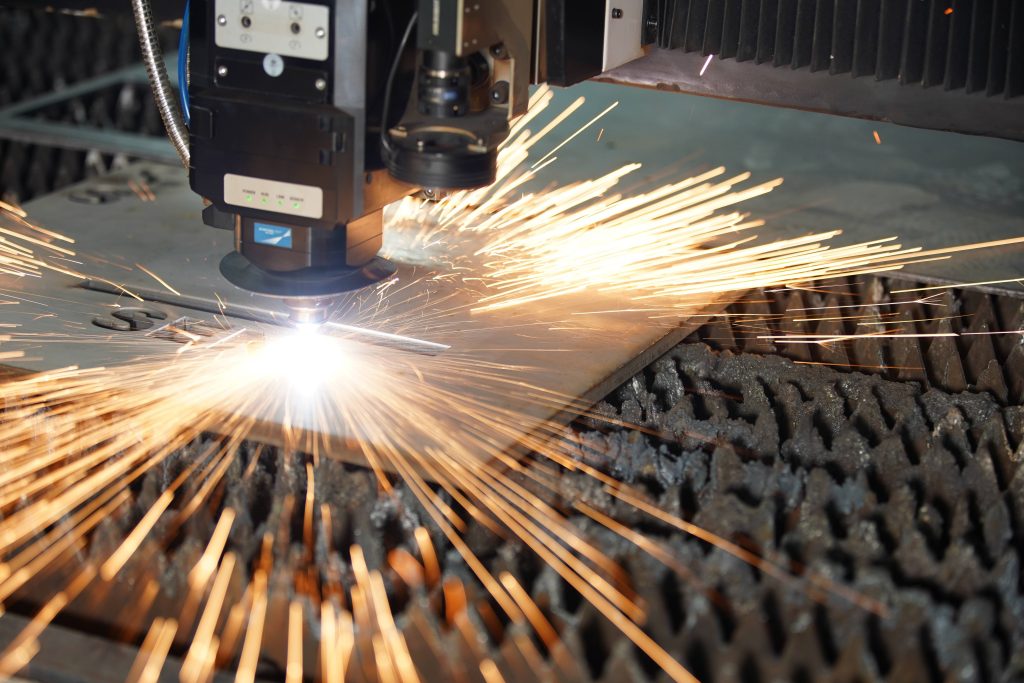
2. Cutting and Shaping: Defining the Prism Geometry
After material selection, the glass is cut into rough shapes according to design requirements.
This stage determines:
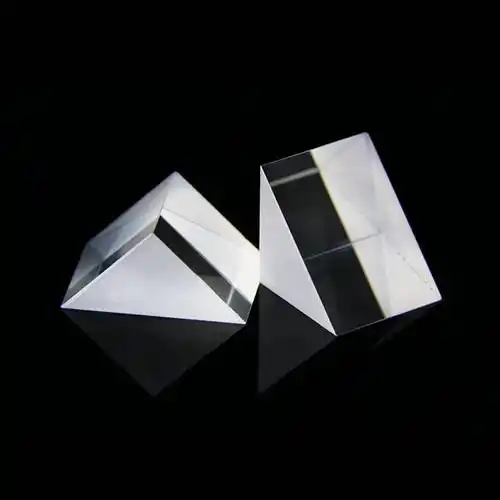
- Basic prism geometry (right angle, penta, roof, etc.)
- Size tolerance allowance
- Material utilization efficiency
Precision at this stage reduces later polishing difficulty and improves final accuracy.
3. Precision Grinding: Achieving Optical Flatness
Grinding is where the optical prism begins to take its final optical form.
Key objectives:
- Achieve correct prism angles (critical for beam deviation accuracy)
- Remove surface irregularities
- Prepare for polishing stage
High-end optical systems require angular accuracy within arcminutes or even arcseconds.
4. Polishing: The Most Critical Step in Optical Prism Production
Polishing directly affects optical performance.
A high-quality optical prism must achieve:
- Ultra-smooth surface finish
- Minimal surface scattering
- High transmission efficiency
Poor polishing leads to:
- Light loss
- Ghost imaging
- Beam distortion
This is one of the key differences between low-cost suppliers and professional optical prism suppliers.
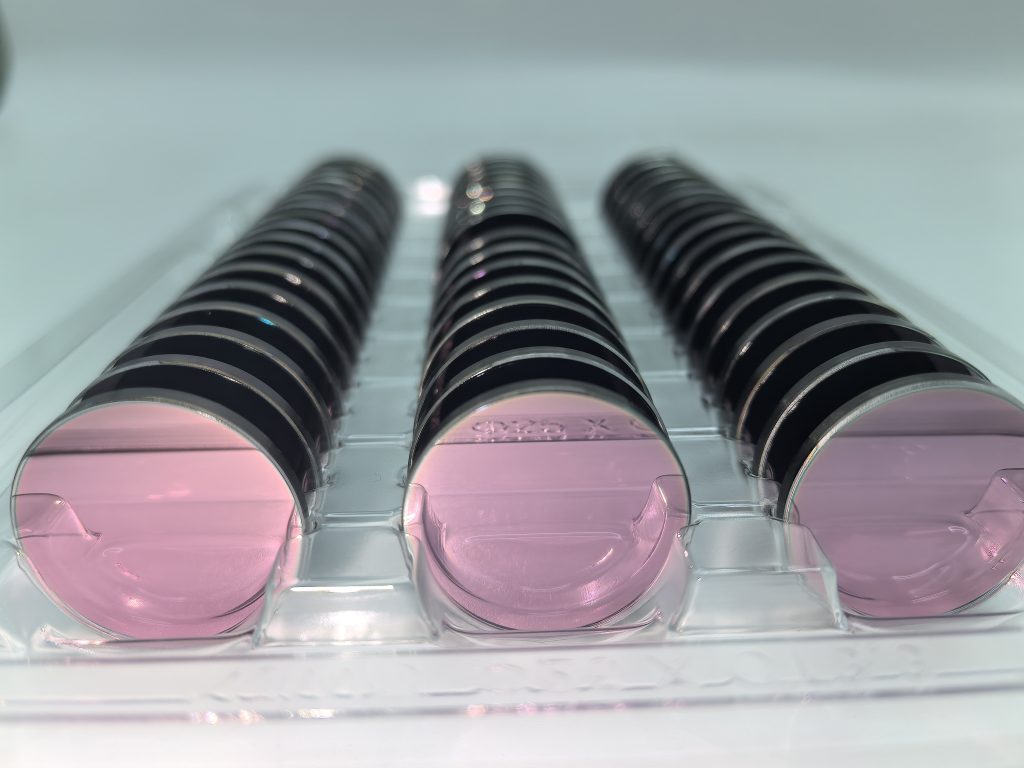
5. Coating Process: Enhancing Optical Performance
Depending on application requirements, optical prisms may require coatings such as:
✔ Anti-Reflection (AR) Coating
- Reduces surface reflection loss
- Improves transmission efficiency
✔ High Reflective Coating
- Used in beam steering systems
- Enhances internal reflection performance
✔ Broadband Coating
- Works across multiple wavelengths
- Common in scientific instruments
Coating quality directly affects system stability and optical efficiency.
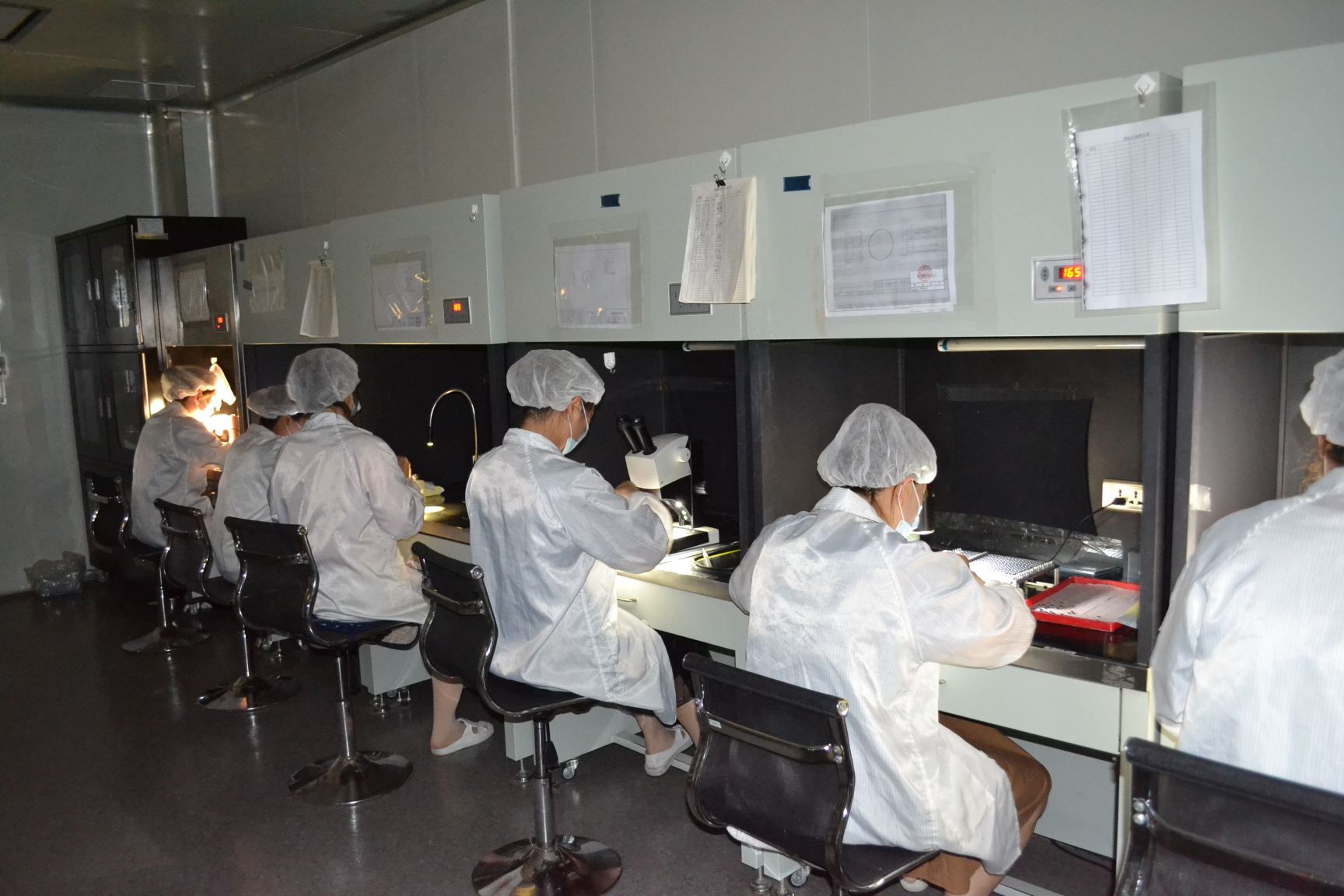
6. Optical Inspection and Quality Control
Before shipment, every optical prism must undergo strict testing:
Surface Quality Inspection
- Scratch and dig evaluation
- Microscopic defect detection
Angle Accuracy Testing
- Ensures beam deviation precision
Transmission Testing
- Measures optical loss rate
Interferometry Testing
- Checks wavefront distortion
Without proper QC, even well-designed prisms can fail in real applications.
7. Common Problems Caused by Low-Quality Optical Prism
Many buyers only discover issues after installation. Common problems include:
- Beam misalignment
- Uneven light distribution
- Reduced system efficiency
- Thermal instability under laser exposure
These issues are often caused by:
- Poor polishing quality
- Incorrect coating application
- Low-grade raw materials
- Inaccurate angle machining
This is why selecting a professional optical prism supplier is critical.
8. How to Choose a Reliable Optical Prism Supplier
When evaluating suppliers, consider the following:
✔ Manufacturing Capability
Do they control the full production process (cutting → polishing → coating)?
✔ Customization Ability
Can they produce:
- Non-standard angles
- Special coatings
- Custom optical designs
✔ Quality Control System
Do they provide:
- Interferometry reports
- Transmission data
- Surface quality inspection results
✔ Industrial Experience
Suppliers with experience in laser and precision optics are more reliable.
9. Elyonoptics: Precision Manufacturing for Optical Prism Solutions
As a professional optics manufacturer, Elyonoptics provides high-precision optical prism solutions for global customers.
Their manufacturing system covers:
- Precision cutting and grinding
- High-end polishing technology
- Advanced coating capabilities
- Strict multi-stage quality inspection
Elyonoptics supports both standard and customized optical prism production, making it a reliable choice for companies seeking a stable optical prism supplier for industrial and scientific applications.
Conclusion
The performance of an optical prism is not determined by design alone—it is deeply influenced by manufacturing precision and quality control.
Understanding the full production process helps buyers:
- Avoid low-quality suppliers
- Improve system stability
- Reduce optical failure risk
Choosing a professional optical prism supplier like Elyonoptics ensures higher consistency, better optical performance, and long-term reliability in demanding applications.