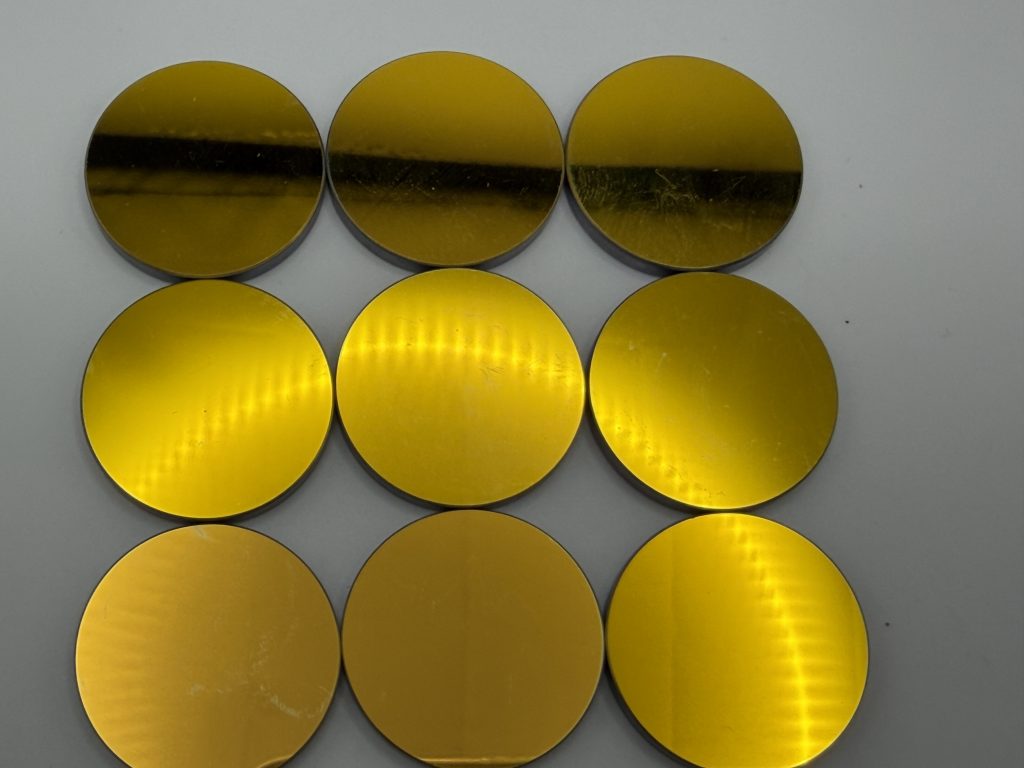
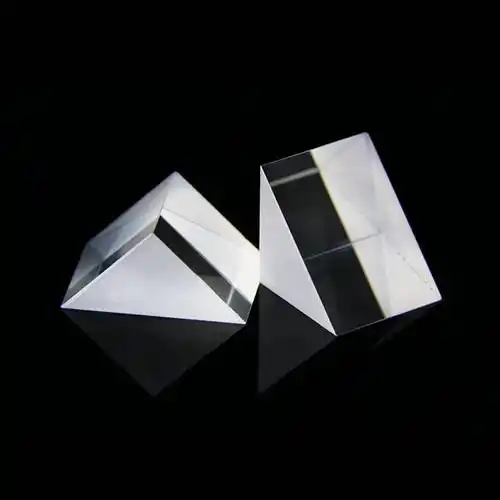
What Are Optical Windows? Functions and Applications of Optical Windows Explained
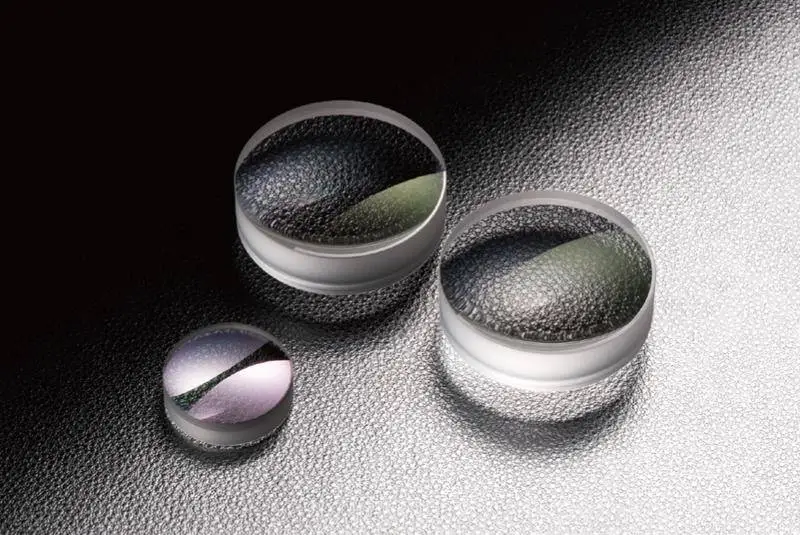
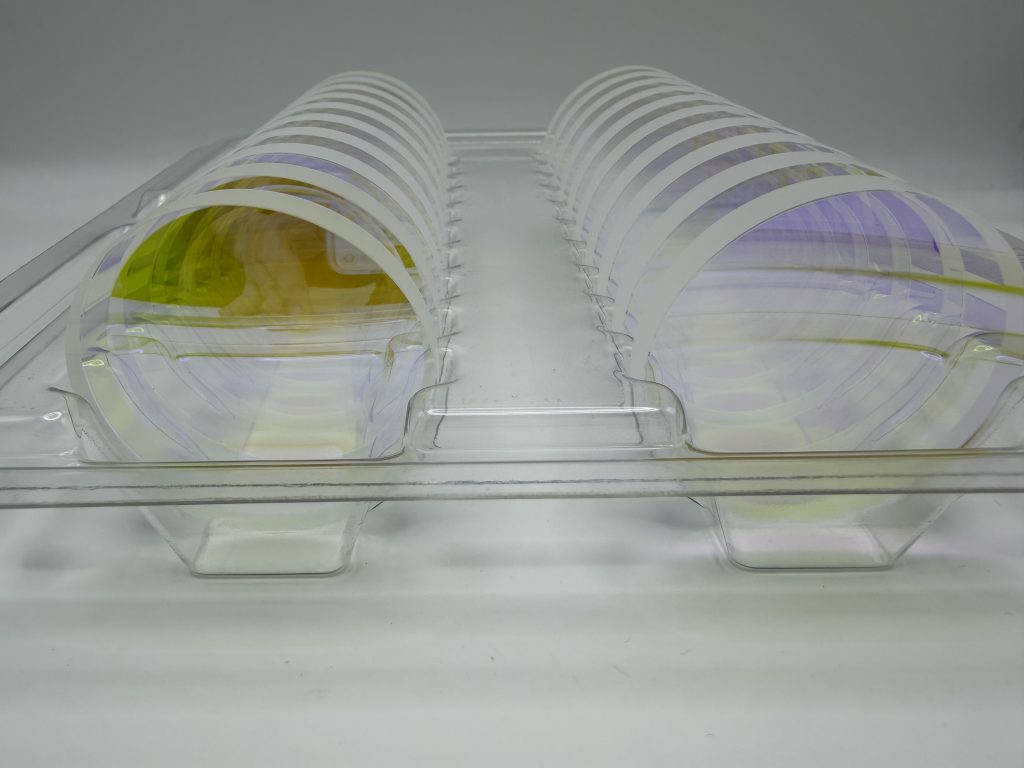
Optical windows are transparent optical components designed to allow light to pass through an optical system while protecting internal elements from harsh environments such as pressure, heat, dust, or chemical exposure. Unlike lenses, optical windows do not change the direction or focus of light—they are primarily used as protective and transmission interfaces.
Key Functions of Optical Windows
Optical windows serve several important roles in optical and industrial systems:
- Light transmission: Allowing high-quality transmission of light across specific wavelength ranges (UV, visible, IR).
- Environmental protection: Shielding sensitive optical or electronic components from external conditions such as vacuum, high pressure, or contamination.
- System isolation: Separating different environments while maintaining optical clarity.
- Mechanical durability: Providing structural stability in demanding industrial or scientific applications.
Common Materials Used
The performance of an optical window largely depends on its material. Common materials include:
- Fused silica: Excellent UV transmission and thermal stability
- Sapphire: High hardness and superior resistance to scratching and extreme conditions
- Optical glass: Cost-effective solution for visible light applications
- Germanium & silicon: Commonly used in infrared (IR) systems
Applications of Optical Windows
Optical windows are widely used across multiple industries:
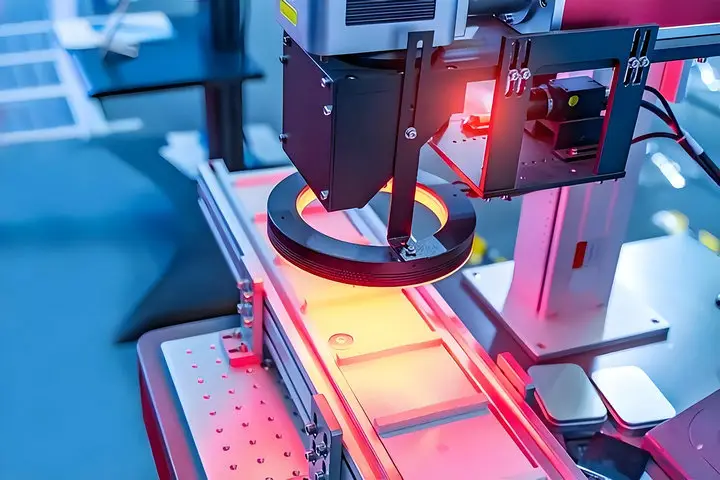
- Laser systems: Protecting internal optics in high-power laser equipment
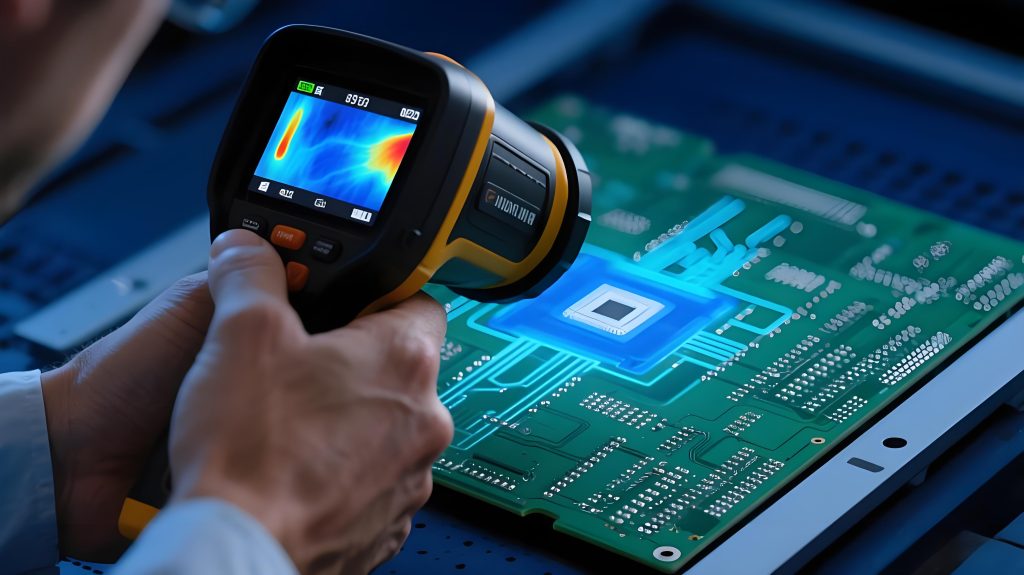
- Infrared imaging systems: Used in thermal cameras and IR detection devices
- Aerospace and defense: Installed in sensors, guidance systems, and observation equipment
- Medical devices: Used in diagnostic and imaging instruments
- Industrial equipment: Protecting sensors in harsh manufacturing environments
Conclusion
Optical windows play a critical role in modern optical systems by combining light transmission with environmental protection. Choosing the right material and specification is essential to ensure system performance, durability, and optical accuracy.