Understanding Optical Coated Lenses: Types, Benefits, and Applications
Optical coated lenses play a critical role in modern optical systems, from imaging equipment to laser technology and scientific instruments. By applying advanced lens coating technologies, manufacturers can significantly improve the performance of standard optical lenses, enhancing light transmission, reducing reflection, and increasing durability.
In this article, we will explore the main types of optical coated lenses, their key benefits, and their wide range of applications in precision optics.
What Are Optical Coated Lenses?
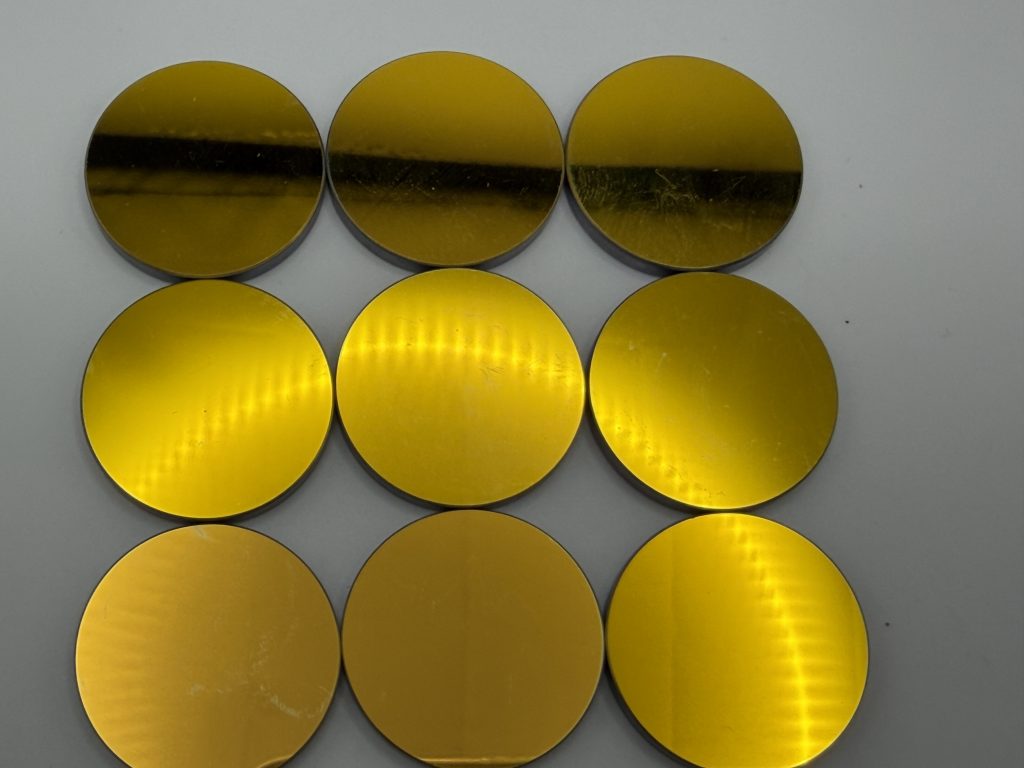
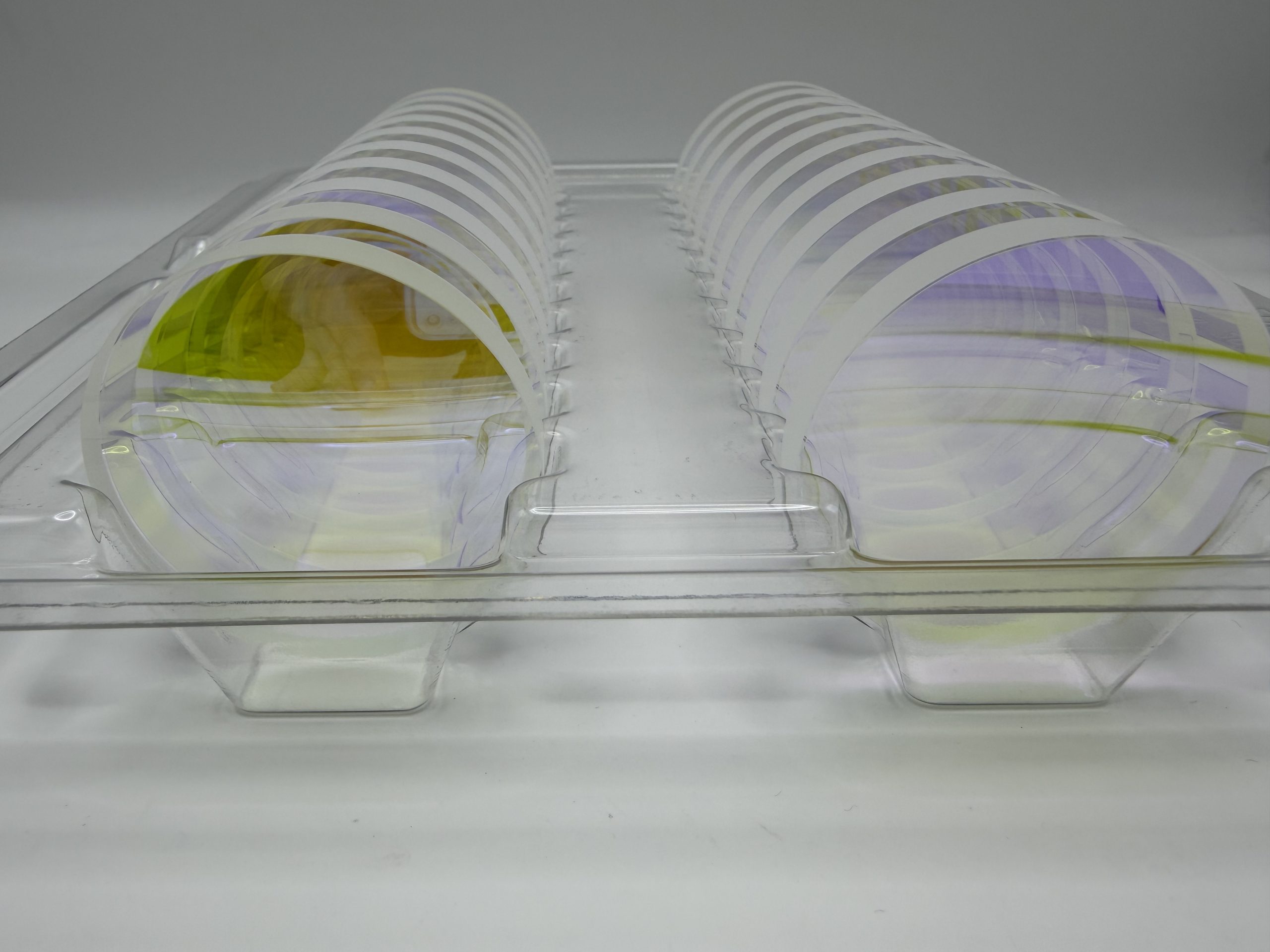
Optical coated lenses are optical components that have been treated with one or more thin-film coatings on their surface. These coatings are designed to modify how light interacts with the lens surface.
Without coating, standard optical glass lenses can reflect a portion of incoming light, which reduces transmission efficiency. With proper optical coating (such as anti-reflective coating), the lens allows more light to pass through, improving clarity and performance.
These coated optical components are widely used in systems where high precision and minimal light loss are required.
Types of Optical Coated Lenses
There are several common types of coatings used in optical lenses, depending on the application:
1. Anti-Reflective (AR) Coated Lenses
AR coatings are the most widely used type. They reduce surface reflections and increase light transmission. These lenses are essential in cameras, microscopes, and laser systems.
2. High-Reflection Coated Lenses
These coatings are designed to reflect specific wavelengths of light. They are often used in laser optics and beam steering systems.
3. UV and IR Coated Lenses
UV-coated lenses enhance performance in ultraviolet applications, while IR coatings are optimized for infrared systems such as thermal imaging and night vision devices.
4. Multi-Layer Coated Optical Lenses
These use multiple thin-film layers to achieve highly specific optical properties, such as improved contrast or wavelength selectivity.
Key Benefits of Optical Coated Lenses
Using coated optical lenses provides several important advantages in precision optics systems:
✔ Improved Light Transmission
AR coatings significantly reduce reflection loss, allowing more light to pass through the lens.
✔ Reduced Glare and Ghosting
In imaging systems, lens coatings help eliminate unwanted reflections that can degrade image quality.
✔ Enhanced Optical Performance
Coated optics deliver higher clarity and better signal quality in laser and imaging applications.
✔ Increased Durability
Advanced coatings also protect the lens surface from scratches, moisture, and environmental damage.
Applications of Optical Coated Lenses
Optical coated lenses are widely used across multiple industries:
- Laser systems (cutting, engraving, measurement)
- Medical devices (endoscopes, imaging systems)
- Scientific instruments (spectrometers, microscopes)
- Industrial inspection systems
- Aerospace and defense optics
- Consumer optics (cameras, sensors, AR/VR devices)
In all these fields, precision and reliability are critical, making coated optical components essential for optimal performance.
Choosing the Right Optical Coated Lens
When selecting optical lenses with coating, several factors should be considered:
- Wavelength range of application
- Required transmission efficiency
- Environmental conditions
- Substrate material (such as optical glass or infrared materials)
- Coating type (AR, IR, UV, or custom coatings)
Working with a professional optical manufacturer ensures that the coating specifications match your exact system requirements.
Conclusion
Optical coated lenses are a fundamental component in modern precision optics systems. By improving light transmission, reducing reflection, and enhancing durability, they significantly boost the performance of optical devices across many industries.
Whether used in laser technology, imaging systems, or scientific instruments, high-quality coated optical lenses are essential for achieving accurate and reliable results.