What is a ZnSe Window? Material Properties and Full Application Guide
A ZnSe window (Zinc Selenide optical window) is a high-performance infrared optical component widely used in laser systems, thermal imaging, and spectroscopy. It is specially designed to transmit infrared light with very low absorption, making it one of the most important materials in CO₂ laser optics and IR optical systems.
In this article, we will explain what ZnSe windows are, their key material properties, and where they are used in industrial and scientific applications.
1. What is a ZnSe Window?
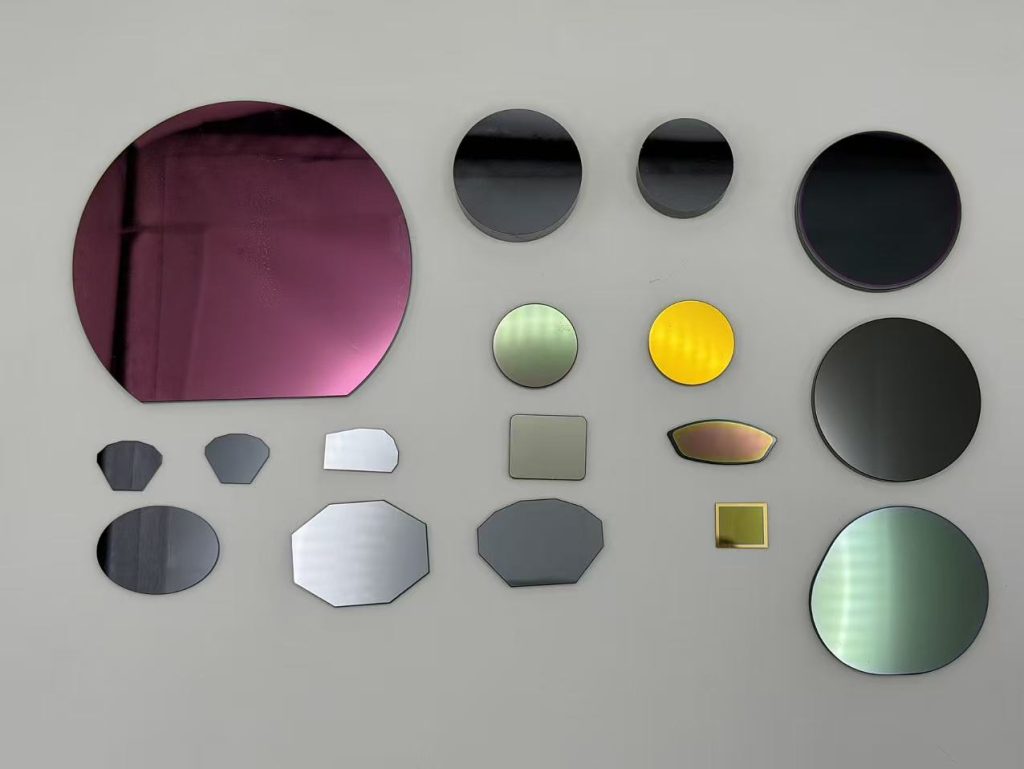
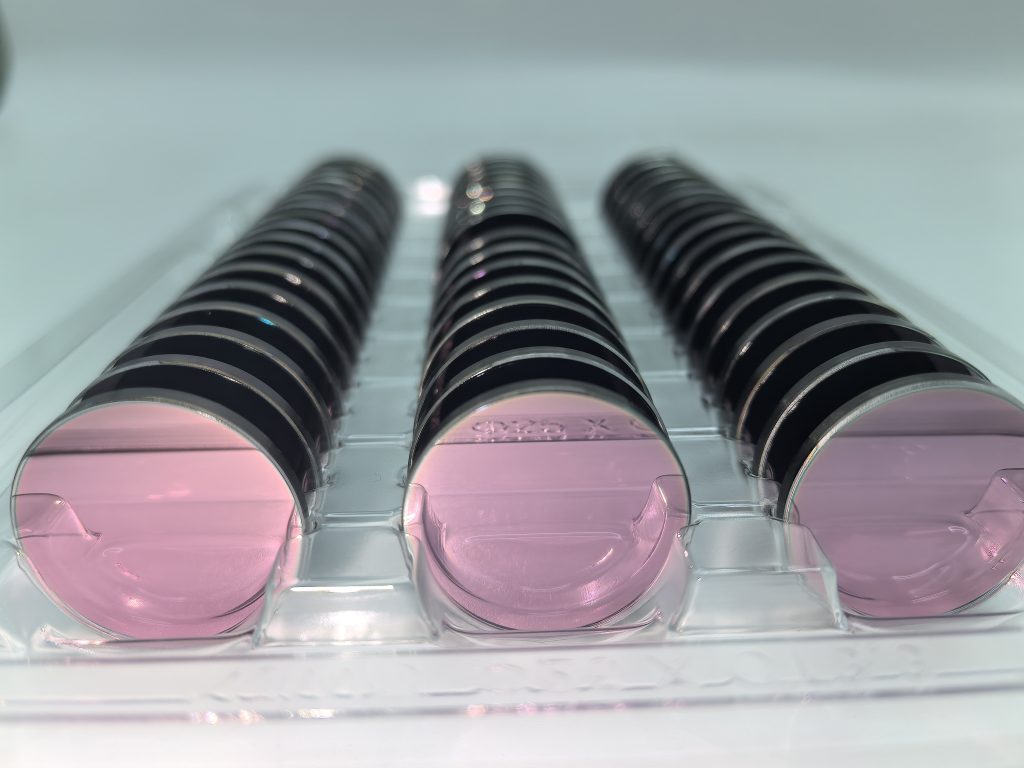
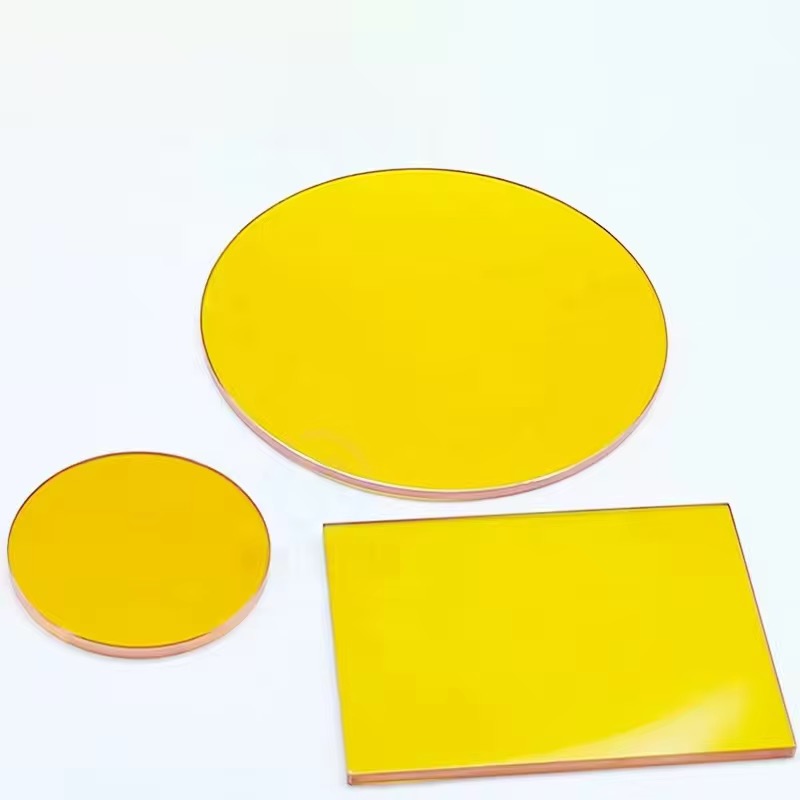
A ZnSe window is an optical flat made from Zinc Selenide (ZnSe) crystal material. It is used to transmit light while protecting sensitive optical or laser systems from dust, moisture, and mechanical damage.
ZnSe is especially known for its excellent transmission in the infrared (IR) range, particularly around 10.6 μm, which is the standard wavelength of CO₂ lasers.
2. Key Material Properties of ZnSe
ZnSe optical windows are widely used because of their unique physical and optical properties:
2.1 High Infrared Transmission
ZnSe provides excellent transmission from 0.6 μm to 21 μm, making it suitable for a wide range of infrared applications.
2.2 Ideal for CO₂ Laser (10.6 μm)
One of the most important features of ZnSe is its very high transmission at 10.6 μm, the wavelength used in industrial CO₂ lasers.
2.3 Low Absorption and Scattering
ZnSe has low optical absorption, which reduces thermal distortion and improves laser system stability.
2.4 Soft and Easily Machinable Material
Compared with harder optical materials like sapphire, ZnSe is relatively soft, making it easier to polish into high-precision optical components.
2.5 AR Coating Compatibility
ZnSe windows are often coated with anti-reflective (AR) coatings to further improve transmission and reduce surface reflection losses.
3. Main Applications of ZnSe Windows
ZnSe windows are widely used in both industrial and scientific fields.
3.1 CO₂ Laser Cutting and Engraving Machines
ZnSe is the standard window material for CO₂ laser systems, used in:
- Laser cutting machines
- Laser engraving equipment
- Laser welding protection windows
3.2 Infrared Imaging Systems
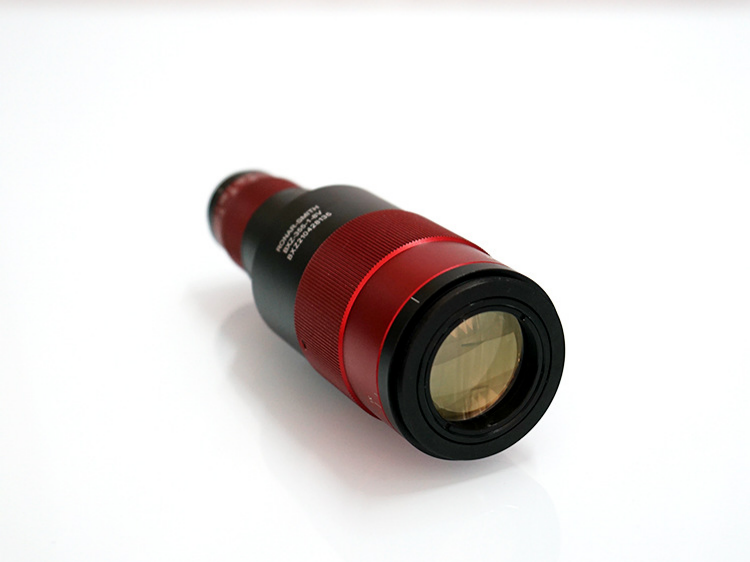
ZnSe windows are used in thermal imaging systems to transmit infrared radiation clearly without distortion.
3.3 Spectroscopy Equipment
In scientific instruments, ZnSe windows are used in:
- FTIR spectrometers
- Infrared analysis systems
- Chemical detection equipment
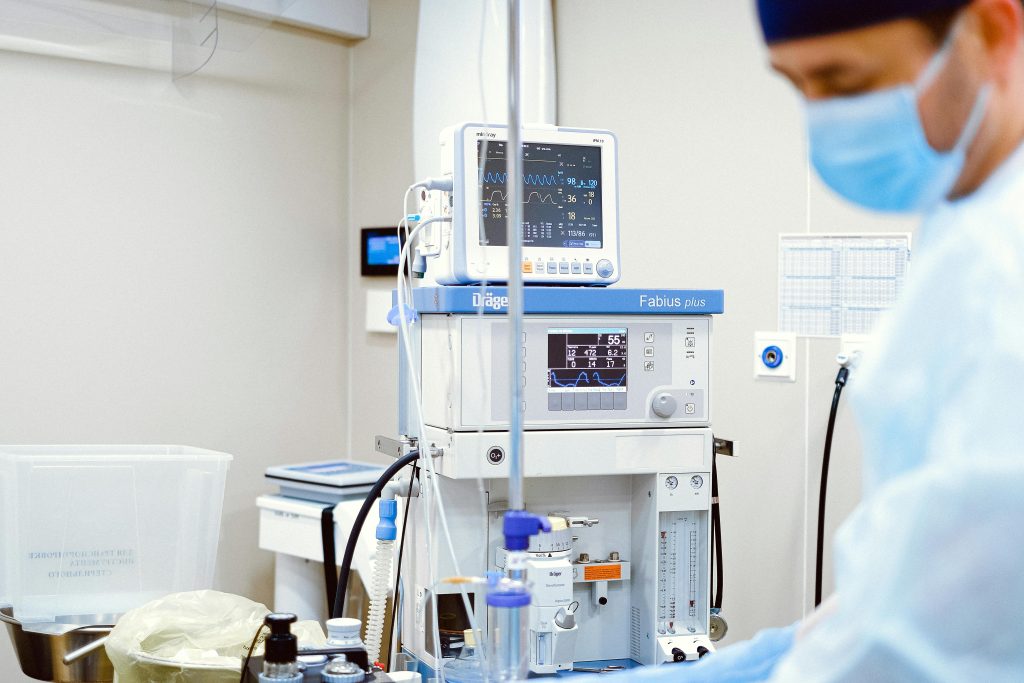
3.4 Medical Laser Devices
ZnSe optical components are used in certain medical laser systems where infrared transmission is required.
3.5 Industrial Monitoring Systems
ZnSe windows protect sensors in harsh industrial environments while maintaining IR transparency.
4. Advantages of ZnSe Windows
- Excellent transmission in infrared spectrum
- Ideal for CO₂ laser wavelength (10.6 μm)
- High optical quality and low distortion
- Suitable for high-precision optical systems
- Widely used and industry-proven material
5. Limitations of ZnSe Windows
Despite its advantages, ZnSe also has some limitations:
- Relatively soft material (easy to scratch)
- Requires careful handling and cleaning
- Higher cost compared to standard optical glass
- Not suitable for high-impact mechanical environments
6. ZnSe Windows vs Other Optical Materials
ZnSe is often compared with other infrared optical materials:
- ZnSe vs ZnS: ZnSe has better transmission in CO₂ laser range
- ZnSe vs Sapphire: Sapphire is harder, but ZnSe performs better in IR transmission
- ZnSe vs Silicon: Silicon is better for longer IR wavelengths but not CO₂ laser optimized
7. How to Choose the Right ZnSe Window?
When selecting a ZnSe window, consider:
- Wavelength requirement (especially 10.6 μm CO₂ laser)
- Diameter and thickness
- Surface flatness and quality
- AR coating requirement
- Application environment (industrial, medical, scientific)
8. Conclusion
A ZnSe window is a critical optical component for infrared and CO₂ laser systems. Its outstanding infrared transmission, especially at 10.6 μm, makes it the industry standard for laser cutting, spectroscopy, and thermal imaging applications.
Although it requires careful handling due to its softness, its optical performance makes it indispensable in modern IR optical systems.