Custom Optics Manufacturer for OEM and Industrial Applications
Custom optics are essential for industrial equipment that requires specific optical performance, material properties, dimensions, and surface quality. For OEMs and equipment manufacturers, selecting a reliable custom optics manufacturer helps ensure that optical components meet design requirements and integrate properly into the final system.
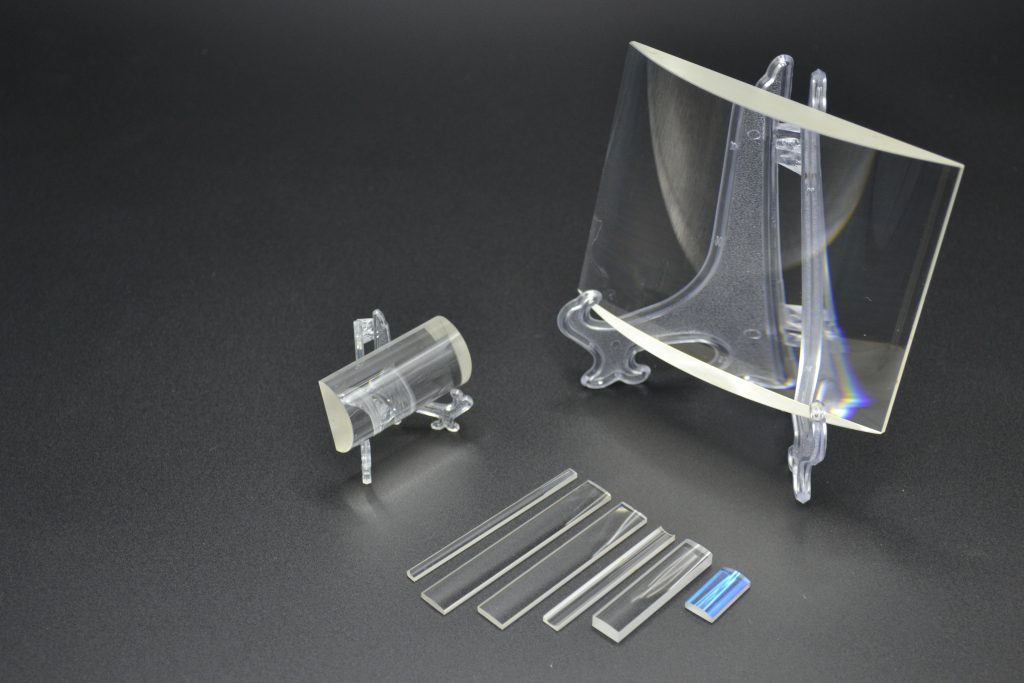
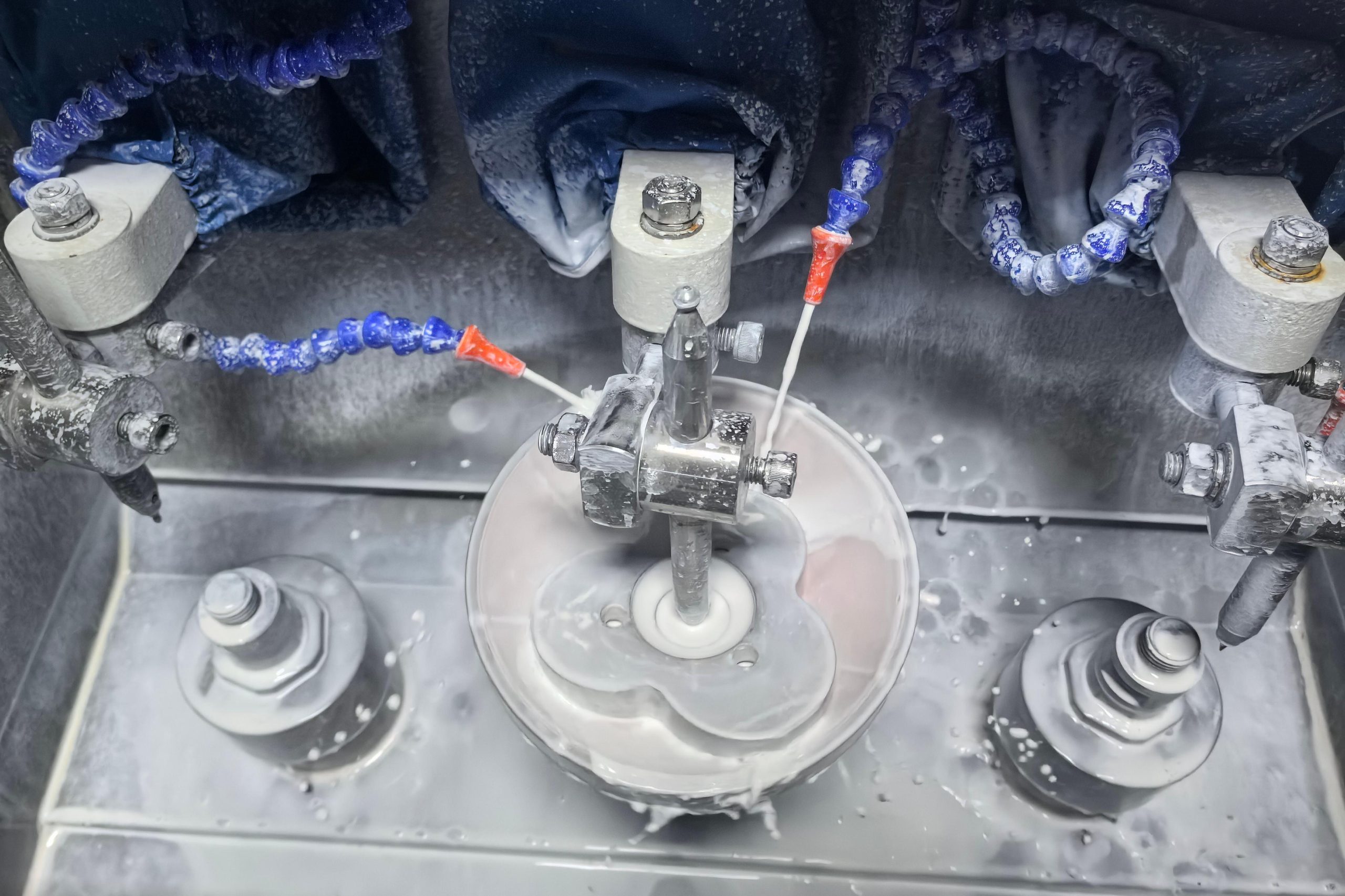
Custom optical components can include lenses, optical windows, prisms, and infrared optics manufactured according to customer drawings and technical specifications. Material selection, dimensional tolerances, surface quality, and optical coatings all influence the performance of the finished component.
Custom Optical Components for OEM Projects
OEM projects often require optical components that are not available as standard catalog products. These components may need specific dimensions, geometries, focal lengths, surface characteristics, or coating configurations to meet the requirements of the equipment.
A custom optics supplier can support different project stages, from prototype development to repeat production orders. Components can be manufactured according to engineering drawings, optical specifications, or application requirements.
Common custom optical components include:
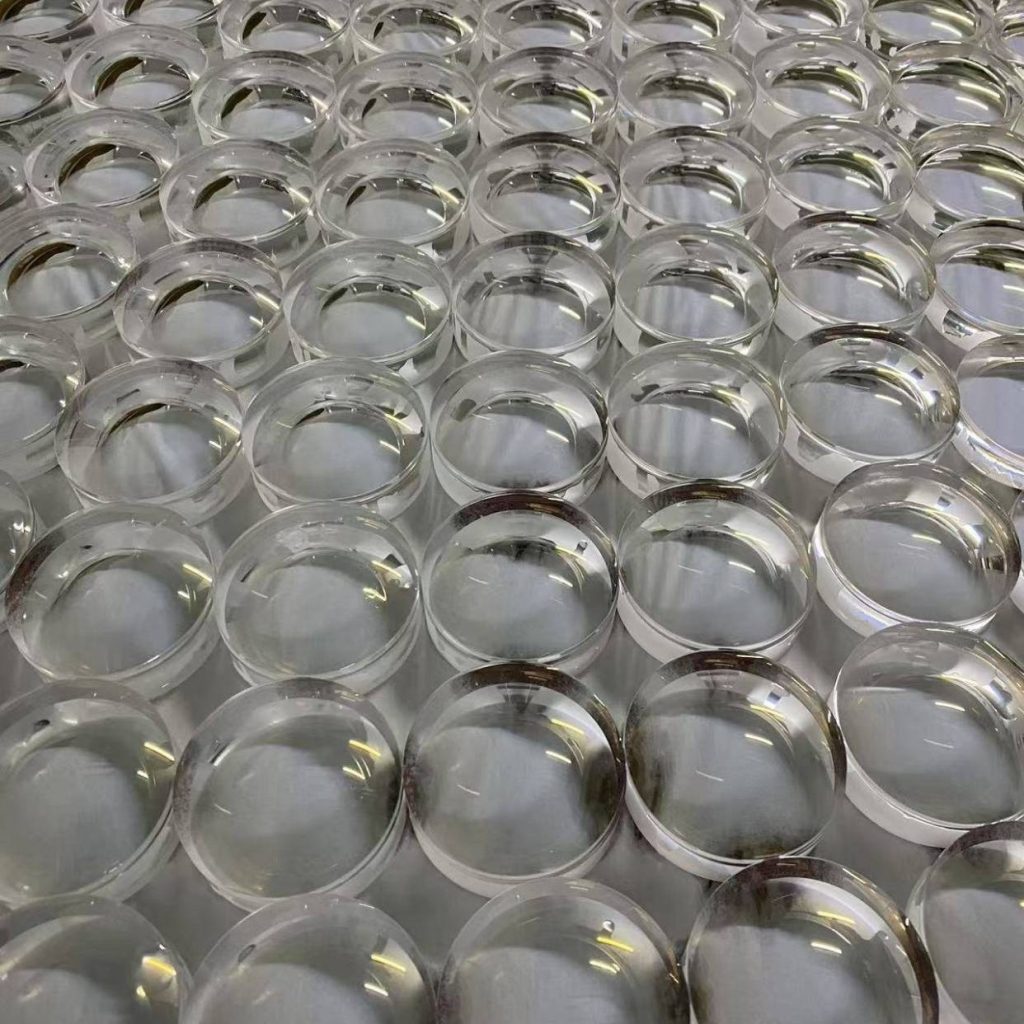
- Optical lenses: Plano-convex, plano-concave, double-convex, double-concave, and other spherical lens designs.
- Optical windows: Flat, stepped, and custom-shaped windows for protective and optical transmission applications.
- Optical prisms: Right-angle, penta, wedge, and other prism configurations for beam deviation and optical path control.
- Infrared optical components: Components made from materials such as germanium, zinc selenide, and silicon for infrared optical systems.
- Laser optics: Optical components designed for laser transmission, beam control, and related industrial applications.
The appropriate component design depends on the optical system, operating environment, and required performance.
Optical Materials for Custom Manufacturing
Material selection is an important part of custom optics manufacturing. Different optical materials offer different transmission ranges, refractive indices, thermal properties, and mechanical characteristics.
The following materials are commonly used in industrial optical applications.
| Optical Material | Typical Characteristics | Common Applications |
|---|---|---|
| N-BK7 optical glass | Good visible-light transmission and optical homogeneity | Visible-light lenses, prisms, and windows |
| Fused silica | Low thermal expansion and good ultraviolet transmission | Laser optics, optical windows, and precision components |
| Sapphire | High hardness and excellent wear resistance | Protective windows and demanding industrial environments |
| Germanium (Ge) | High refractive index and infrared transmission | Thermal imaging and infrared optical systems |
| Zinc selenide (ZnSe) | Broad infrared transmission | CO₂ laser optics and infrared components |
| Silicon (Si) | Suitable infrared transmission and good thermal conductivity | Infrared windows and optical components |
Material suitability should be evaluated against the operating wavelength, temperature, environmental conditions, and optical design. For example, a material suitable for visible-light imaging may not provide the required transmission for a mid-wave infrared (MWIR) system.
Precision Manufacturing and Optical Specifications
Custom optical components must meet the dimensional and optical requirements of the intended application. Even small deviations can affect alignment, focusing, transmission, or overall system performance.
When requesting a quotation from a custom optics manufacturer, buyers should consider the following specifications:
- Dimensions and tolerances: Overall dimensions, thickness, diameter, and allowable dimensional variation.
- Surface quality: Scratch-dig requirements, surface defects, and cosmetic acceptance criteria.
- Surface flatness: Important for optical windows and other components where wavefront performance matters.
- Radius of curvature: Required for spherical lenses and other curved optical surfaces.
- Optical performance: Refractive index, transmission, focal length, or other application-specific parameters.
- Coating requirements: Anti-reflective (AR), high-reflective (HR), or other coatings matched to the operating wavelength.
Not every component requires the same level of precision. Defining the critical specifications early helps manufacturers assess feasibility and provide a more appropriate quotation.

Custom Optical Coatings for Different Applications
Optical coatings are used to control reflection, transmission, and reflectivity according to the needs of an optical system. The coating design should match the material, wavelength range, angle of incidence, and operating conditions.
Common coating options include:
Anti-reflective (AR) coatings: Reduce surface reflection and improve transmission at specified wavelengths. They are widely used in lenses, windows, and multi-element optical systems.
High-reflective (HR) coatings: Provide high reflectivity over a specified wavelength range for applications such as laser systems and optical beam control.
Broadband coatings: Support transmission across a wider wavelength range, depending on the coating design and substrate.
For custom optical components, coating requirements should be confirmed before production. This includes the target wavelength, required reflectance or transmittance, coating surfaces, and any environmental durability requirements.
How to Request a Custom Optics Quotation
Providing complete technical information helps a manufacturer evaluate a project and reduce unnecessary clarification during the quotation process.
For a custom optics inquiry, buyers should ideally provide:
- Technical drawings: Include dimensions, tolerances, geometric details, and relevant notes.
- Material requirements: Specify the preferred optical material or the required transmission range.
- Optical specifications: Include focal length, surface quality, flatness, or other applicable parameters.
- Coating requirements: Identify the coating type and operating wavelength, if applicable.
- Order quantity: State the prototype quantity, initial order volume, and estimated repeat demand where available.
- Application details: Explain the intended equipment or operating environment when this information affects material selection or manufacturing feasibility.
If a complete drawing is not yet available, preliminary specifications and application details can provide a starting point for technical discussion.
Work with a Custom Optics Manufacturer
Choosing a custom optics manufacturer involves more than comparing unit prices. Buyers should evaluate material availability, manufacturing capabilities, achievable tolerances, coating options, quality requirements, and the supplier’s ability to support repeat orders.
ElyonOptics supplies custom optical components for industrial and OEM applications, including optical lenses, windows, prisms, and infrared optics. Components can be specified according to project requirements, with material and coating options selected to suit the intended application.
Contact ElyonOptics to discuss your custom optics project. Send your technical drawings, material requirements, optical specifications, and target quantity to request a quotation and manufacturing feasibility review.