Why Fused Silica Is the Preferred Material for UV Optical Lenses
Ultraviolet (UV) optical systems require lens materials with excellent transmission performance, high durability, and stable optical properties. Unlike visible light applications, UV wavelengths can be strongly absorbed by many conventional optical glasses, limiting their effectiveness in advanced UV systems.
Among available optical materials, fused silica has become the preferred choice for UV optical lenses due to its outstanding ultraviolet transmission, low optical absorption, excellent thermal stability, and high resistance to laser damage.
Today, fused silica lenses are widely used in UV laser systems, semiconductor manufacturing, photolithography, medical equipment, and scientific research instruments.
This article explains why fused silica is an ideal material for UV optical lenses and its advantages in modern optical applications.
What Is Fused Silica?
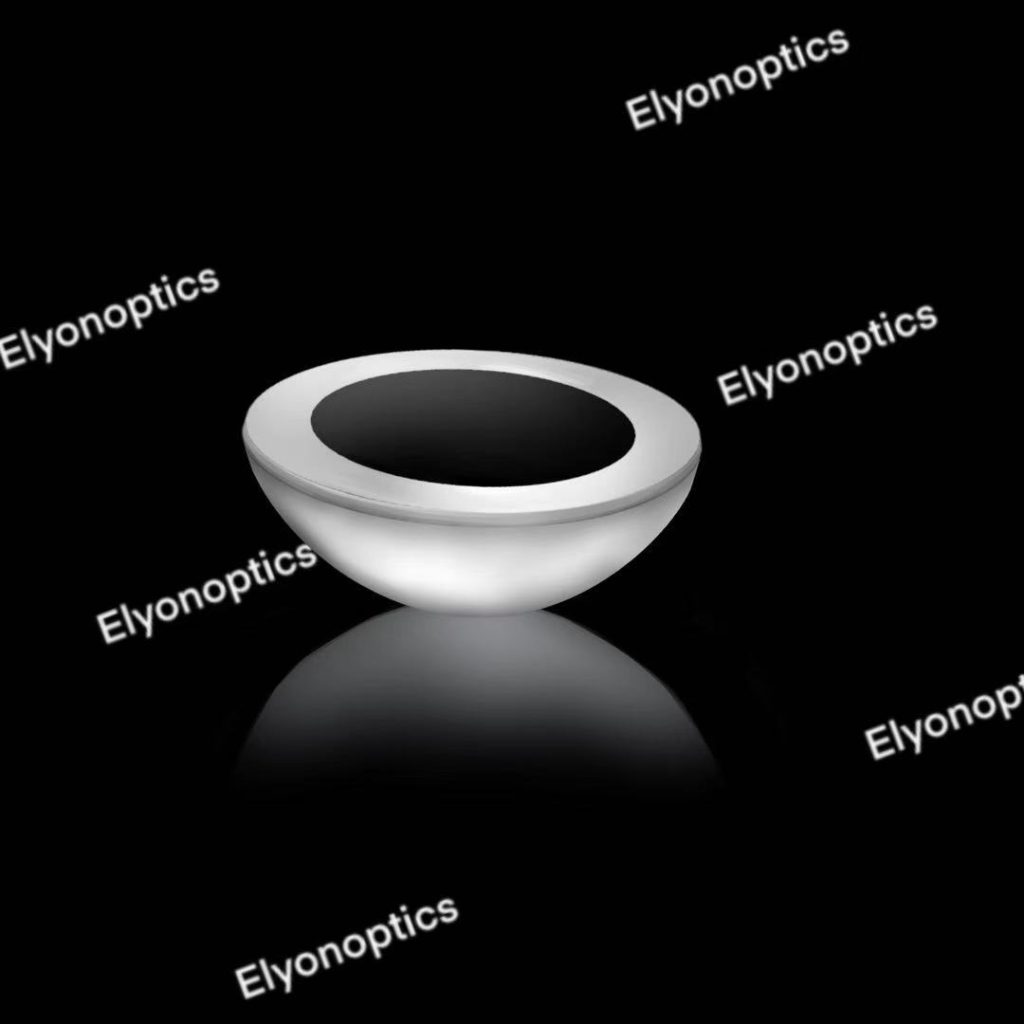
Fused silica is a high-purity synthetic glass material primarily composed of silicon dioxide (SiO₂). Unlike ordinary glass, fused silica is manufactured through a controlled melting process that produces extremely low impurity levels and excellent optical uniformity.
Due to its unique material properties, fused silica is widely used for demanding optical applications requiring:
- High UV transmission
- Low thermal expansion
- High optical accuracy
- Excellent chemical resistance
- Superior environmental stability
These characteristics make fused silica one of the most important materials for UV optical components.
Why Fused Silica Is Ideal for UV Optical Lenses
1. Excellent Ultraviolet Transmission
The biggest advantage of fused silica for UV optics is its excellent transmission performance in ultraviolet wavelengths.
Many standard optical glasses absorb UV light, especially below 350 nm, which reduces optical efficiency and affects system performance.
Fused silica provides high transmission from deep ultraviolet (DUV) wavelengths to infrared ranges, making it suitable for:
- UV laser systems
- Excimer lasers
- Photolithography equipment
- UV imaging systems
- Spectroscopy instruments
This superior UV transmission allows fused silica lenses to deliver higher optical efficiency and better system performance.
2. Low Optical Absorption for UV Applications
UV radiation carries higher photon energy compared with visible light. Optical materials with higher absorption can experience heating, degradation, or even permanent damage.
High-purity fused silica has extremely low absorption characteristics, allowing it to maintain stable performance during continuous UV exposure.
This makes fused silica suitable for:
- High-power UV lasers
- Industrial laser processing
- Semiconductor inspection systems
- Precision UV optical instruments
3. High Resistance to UV Radiation Damage
Long-term exposure to UV radiation can cause some optical materials to degrade, resulting in reduced transparency and shorter service life.
Fused silica offers excellent resistance against UV radiation damage due to its stable chemical structure.
Compared with conventional glass materials, fused silica lenses provide:
- Longer operational lifetime
- Better optical stability
- Reduced performance degradation
- Reliable UV transmission over time
This is especially important for equipment operating continuously in UV environments.
4. Superior Thermal Stability
UV optical systems, especially laser-based equipment, often generate significant heat during operation.
Fused silica has an extremely low coefficient of thermal expansion, which helps maintain lens shape and optical alignment even under temperature fluctuations.
Benefits include:
- Reduced thermal distortion
- Improved focusing accuracy
- Better dimensional stability
- Reliable performance in harsh environments
For precision UV optical systems, thermal stability is a critical factor.
5. Excellent Laser Damage Threshold
Many UV optical systems use high-energy laser sources that require materials capable of handling intense laser power.
Fused silica has a high laser damage threshold, making it widely used in:
- UV laser cutting systems
- Laser marking equipment
- Semiconductor processing tools
- Scientific laser systems
With proper surface polishing and optical coatings, fused silica lenses can achieve excellent performance in high-power UV laser applications.
Applications of Fused Silica UV Optical Lenses
UV Laser Systems
Fused silica lenses are commonly used in UV laser systems for beam focusing, collimation, and transmission.
Typical applications include:
- Excimer lasers
- Nd:YAG harmonic lasers
- UV marking machines
- Laser micromachining equipment
Semiconductor Manufacturing
The semiconductor industry relies heavily on UV optical technology for high-precision manufacturing.
Fused silica optical components are used in:
- Photolithography systems
- Wafer inspection equipment
- UV exposure machines
- Precision alignment systems
The excellent purity and UV performance of fused silica make it a critical material for semiconductor optics.
Medical and Biological Equipment
UV optical systems are widely used in medical and scientific fields.
Applications include:
- UV sterilization systems
- Medical laser equipment
- Fluorescence imaging systems
- Analytical instruments
Fused silica lenses provide stable optical performance in these precision applications.
Scientific Research Instruments
Research laboratories require optical materials with high accuracy and reliability.
Fused silica lenses are commonly used in:
- Spectrometers
- UV imaging systems
- Optical measurement equipment
- Research laser platforms
Fused Silica vs Other Optical Materials for UV Lenses
| Property | Fused Silica | Standard Optical Glass |
|---|---|---|
| UV Transmission | Excellent | Limited |
| UV Radiation Resistance | Excellent | Moderate |
| Thermal Expansion | Very Low | Higher |
| Laser Damage Threshold | High | Lower |
| Optical Stability | Excellent | Good |
| High Precision Applications | Excellent | Limited |
For UV optical systems requiring reliability and long-term performance, fused silica is usually the preferred material.
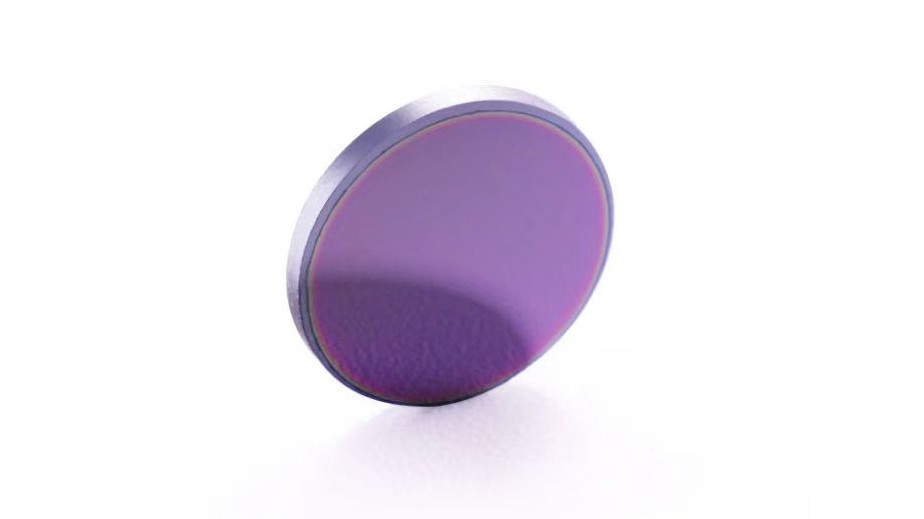
Custom Fused Silica UV Optical Lenses
Different UV optical systems require customized lens solutions based on wavelength, power level, and application environment.
Professional optical manufacturers can provide custom fused silica lenses with:
- Customized dimensions
- High surface accuracy
- Low surface roughness
- Anti-reflection coatings
- Specific UV wavelength designs
- Custom optical configurations
ElyonOptics supplies precision fused silica optical components for UV laser systems, scientific instruments, and industrial optical applications.
Conclusion
Fused silica has become the preferred material for UV optical lenses because of its excellent ultraviolet transmission, low absorption, high laser damage resistance, and superior thermal stability.
From semiconductor manufacturing and UV laser processing to medical equipment and scientific research, fused silica lenses provide the reliability and optical performance required by modern UV systems.
For companies looking for high-quality fused silica optical components, selecting an experienced optical manufacturer is essential to achieving stable and precise optical performance.