Understanding Germanium Export Controls
In recent years, global supply chains for advanced materials have become increasingly complex. Among these materials, germanium—a critical component in infrared optics—has drawn significant attention following the implementation of export control measures.
For companies involved in thermal imaging, night vision, and infrared sensing systems, these changes are more than just regulatory updates. They directly affect sourcing strategies, lead times, and overall project planning.
What Makes Germanium Essential in Infrared Optics?
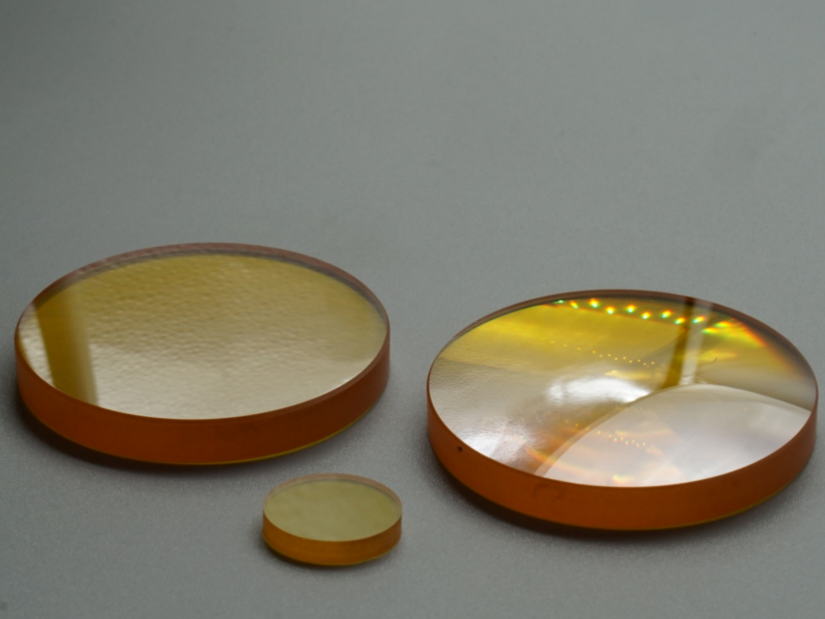
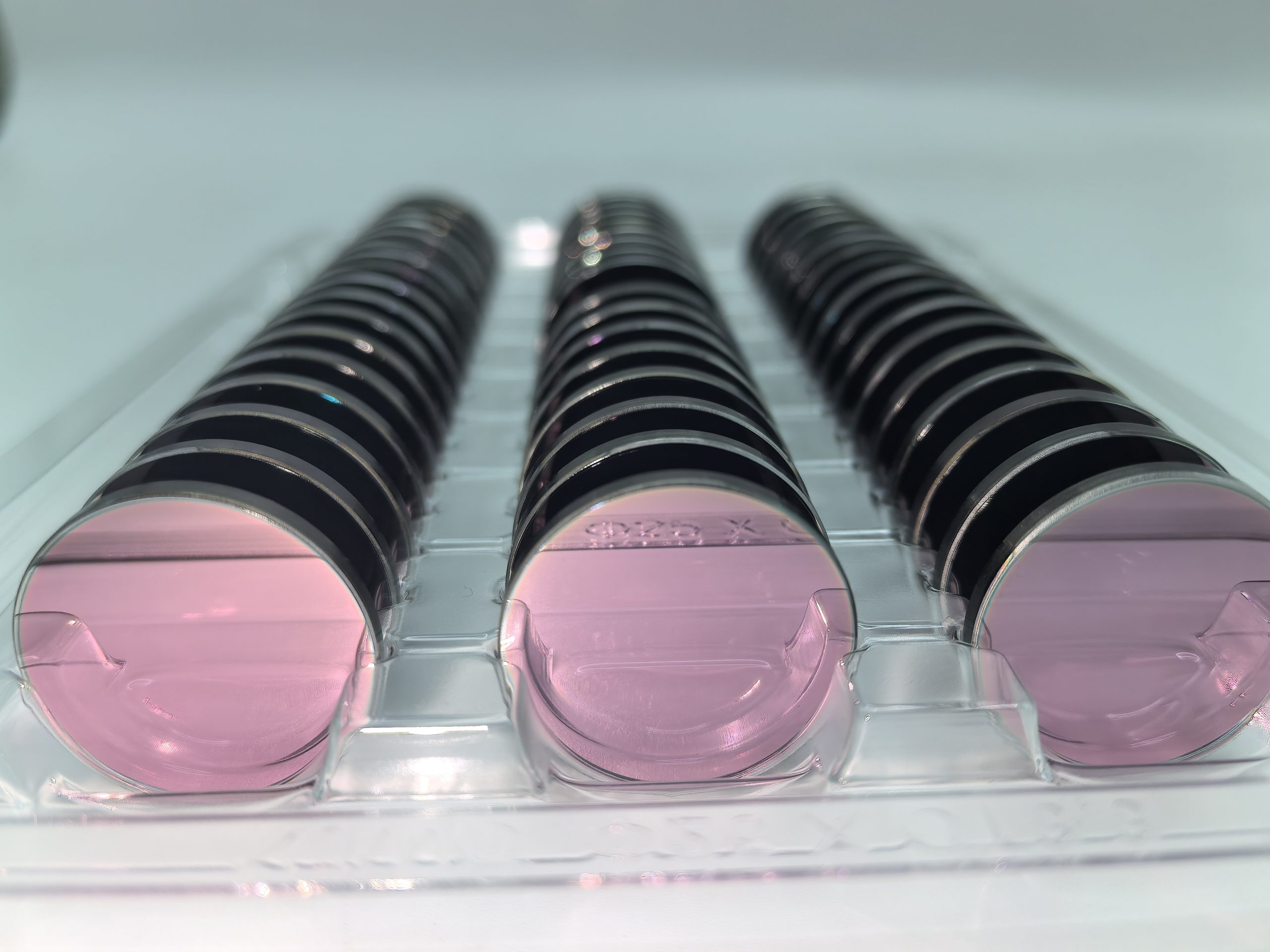
Germanium is widely used in infrared optical lenses due to its excellent transmission properties in the long-wave infrared (LWIR) spectrum (8–14 μm).
Key advantages include:
- High infrared transmission efficiency
- Stable physical and chemical properties
- Good machinability for precision optics
Because of these characteristics, germanium is commonly used in:
- Thermal imaging systems
- Night vision devices
- Infrared temperature measurement
- Security and surveillance optics
Overview of Germanium Export Controls
As part of broader efforts to regulate strategic materials, export controls have been introduced for germanium-related products. Exporters are now required to comply with stricter procedures, including licensing and documentation.
This shift brings several immediate implications:
- More structured and regulated export processes
- Potentially longer lead times
- Increased compliance requirements for international shipments
For overseas buyers, especially those relying on stable supply from China, these changes require closer attention.
Key Impacts on the Optical Industry
1. Tighter Raw Material Supply
Germanium is a core material in infrared lens manufacturing. With export controls in place, the global supply may become more constrained, leading to:
- Price fluctuations
- Procurement challenges
- Longer delivery cycles
2. Increased Supply Chain Uncertainty
Manufacturers and integrators may experience:
- Project delays
- Higher operational costs
- Greater need for supply chain planning
Industries such as security, industrial inspection, and thermal imaging are particularly sensitive to these changes.
3. Growing Interest in Alternative Materials
As supply pressure increases, some companies are exploring alternative infrared materials, such as:
- Silicon (Si)
- Zinc Sulfide (ZnS)
- Multispectral ZnS
However, it is important to note that these materials cannot fully replace germanium, especially in LWIR applications where performance requirements are critical.
How Buyers Can Adapt
To navigate the changing landscape, international buyers can take several practical steps:
Work with Export-Compliant Suppliers
Choose suppliers with experience in handling export control regulations, ensuring smoother documentation and shipping processes.
Plan Procurement in Advance
Allow for longer lead times and consider stocking strategies to reduce supply risks.
Optimize Optical Design
Where possible, adjust system requirements or design structures to reduce reliance on germanium.
Build Long-Term Partnerships
Establishing stable supplier relationships can help ensure priority access and more reliable delivery.
Conclusion
Germanium export controls mark an important shift in the global supply of infrared optical materials. While they introduce new challenges, they also encourage the industry to improve supply chain resilience and explore innovative material solutions.
For companies operating in infrared optics, staying informed and working with experienced partners will be key to maintaining stable operations in this evolving environment.