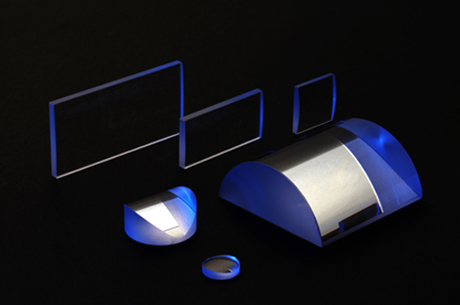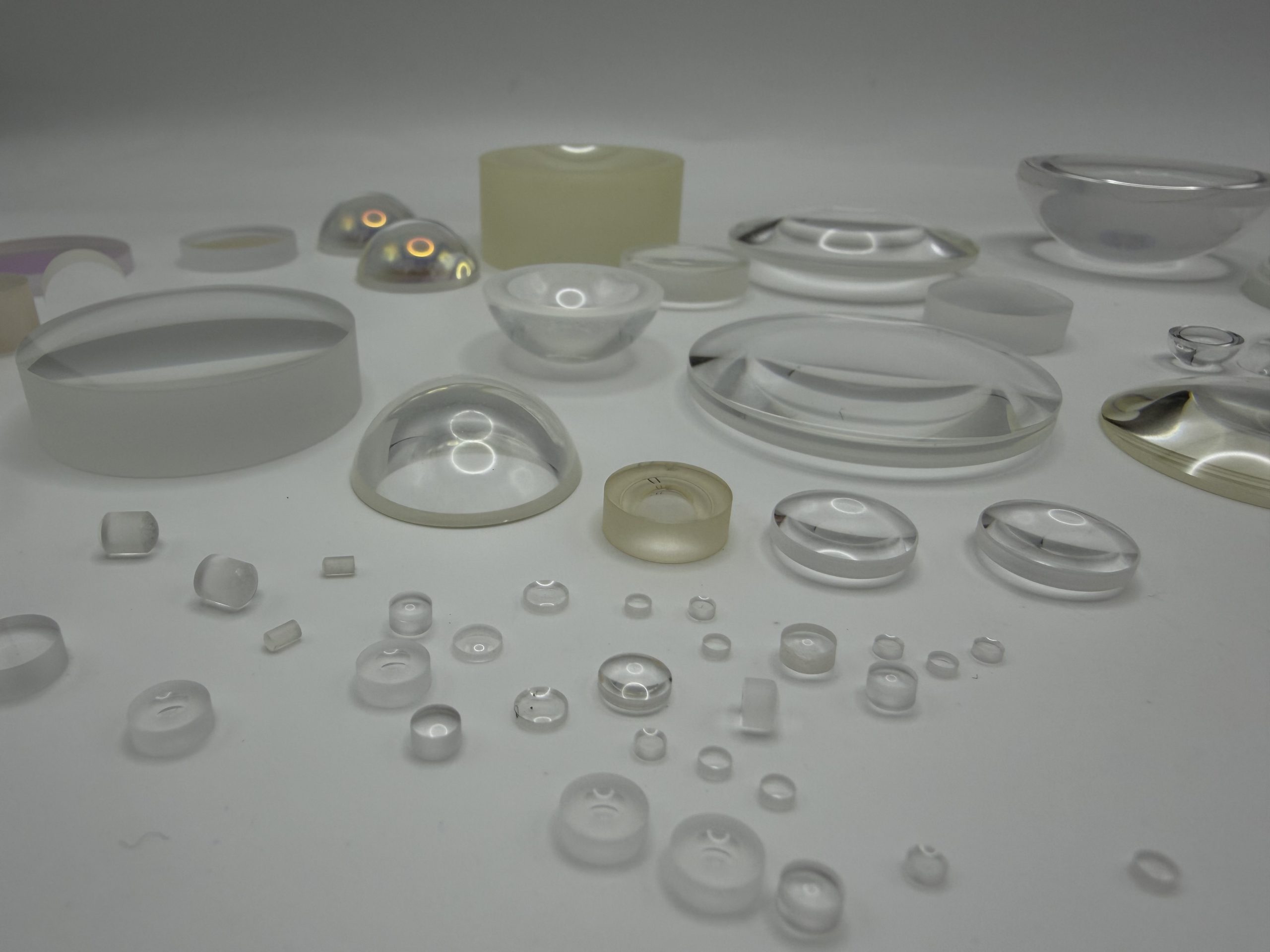
Precision Spherical Lens for Optical Systems
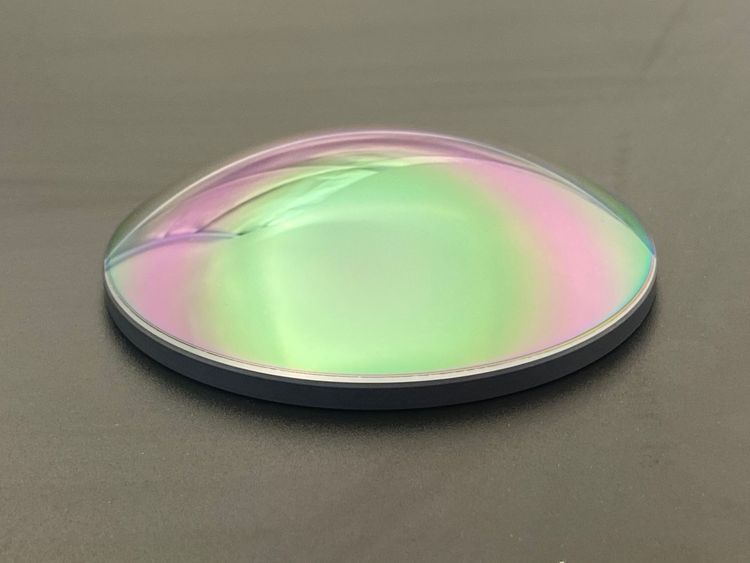
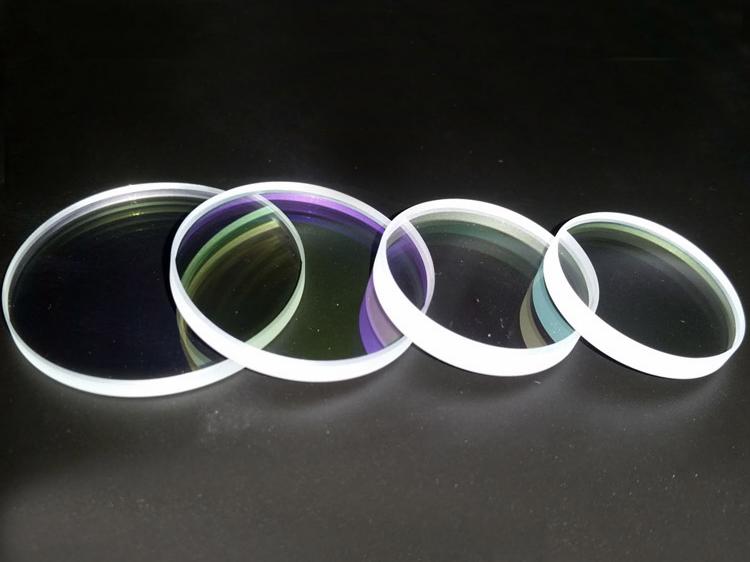
Precision spherical lenses are optical components designed to control, focus, or diverge light in a wide range of optical systems. With accurately manufactured spherical surfaces, these lenses can provide consistent optical performance for laser optics, imaging systems, optical instruments, sensors, and other photonics applications.
ElyonOptics supplies precision spherical lenses in different optical materials, diameters, focal lengths, surface specifications, and coatings. Custom configurations are available according to drawings and application requirements.
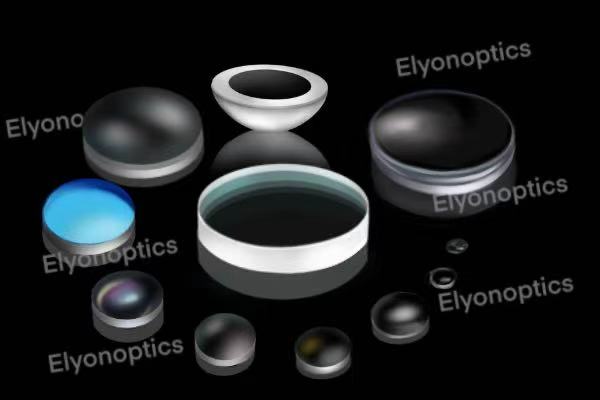
Precision Spherical Lens Materials
The optical material should be selected according to the operating wavelength, transmission requirements, environmental conditions, and optical design.
Common materials for precision spherical lenses include:
- Fused silica
- Optical glass
- BK7
- UV-grade fused silica
- Sapphire
- Calcium fluoride
- Silicon
- Germanium
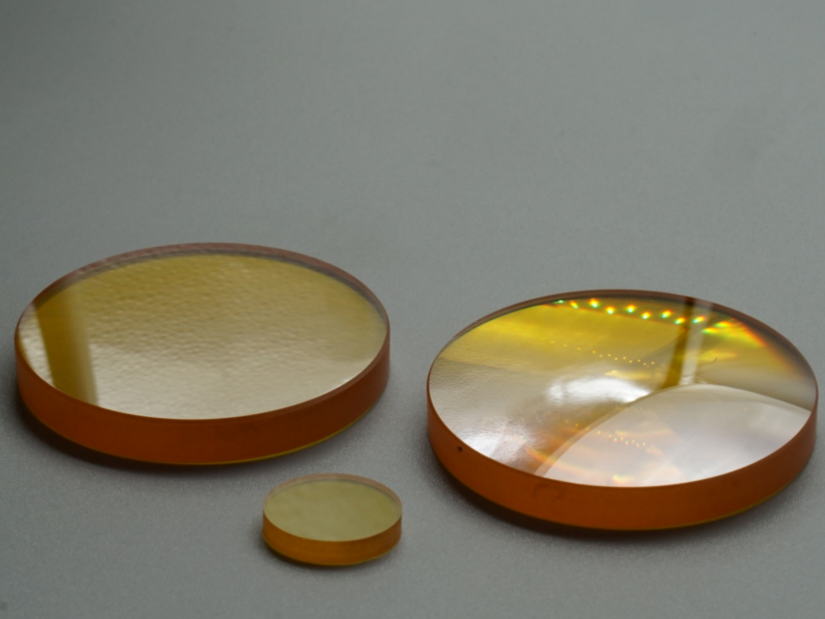
- Zinc selenide
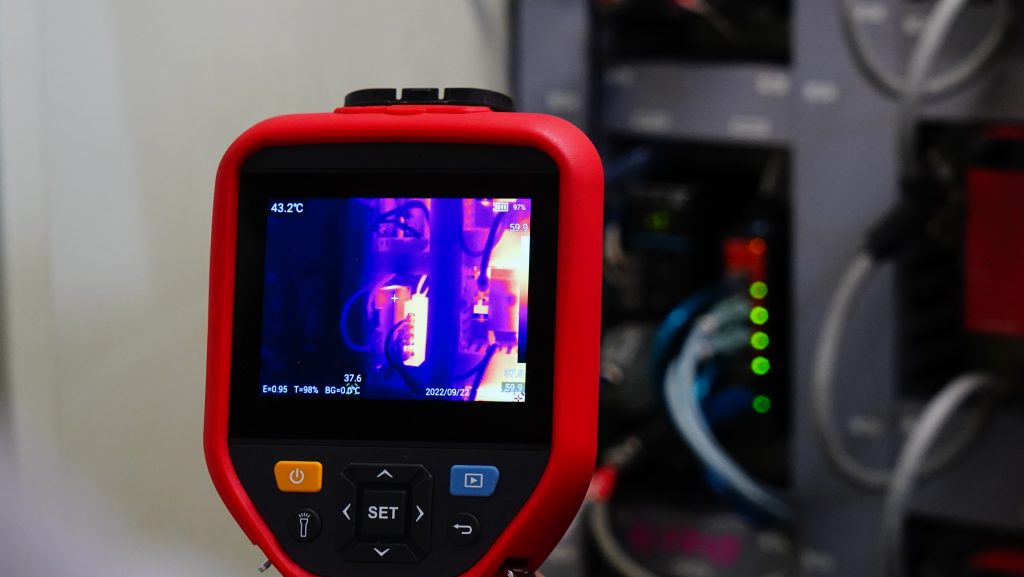
Different materials provide different transmission ranges, refractive indices, thermal properties, and mechanical characteristics. For infrared optical systems, materials such as silicon, germanium, and ZnSe may be selected according to the required wavelength range.
Spherical Lens Types
Precision spherical lenses can be manufactured in several configurations to provide different optical functions.
Plano Convex Spherical Lens
A plano convex lens has one flat surface and one convex spherical surface. It is commonly used for focusing collimated light and collecting or concentrating optical radiation.
Plano Concave Spherical Lens
A plano concave lens has one flat surface and one concave spherical surface. It is typically used to diverge light beams or expand an optical beam.
Bi-Convex Spherical Lens
A bi-convex lens has two convex spherical surfaces and can provide positive optical power. It is suitable for applications requiring light collection or focusing.
Bi-Concave Spherical Lens
A bi-concave lens has two concave surfaces and provides negative optical power for beam divergence and other optical functions.
The appropriate lens geometry depends on focal length, beam characteristics, working distance, and the overall optical design.
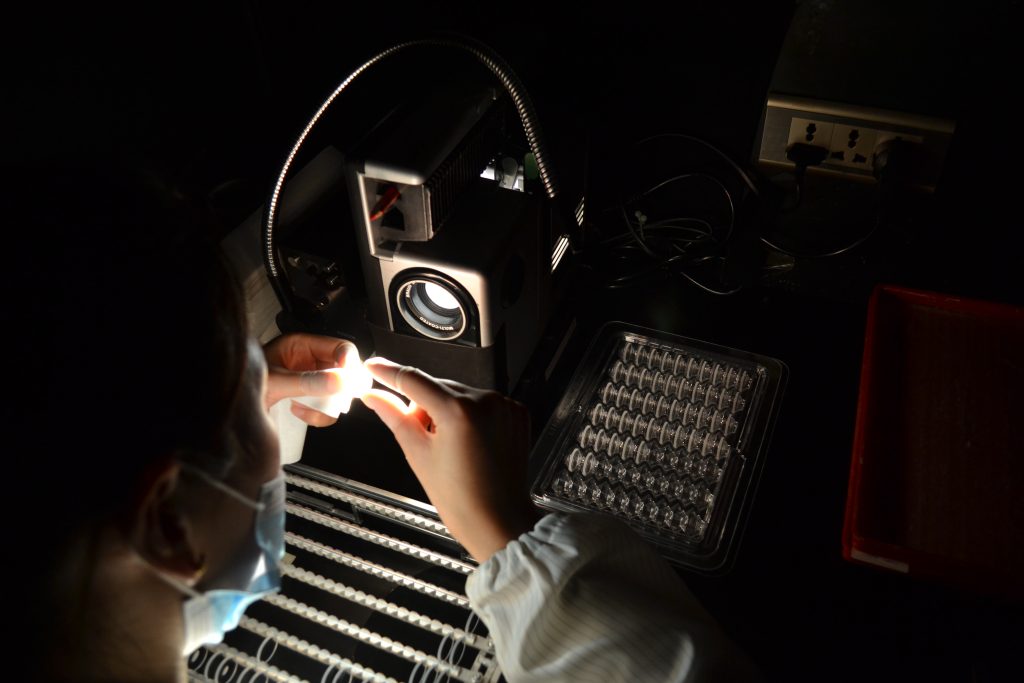
Precision Spherical Lens Specifications
Optical systems often require tighter specifications than standard commercial lenses. Depending on the application, precision spherical lenses can be supplied with controlled optical and dimensional parameters.
Typical specifications include:
- Diameter
- Center thickness
- Edge thickness
- Radius of curvature
- Effective focal length
- Back focal length
- Surface quality
- Surface accuracy
- Centration
- Wedge
- Clear aperture
- Chamfer
- Coating
The required tolerances should be defined according to the optical system rather than using unnecessarily tight specifications.
Precision Spherical Lens for Laser Optics
Precision spherical lenses are widely used in laser optical systems for beam focusing, collimation, beam expansion, and light collection.
The lens material and coating should match the laser wavelength. Surface quality and surface accuracy are also important when the lens is used with high-quality or high-power laser beams.
For OEM laser optics, customers can provide the operating wavelength, beam diameter, focal length, lens diameter, and coating requirements for technical evaluation.
Precision Spherical Lens for Imaging Systems
Spherical lenses can also be incorporated into imaging and optical inspection systems. They can be used to focus incoming light onto detectors or other optical components.
For imaging applications, parameters such as focal length, aperture, surface accuracy, centration, and wavelength range need to be considered together. A suitable lens specification can help maintain the required optical performance within the complete system.
Precision Spherical Lens for Optical Instruments
Precision spherical lenses are used in various optical instruments and measurement systems where controlled light transmission and focusing are required.
Applications can include:
- Optical sensors
- Machine vision systems
- Spectrometers
- Measurement instruments
- Photodetectors
- Laser measurement systems
- Scientific optical instruments
- Fiber optic systems
The final lens design depends on the optical path and the performance requirements of the instrument.
Optical Coatings
Anti-reflection coatings can be applied to precision spherical lenses to reduce surface reflection and improve transmission at specified wavelengths.
Coating options can be selected for:
- UV
- Visible
- NIR
- SWIR
- MWIR
- LWIR
- Specific laser wavelengths
The coating design should be matched to the substrate material and operating wavelength. Environmental durability requirements can also be considered for industrial optical systems.
Custom Precision Spherical Lenses
Standard optical lenses may not always meet the requirements of an OEM optical system. Custom precision spherical lenses can be manufactured according to technical drawings or optical specifications.
Customization can include lens diameter, radius, thickness, focal length, material, surface quality, centration tolerance, clear aperture, coating, and other dimensional requirements.
For a quotation, customers can provide:
- Optical drawing
- Lens material
- Diameter and thickness
- Radius or focal length
- Operating wavelength
- Coating requirements
- Surface quality
- Quantity
- Application information
These specifications allow the lens configuration and manufacturing requirements to be evaluated before production.
Precision Spherical Lens Supplier
ElyonOptics supplies precision spherical lenses for OEM and industrial optical applications. We provide different optical materials and lens configurations, with custom dimensions, optical specifications, and coatings available according to customer requirements.
For custom precision spherical lenses, send us your drawing or required optical specifications for evaluation and quotation.