Precision MWIR Optical Components for IR Applications
Mid-wave infrared (MWIR) systems require optical components with consistent transmission, precise geometry, and reliable surface performance. Precision MWIR optical components are used in imaging, sensing, spectroscopy, thermal detection, and other infrared applications where optical performance must be matched to a specific wavelength range.
From lenses and optical windows to prisms and coated infrared components, the selection of suitable materials and manufacturing specifications plays an important role in the performance of an MWIR optical system.
MWIR Optical Components for Infrared Systems
MWIR optical systems operate in the mid-wave infrared region and are commonly designed for applications involving infrared detection and imaging. Optical components used in these systems must provide appropriate infrared transmission while maintaining the dimensional and surface specifications required by the optical design.
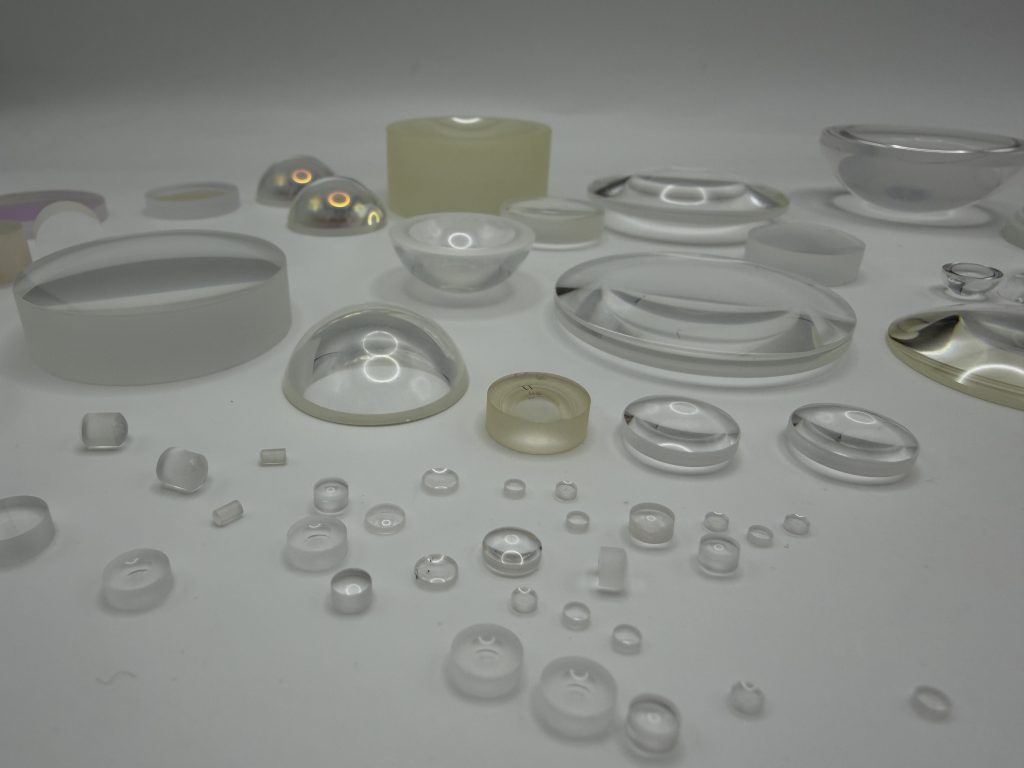
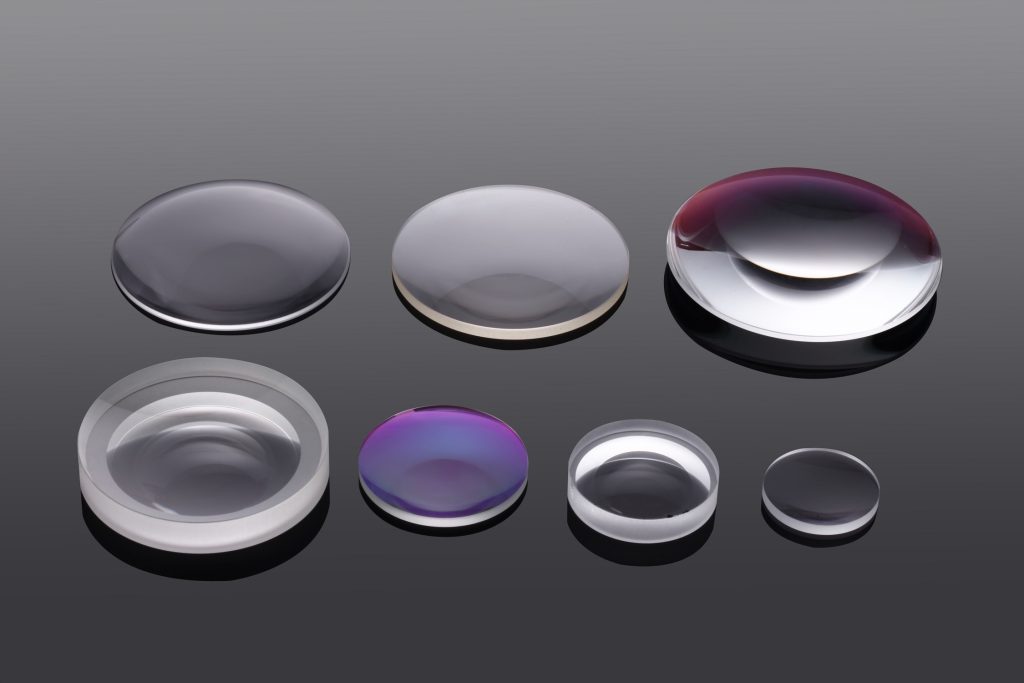
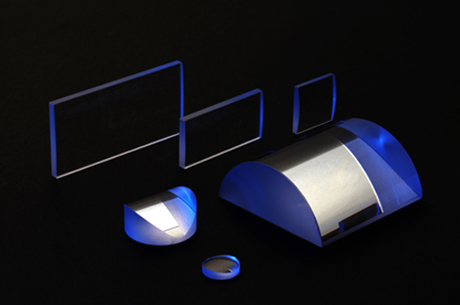
Common MWIR optical components include:
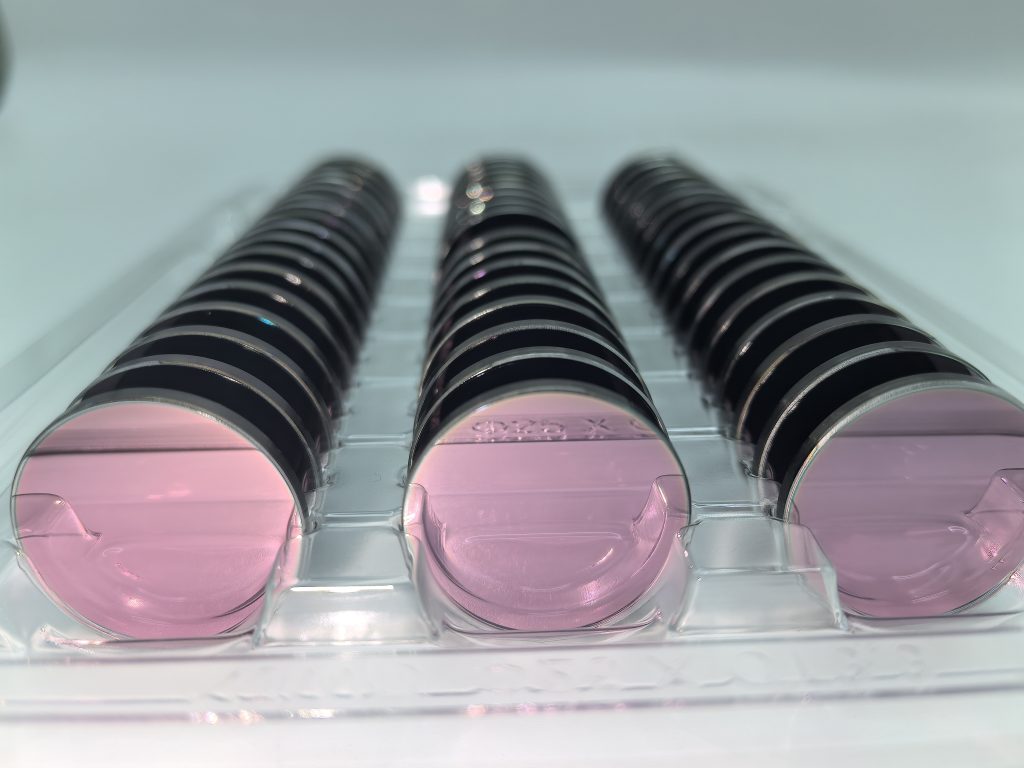
- Infrared optical windows
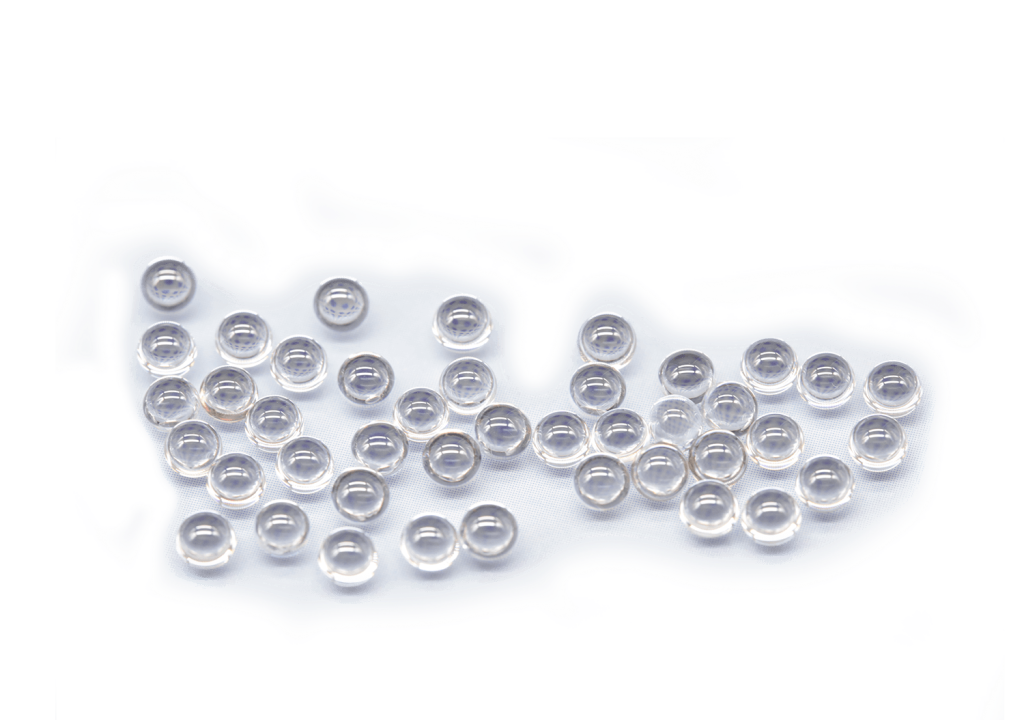
- Plano-convex and plano-concave lenses
- Bi-convex and bi-concave lenses
- Meniscus lenses
- Prisms
- Custom infrared optics
- Coated optical components
The exact component configuration depends on the optical design, wavelength range, aperture, focal requirements, and mechanical structure of the system.
Materials for MWIR Optical Components
Material selection is closely related to the intended infrared wavelength range and application environment. Different infrared materials offer different combinations of transmission, refractive index, mechanical properties, and environmental resistance.
Silicon is widely used for infrared optical components and can be manufactured into windows and lenses for suitable IR applications. Germanium is another important infrared optical material, particularly for imaging and thermal systems. Other materials may also be selected when their optical or environmental characteristics better match the application.
Material selection should therefore be based on the complete optical specification rather than wavelength alone.
Precision Manufacturing for MWIR Optics
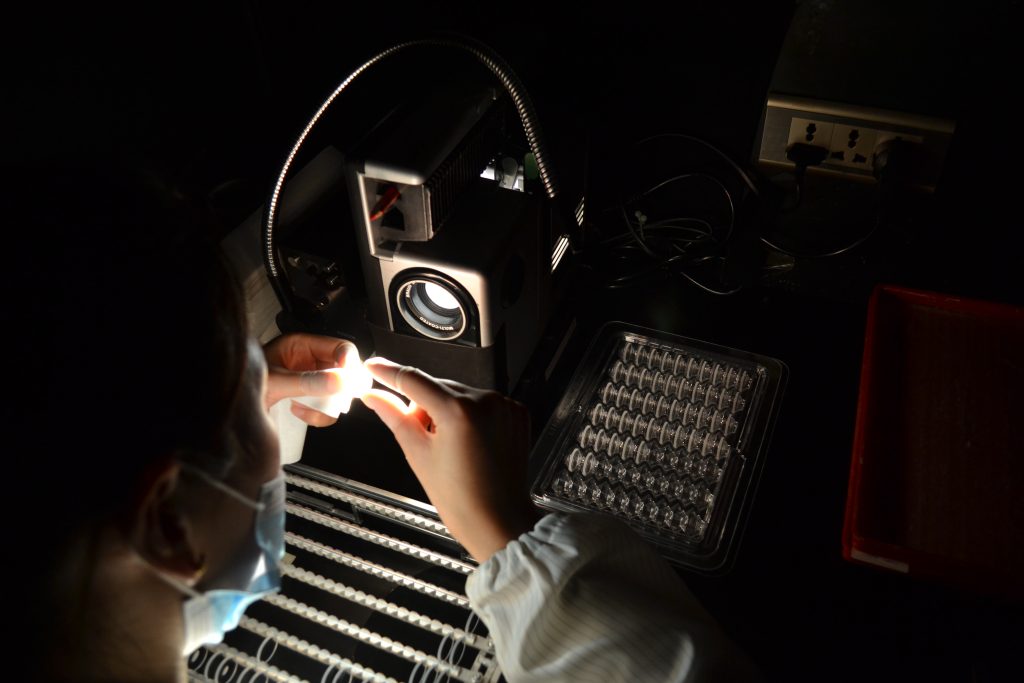
MWIR optical components often require controlled dimensional tolerances and surface specifications to maintain the expected performance of the optical system.
Depending on the component, manufacturing specifications may include:
- Diameter or overall dimensions
- Center thickness
- Edge thickness
- Radius of curvature
- Surface flatness
- Surface quality
- Parallelism
- Centration
- Chamfer dimensions
- Coating specifications
For OEM and custom optical projects, components can be manufactured according to engineering drawings or detailed technical requirements.

Optical Coatings for MWIR Components
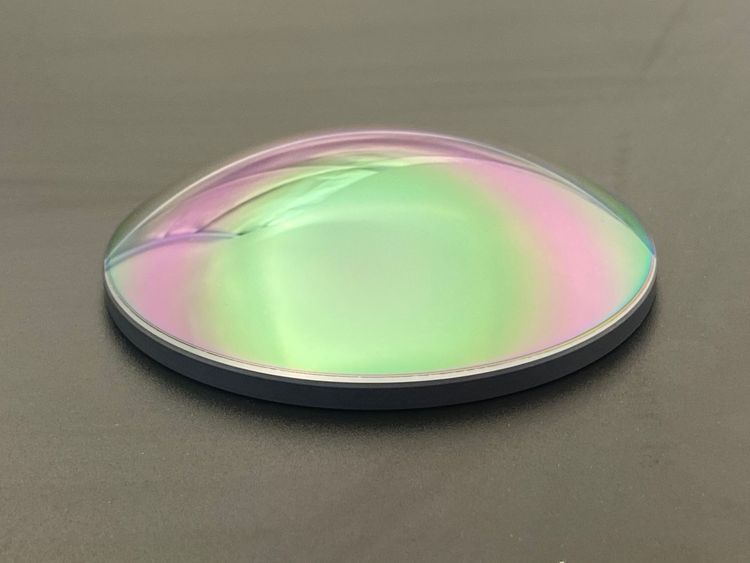
Optical coatings can be applied to MWIR components to improve transmission and control surface reflection within a specified wavelength range. Coating selection depends on the operating band, angle of incidence, substrate material, and environmental conditions.
Anti-reflective coatings are commonly considered for MWIR lenses and windows when higher transmission is required. Custom coating designs can be developed for specific optical systems and wavelength requirements.
The coating process must also be compatible with the selected infrared substrate and the intended operating environment.
Applications of Precision MWIR Optical Components
Precision MWIR optical components can be integrated into a variety of infrared systems, including:
- Thermal imaging systems
- Infrared cameras
- IR sensing equipment
- Industrial inspection systems
- Spectroscopy equipment
- Infrared detection systems
- Aerospace optical systems
- Defense and security imaging equipment
In these applications, the optical component is normally part of a larger optical assembly. Material, geometry, coating, and surface specifications must work together to meet the requirements of the complete system.
Custom MWIR Optical Components for OEM Projects
Standard infrared optics may not always match the dimensions or optical specifications of an OEM system. Custom MWIR optical components provide greater flexibility for systems requiring specific dimensions, optical parameters, or coating configurations.
Custom components can be produced according to drawings, samples, or technical specifications. Depending on the project, manufacturers may provide customized lenses, windows, prisms, and other infrared optical components with specified surface treatments and coatings.
For a custom MWIR optical project, providing the material, dimensions, wavelength range, optical tolerances, coating requirements, quantity, and application information can help establish the appropriate manufacturing specification.
Precision MWIR optical components provide a practical solution for infrared systems that require controlled optical performance, customized configurations, and reliable integration into OEM equipment.