MWIR vs. LWIR Optics: Key Differences in Thermal Imaging
Thermal imaging systems commonly operate in the Mid-Wave Infrared (MWIR) or Long-Wave Infrared (LWIR) bands. The choice of wavelength affects image quality, environmental performance, detector selection, and optical design.
MWIR Optics
MWIR typically covers 3–5 μm and is widely used in applications requiring high sensitivity and long-range thermal detection.
MWIR optical systems commonly use materials such as Germanium, Silicon, Zinc Selenide (ZnSe), and Zinc Sulfide (ZnS), depending on the wavelength and optical design.
- Long-range thermal imaging
- Target detection and tracking
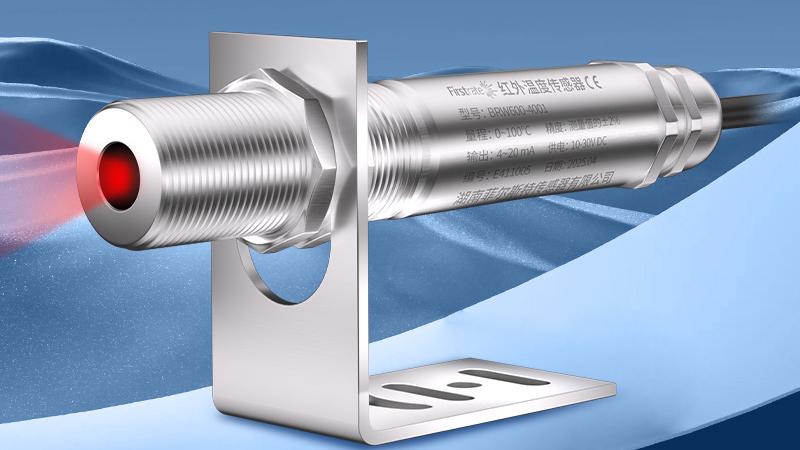
- Industrial temperature measurement
- Aerospace and defense systems
- Gas detection
LWIR Optics
LWIR typically covers 8–14 μm and is widely used for general thermal imaging and temperature detection.
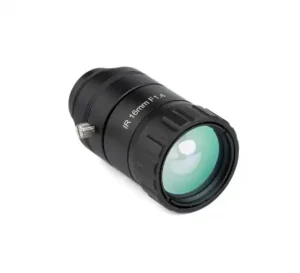
Germanium optics are commonly used in LWIR systems because of their good infrared transmission and suitability for thermal imaging lenses. Other infrared materials can also be selected according to specific optical requirements.
- Security and surveillance cameras
- Building inspection
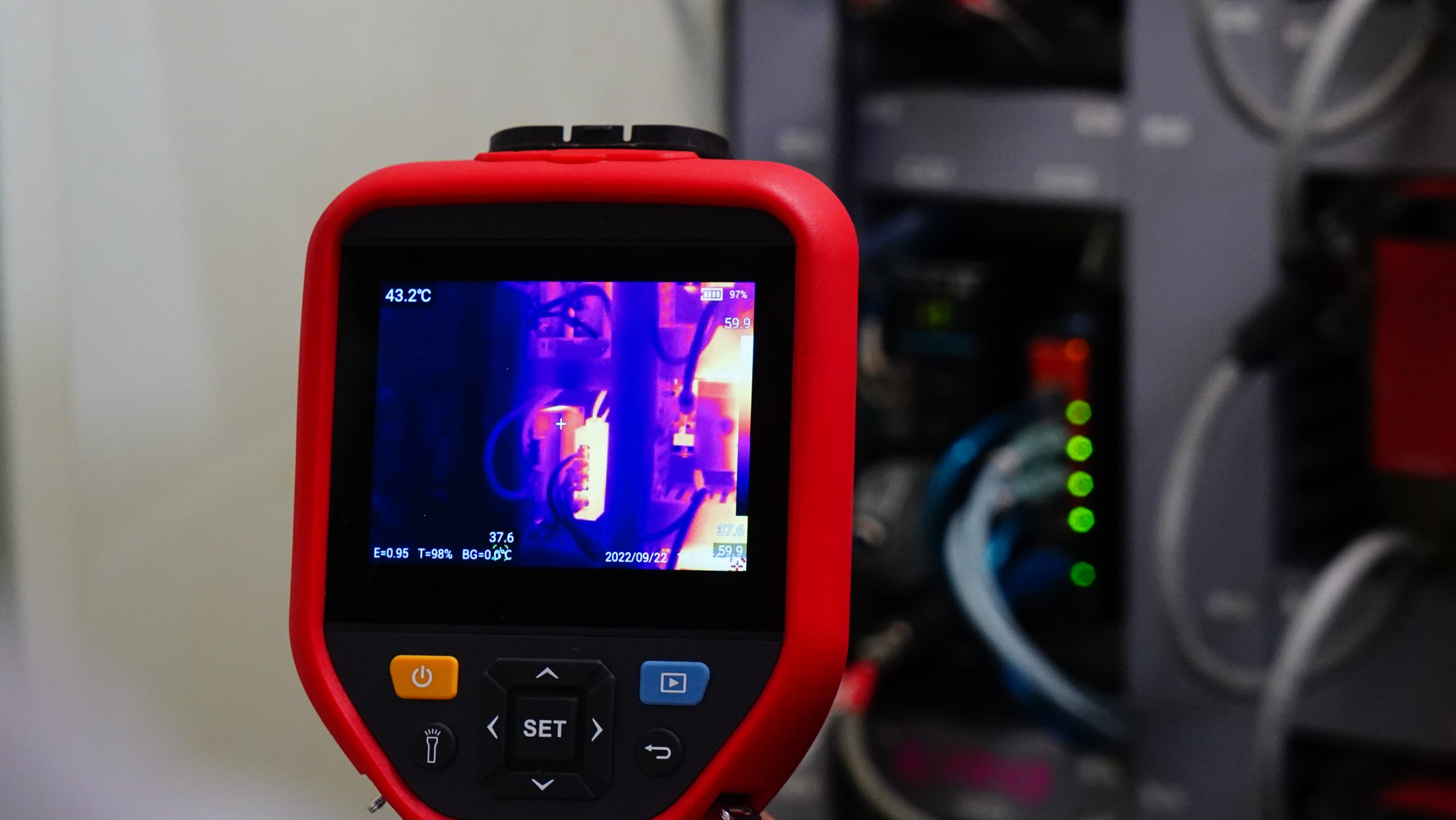
- Predictive maintenance
- Fire detection
- Industrial thermal monitoring
MWIR vs. LWIR: Key Differences
| Feature | MWIR | LWIR |
|---|---|---|
| Wavelength | 3–5 μm | 8–14 μm |
| Typical Use | Long-range and high-temperature detection | General thermal imaging |
| Common Materials | Ge, Si, ZnSe, ZnS | Ge, ZnSe, ZnS |
| Typical Applications | Target detection, gas detection, industrial inspection | Surveillance, building inspection, temperature monitoring |
Choosing the Right Infrared Optics
The choice between MWIR and LWIR depends on the target temperature, detection range, environmental conditions, detector type, and required imaging performance.
For custom thermal imaging systems, selecting the appropriate infrared lenses, windows, filters, and optical materials is essential for achieving reliable transmission and image quality.