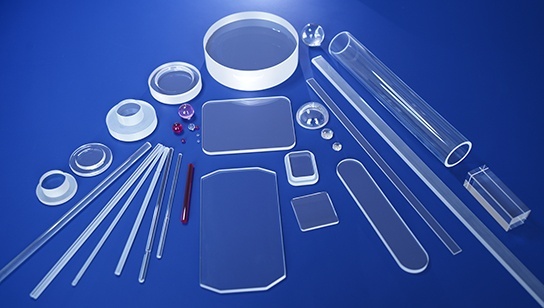
Spherical Lenses in Medical Devices Application Trends
With the rapid advancement of medical technology, optical components are becoming increasingly important in modern healthcare equipment. Among them, spherical lenses play a vital role in imaging systems, laser devices, diagnostic instruments, and minimally invasive surgical equipment. Their ability to focus, collimate, and transmit light accurately makes them indispensable in medical optics.
As the global medical industry continues to demand higher imaging precision, smaller device sizes, and smarter diagnostic systems, the application of spherical lenses in medical devices is expanding rapidly.
This article explores the major applications, current trends, and future development prospects of spherical lenses in the medical field.
What Are Spherical Lenses?
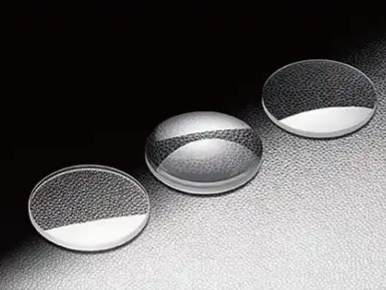
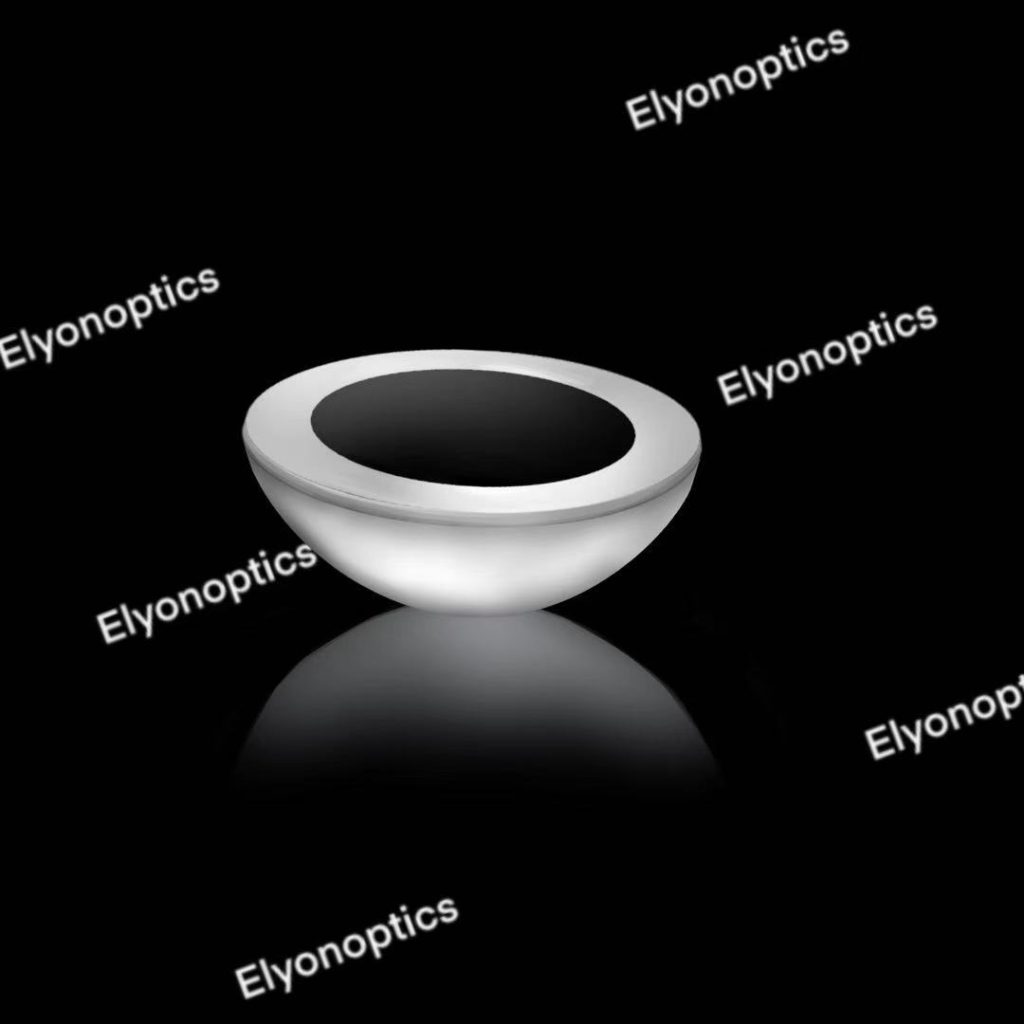
Spherical lenses are optical lenses whose surfaces are portions of a sphere. They are commonly divided into:
- Convex lenses
- Concave lenses
- Plano-convex lenses
- Double-convex lenses
- Meniscus lenses
These lenses are widely used to manipulate light paths in optical systems. In medical devices, they help improve image clarity, laser accuracy, and optical efficiency.
Major Applications of Spherical Lenses in Medical Devices
Medical Imaging Systems
Spherical lenses are extensively used in medical imaging equipment, including:
- Endoscopes
- Microscopes
- Ophthalmic imaging systems
- CT and MRI auxiliary optical systems
- Dental imaging equipment
High-quality spherical lenses enhance image resolution and reduce optical distortion, helping doctors obtain clearer diagnostic images.
Endoscopic and Minimally Invasive Surgery
Modern minimally invasive surgery relies heavily on compact optical systems. Spherical lenses are essential components in:
- Rigid endoscopes
- Flexible endoscopes
- Laparoscopic imaging systems
They provide precise light transmission and high-definition imaging while allowing smaller instrument sizes.
As hospitals increasingly adopt minimally invasive procedures, demand for precision optical lenses continues to grow.
Laser Medical Equipment
Medical laser systems use spherical lenses for beam focusing and energy control. Common applications include:
- Dermatology lasers
- Ophthalmic laser surgery
- Dental laser equipment
- Cosmetic laser devices
- Tumor treatment systems
High-precision spherical lenses improve laser stability and treatment accuracy while minimizing damage to surrounding tissue.
Ophthalmology Equipment
Ophthalmic instruments require extremely accurate optical performance. Spherical lenses are widely used in:
- Slit lamps
- Fundus cameras
- Optical coherence tomography (OCT)
- Vision testing systems
The increasing global demand for eye care solutions is driving further growth in precision optical components.
Diagnostic and Analytical Instruments
Medical laboratories and diagnostic devices often rely on optical sensing systems. Spherical lenses are used in:
- Blood analyzers
- Fluorescence detection systems
- Spectroscopy instruments
- DNA analysis equipment
Their role in improving optical signal accuracy is critical for modern diagnostics.
Current Trends in Medical Optical Lens Technology
Miniaturization of Medical Devices
Portable and wearable medical devices are becoming more popular. Manufacturers are demanding:
- Smaller optical components
- Lightweight lens systems
- Compact imaging modules
This trend pushes lens manufacturers to develop ultra-precision miniature spherical lenses.
Higher Imaging Resolution
Healthcare providers increasingly require high-definition imaging for accurate diagnosis. As a result, optical systems now demand:
- Lower aberration
- Higher transmission efficiency
- Better surface quality
- Precision polishing technologies
Advanced spherical lenses help meet these strict imaging requirements.
Growth of AI-Assisted Medical Imaging
Artificial intelligence is transforming medical diagnostics. AI-powered systems depend heavily on high-quality optical data collection.
This creates higher standards for lens performance in:
- Smart imaging devices
- Automated diagnostic systems
- Robotic surgery platforms
Precision spherical lenses support reliable image acquisition for AI analysis.
Increasing Use of Laser-Based Treatments
Laser therapies are expanding across multiple medical specialties due to their precision and minimally invasive nature.
This drives growing demand for:
- High-power laser optics
- Infrared optical lenses
- Coated spherical lenses
- Heat-resistant optical materials
Future Development Prospects
Expansion of Telemedicine and Portable Healthcare
Portable diagnostic equipment and remote healthcare systems are becoming more important worldwide. Future medical devices will require:
- Compact optical assemblies
- Durable lens materials
- Low-cost mass production capabilities
Spherical lenses will remain key components in these portable systems.
Advanced Optical Materials
Future medical optics will increasingly use advanced materials such as:
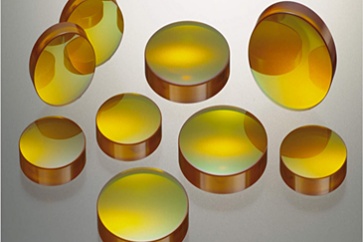
- Sapphire
- Fused silica
- ZnSe
- Infrared optical glass
- Biocompatible optical materials
These materials improve durability, chemical resistance, and optical performance.
Integration With Robotic Surgery
Robotic-assisted surgery continues to grow rapidly. Surgical robots require highly accurate optical guidance systems.
Spherical lenses will play a major role in:
- 3D surgical imaging
- Precision laser guidance
- Real-time visualization systems
Customized Medical Optics
Medical device manufacturers increasingly seek customized optical solutions for specialized applications.
Future trends include:
- Custom coatings
- Precision lens assemblies
- Application-specific optical designs
- OEM optical manufacturing
Challenges Facing the Industry
Although the market outlook is strong, manufacturers still face several challenges:
- Strict medical certification requirements
- High precision manufacturing costs
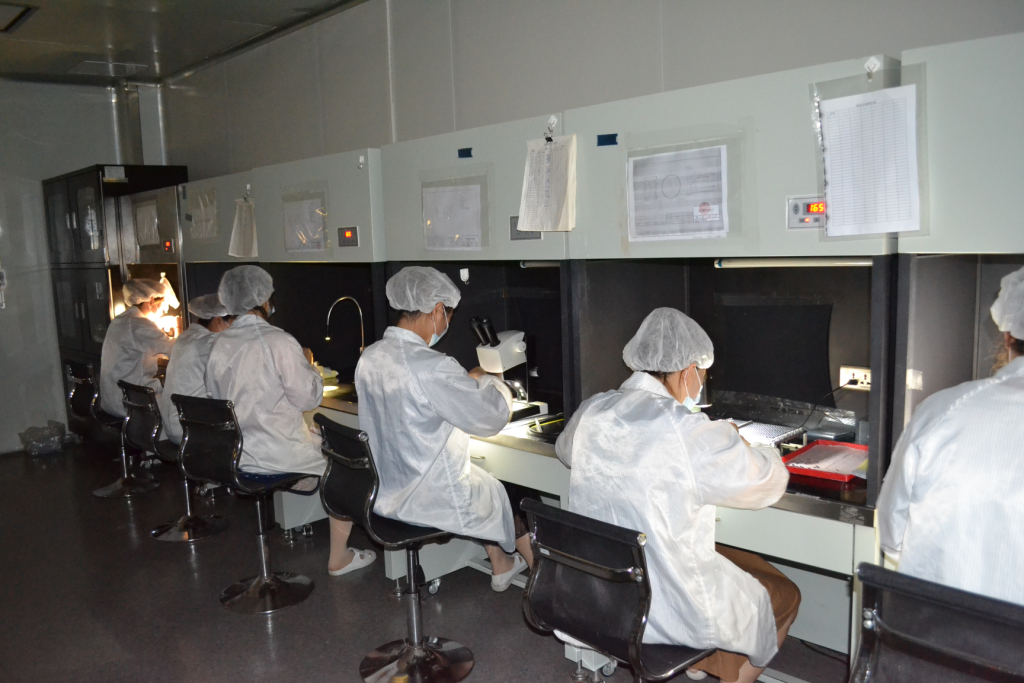
- Increasing demand for ultra-clean production environments
- Need for consistent optical quality
Companies investing in advanced CNC polishing, coating technologies, and quality control systems will have competitive advantages.
Conclusion
Spherical lenses are essential components in modern medical devices, supporting everything from imaging and diagnostics to laser surgery and minimally invasive treatment.
Driven by trends such as AI diagnostics, portable healthcare, robotic surgery, and high-resolution imaging, the global demand for precision medical optics will continue to grow.
For optical manufacturers and medical equipment suppliers, investing in high-quality spherical lens technology offers significant long-term opportunities in the rapidly evolving healthcare industry.