Precision Optical Lenses for Laser Beam Focusing
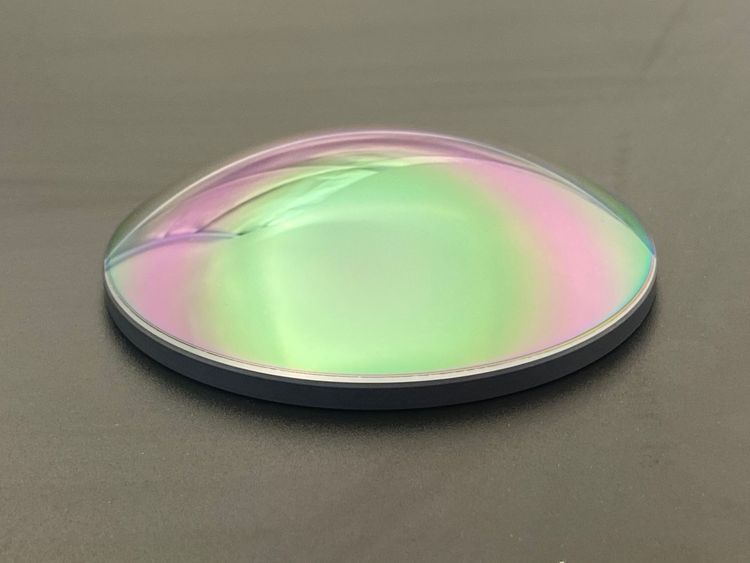
Laser beam focusing requires optical lenses with precise geometry, excellent surface quality, and stable optical performance. In laser processing systems, the focusing lens directly affects beam concentration, focal spot size, working distance, and overall processing accuracy.
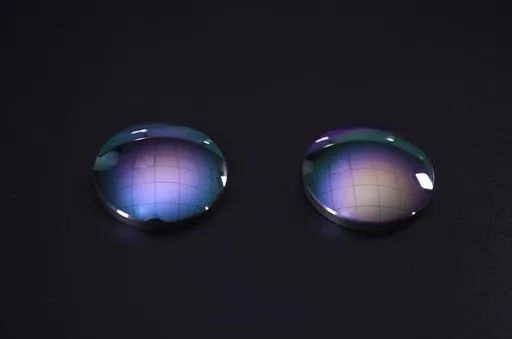
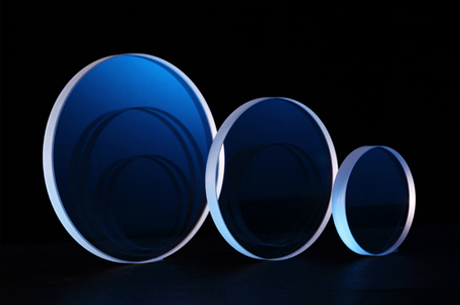
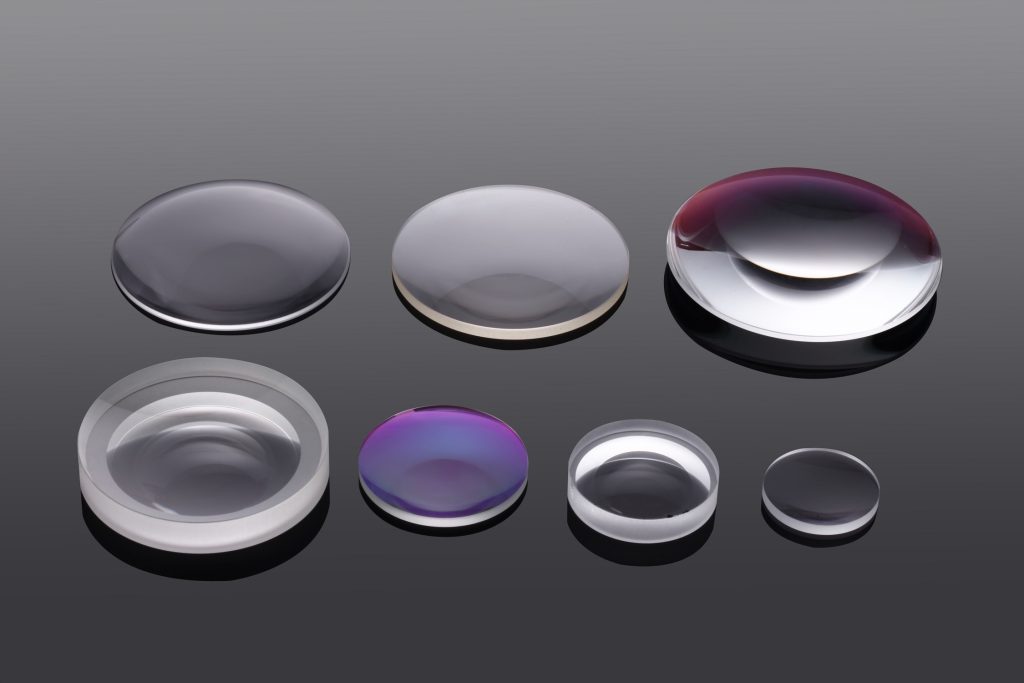
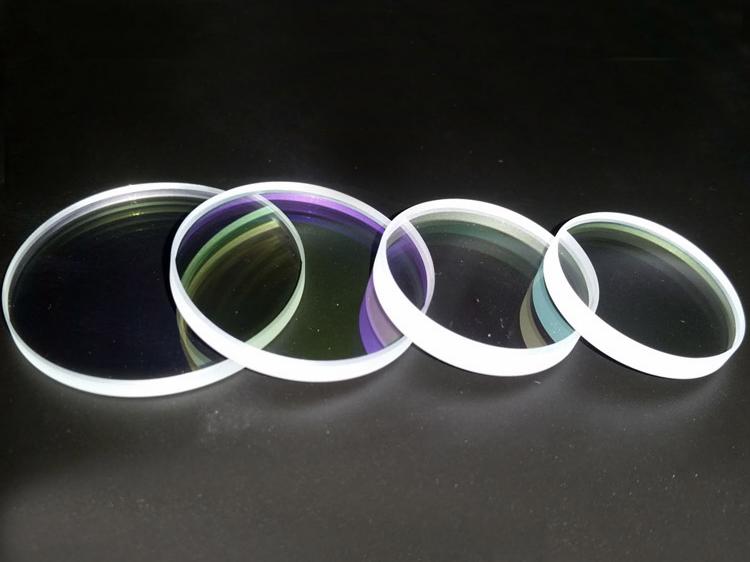
For applications such as laser cutting, welding, marking, engraving, and drilling, precision optical lenses for laser beam focusing provide controlled beam convergence and help maintain consistent processing performance.
Role of Precision Optical Lenses in Laser Focusing
A focusing lens changes the propagation path of a laser beam and concentrates the beam into a smaller focal region. The optical characteristics of the lens determine the position and size of the focal spot.
Important parameters include:
- Focal length
- Clear aperture
- Lens diameter
- Center thickness
- Surface accuracy
- Surface quality
- Coating performance
- Material transmission range
The correct combination of these parameters is essential for achieving a stable and concentrated laser beam.
Focal Length and Beam Concentration
Focal length is one of the most important specifications for a laser focusing lens.
Shorter focal lengths generally produce a smaller focal spot and higher energy density, making them suitable for applications requiring fine processing. Longer focal lengths provide a larger working distance and can be advantageous when processing thicker materials or when additional clearance is required.
Typical laser focusing applications may use different focal lengths according to the laser source, beam diameter, material, and processing requirements.
Optical Materials for Laser Focusing Lenses
The optical material should match the laser wavelength and power level.
Fused Silica
Fused silica offers excellent transmission across a wide spectral range and is commonly used in UV and high-power laser applications. Its good thermal properties also make it suitable for demanding laser systems.
BK7 Optical Glass
BK7 provides good optical performance in visible and near-infrared applications. It is widely used where high optical quality and cost efficiency are required.
CaF₂
Calcium fluoride has excellent transmission in the UV and infrared regions. It is often selected for specialized laser systems operating outside the visible spectrum.
ZnSe
Zinc selenide is widely used for infrared laser applications, particularly CO₂ laser systems. Its high infrared transmission makes it a common material for industrial laser focusing optics.
Silicon
Silicon optical components are mainly used in infrared applications. They can be suitable for systems operating in specific IR wavelength ranges.
Coatings for Laser Focusing Lenses
Anti-reflective coatings are important for reducing reflection losses and improving laser transmission.
The coating should be designed according to the operating wavelength, such as:
- UV laser wavelengths
- 532 nm green laser
- 632.8 nm red laser
- 1064 nm fiber laser
- 10.6 μm CO₂ laser
For high-power laser systems, coating durability and laser-induced damage resistance are particularly important.
Surface Quality and Optical Accuracy
Laser focusing performance is strongly affected by the quality of the optical surface.
Important specifications include:
Surface Accuracy
Controls deviations from the designed optical geometry and affects beam quality.
Surface Quality
Low levels of scratches and digs help minimize scattering and unwanted optical losses.
Centering Accuracy
Accurate centering helps maintain the intended optical axis and reduces beam deviation.
Dimensional Tolerance
Consistent diameter and thickness tolerances are important for proper integration into laser optical assemblies.
Precision Optical Lens Specifications
When selecting a focusing lens, buyers commonly evaluate the following specifications:
| Specification | Importance |
|---|---|
| Material | Determines wavelength transmission and thermal performance |
| Focal Length | Controls focusing characteristics and working distance |
| Diameter | Determines optical aperture |
| Wavelength | Must match the laser source |
| Coating | Improves transmission and reduces reflection |
| Surface Quality | Reduces scattering and optical losses |
| Surface Accuracy | Influences beam quality |
| Centering | Maintains optical axis accuracy |
| Laser Damage Threshold | Important for high-power systems |
Custom Precision Optical Lenses
Different laser systems require different optical configurations. Standard focusing lenses may not always meet the requirements of specialized equipment.
Custom optical lenses can be manufactured according to specific requirements for:
- Focal length
- Diameter
- Material
- Wavelength
- Coating
- Surface accuracy
- Surface quality
- Dimensional tolerance
Custom solutions are particularly useful for OEM laser equipment, industrial processing systems, machine vision equipment, and specialized optical instruments.
Choosing the Right Precision Optical Lens
The laser wavelength should be considered first, followed by laser power, beam diameter, focal length, working distance, and required spot size.
For industrial applications, coating durability, laser damage resistance, environmental stability, and manufacturing tolerances are also important factors.
A properly specified precision optical lens for laser beam focusing can help improve beam stability, processing consistency, and the overall performance of laser equipment.