Optical Components for IR Temperature Sensors
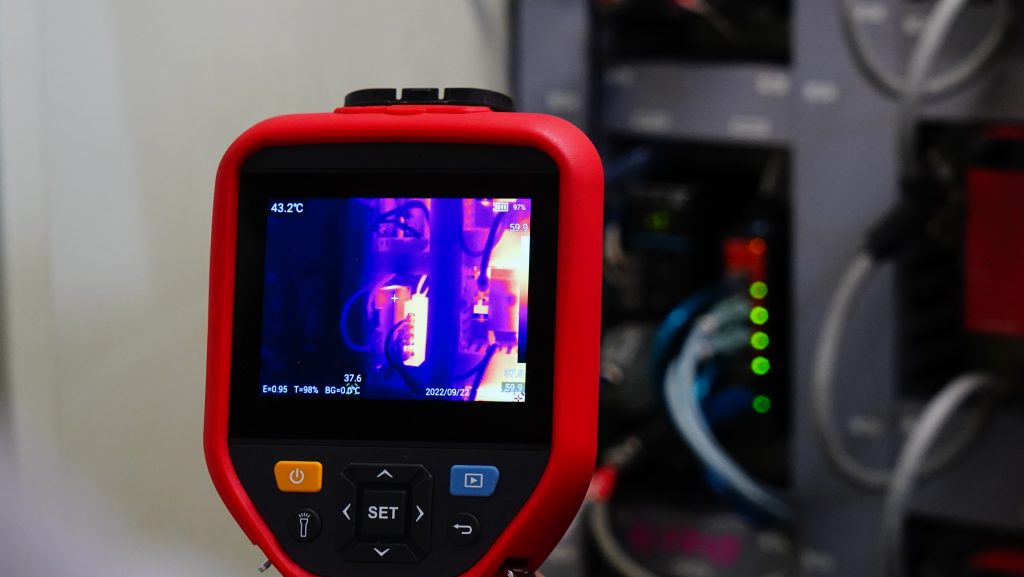
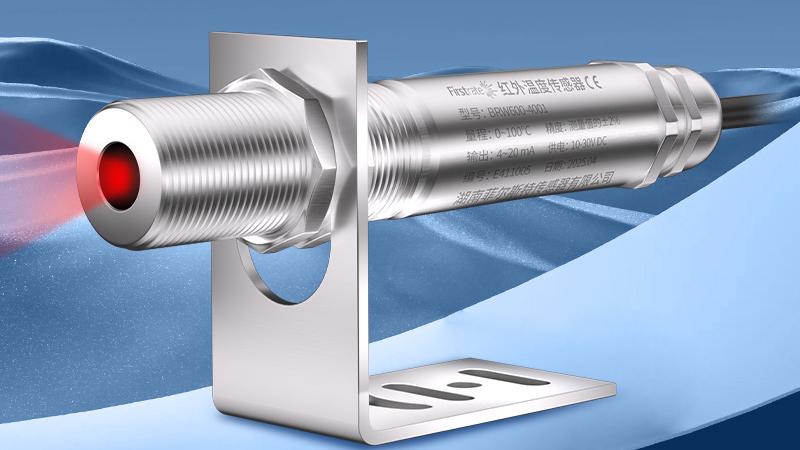
Infrared (IR) temperature sensors have become an important solution for non-contact temperature measurement across industrial automation, medical equipment, consumer electronics, automotive systems, and smart manufacturing. By detecting infrared radiation emitted by an object, these sensors can measure temperature without physical contact.
However, the performance of an IR temperature sensor depends not only on the detector and electronics. Optical components play a critical role in collecting, filtering, focusing, and transmitting infrared radiation to the sensing element.
From IR lenses and windows to optical filters and reflective components, the right optical design can significantly improve measurement accuracy, field of view, signal strength, and overall sensor reliability.
What Are Optical Components for IR Temperature Sensors?
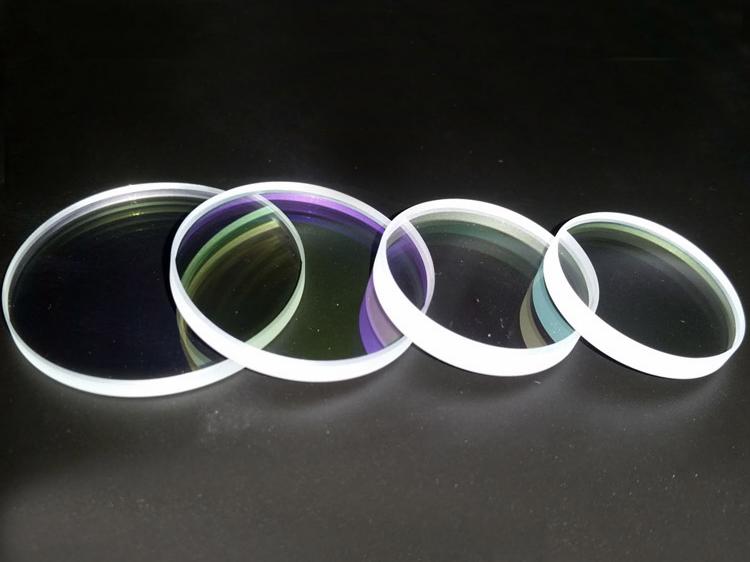
Optical components for IR temperature sensors are specially designed elements that manage infrared radiation before it reaches the detector.
Typical components include:
- Infrared lenses
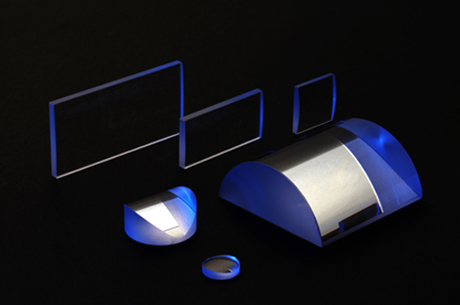
- IR windows
- Optical filters
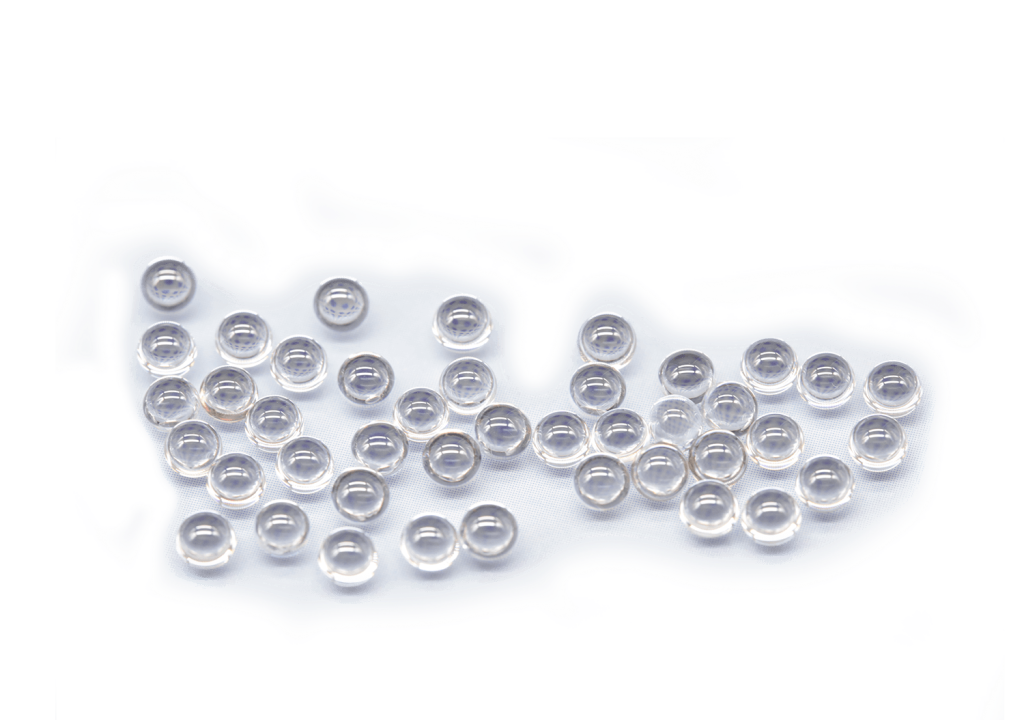
- Focusing lenses
- Protective windows
- Reflective optics
- Beam-shaping components
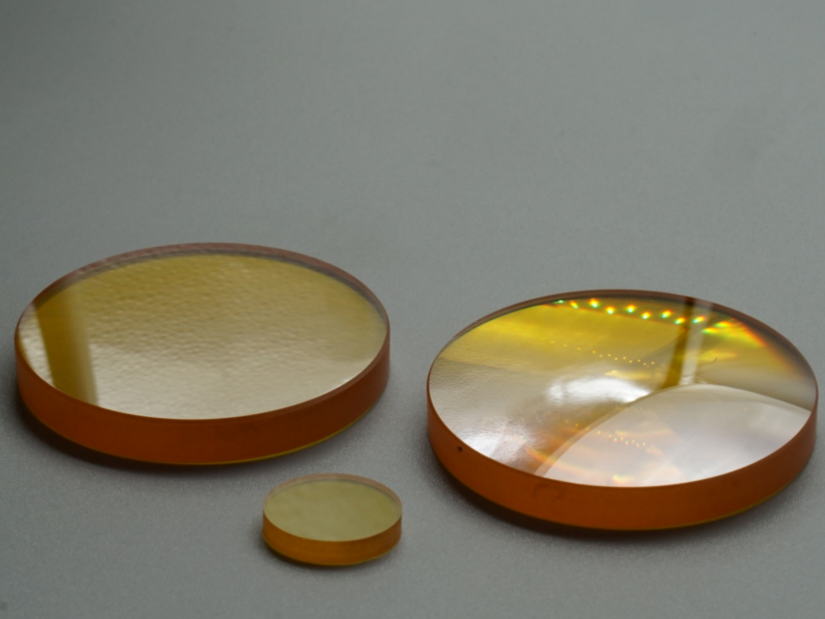
These components are usually manufactured from materials with good infrared transmission characteristics, such as germanium, silicon, chalcogenide glass, and other specialized IR optical materials.
The selection of optical material and component design depends on the sensor’s operating wavelength, temperature range, required accuracy, field of view, and environmental conditions.
Why Optical Components Matter
The optical path is one of the most important parts of an infrared temperature measurement system.
A high-quality optical component can help the sensor:
1. Improve Infrared Transmission
The optical component must transmit the required infrared wavelength efficiently. Low transmission can reduce the amount of radiation reaching the detector and weaken the measurement signal.
For this reason, the optical material should be selected according to the sensor’s spectral range.
2. Define the Field of View
The lens determines how much of the target area is measured by the sensor.
A narrow field of view is useful when measuring small or distant targets, while a wider field of view can be suitable for larger surfaces or applications where precise alignment is difficult.
Proper optical design also helps reduce unwanted radiation from surrounding objects.
3. Focus Infrared Radiation
An IR lens focuses radiation onto the detector, improving the optical signal collected by the sensing element.
Accurate focusing becomes particularly important in applications requiring small measurement spots or long-distance temperature measurement.
4. Protect the Sensor
In many industrial environments, the sensor may be exposed to dust, moisture, chemicals, mechanical impact, or high temperatures.
An IR window or protective optical element can provide an additional barrier while maintaining adequate infrared transmission.
Common Optical Materials
Different infrared applications require different optical materials.
Germanium
Germanium is widely used for infrared optical components because of its good transmission in important IR wavelength ranges and relatively high refractive index.
It is commonly used for:
- IR lenses
- Thermal imaging optics
- Infrared windows
- Temperature measurement systems
Germanium can also be coated to improve transmission and environmental durability.
Silicon
Silicon offers good infrared transmission over selected wavelength ranges and is often used in compact infrared optical systems.
Its mechanical strength and relatively low material cost can make it attractive for certain high-volume applications.
Chalcogenide Glass
Chalcogenide glass is increasingly used in infrared optics because it can provide useful transmission characteristics while enabling flexible optical designs.
It can be suitable for compact IR lenses and sensors where weight, size, and manufacturing flexibility are important.
Optical Filters for IR Temperature Sensors
Optical filters are another important component in infrared temperature measurement systems.
A filter can selectively transmit specific wavelengths while blocking unwanted radiation.
This can help improve measurement performance by reducing interference from:
- Visible light
- Unwanted infrared wavelengths
- Ambient radiation
- Background sources
Depending on the application, IR sensors may use bandpass filters, long-pass filters, short-pass filters, or custom spectral filters.
The filter specification should be carefully matched to the detector and measurement wavelength.
Key Parameters When Selecting IR Optical Components
When choosing optical components for an IR temperature sensor, several technical parameters should be considered.
Spectral Range
The optical component must provide suitable transmission over the sensor’s operating wavelength.
Transmittance
Higher transmission generally allows more infrared radiation to reach the detector, helping maintain a strong optical signal.
Field of View
The field of view determines the area measured by the sensor. It should be selected according to the target size and measurement distance.
Focal Length
Focal length affects focusing performance, field of view, and measurement spot size.
Surface Quality
Surface quality can influence optical performance and signal consistency, especially in precision applications.
Coating
Anti-reflection (AR) coatings can significantly improve transmission within the required wavelength range. Protective coatings may also improve resistance to environmental conditions.
Environmental Stability
For industrial temperature sensors, optical components may need to withstand temperature changes, humidity, dust, vibration, and chemical exposure.
Applications of IR Optical Components
IR optical components are used in a wide range of non-contact temperature measurement applications.
Industrial Temperature Monitoring
Infrared temperature sensors can monitor machinery, production lines, electrical equipment, and high-temperature processes without direct contact.
Medical and Healthcare Devices
Non-contact temperature measurement is widely used in medical instruments and thermal monitoring systems.
Automotive Applications
IR sensing technology can support thermal monitoring and temperature measurement in automotive and electric vehicle systems.
Consumer Electronics
Compact IR temperature sensors are increasingly integrated into portable and smart electronic devices.
Smart Manufacturing
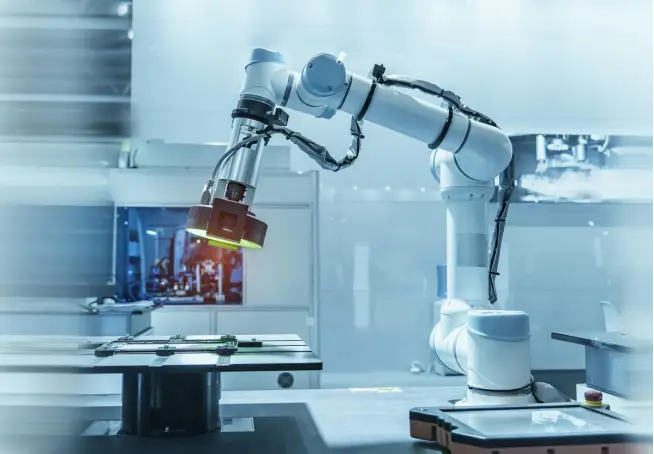
In automated production environments, infrared temperature sensors can provide real-time thermal information for process monitoring and quality control.
Custom IR Optical Solutions
Different temperature sensing applications often require different optical specifications. Standard optical components may not always provide the required combination of wavelength, field of view, focal length, dimensions, and environmental performance.
Custom optical components can be designed according to specific sensor requirements.
Depending on the application, customization may include:
- Lens diameter and geometry
- Focal length
- Field of view
- Infrared wavelength range
- Optical coating
- Surface quality
- Mechanical dimensions
- Mounting configuration
- Environmental requirements
Working with an experienced optical manufacturer can help engineers optimize both the optical performance and mechanical integration of the sensor.
Conclusion
Optical components are a fundamental part of IR temperature sensor systems. The right lens, window, filter, or optical material can improve infrared transmission, measurement accuracy, field of view, and sensor reliability.
When developing an infrared temperature sensor, optical design should therefore be considered together with the detector, electronics, mechanical structure, and application environment.
By selecting the appropriate IR optical materials, lens design, coatings, and spectral filters, manufacturers can develop more accurate and reliable non-contact temperature measurement solutions for a wide range of applications.
If you are looking for custom optical components for IR temperature sensors, selecting a supplier with experience in infrared materials, optical design, precision manufacturing, and coating technology can help ensure that the final component meets your specific performance requirements.