What Are Sapphire Windows? A Complete Guide to Properties and Applications
Introduction
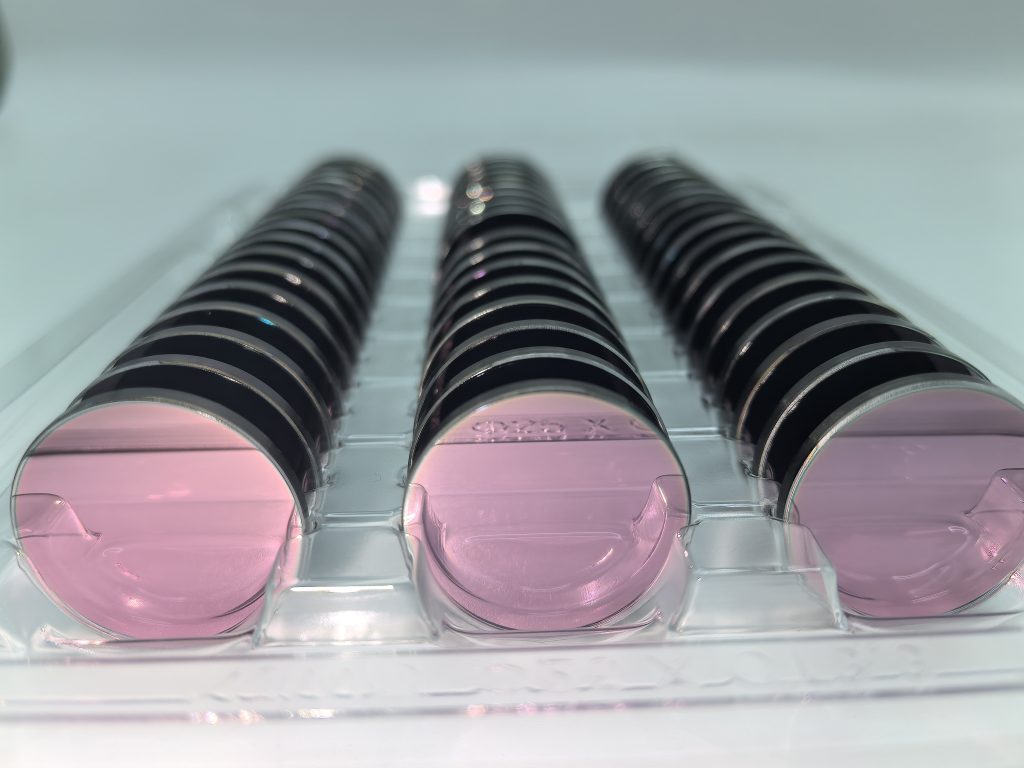
Sapphire windows, also known as sapphire optical windows, are high-performance components widely used in demanding industrial and optical environments. Thanks to their exceptional hardness, thermal stability, and optical transmission, sapphire windows have become a preferred choice in industries such as aerospace, defense, semiconductor manufacturing, and laser systems.
In this article, we will explore what sapphire windows are, their key material properties, and where they are commonly used.
What Are Sapphire Windows?
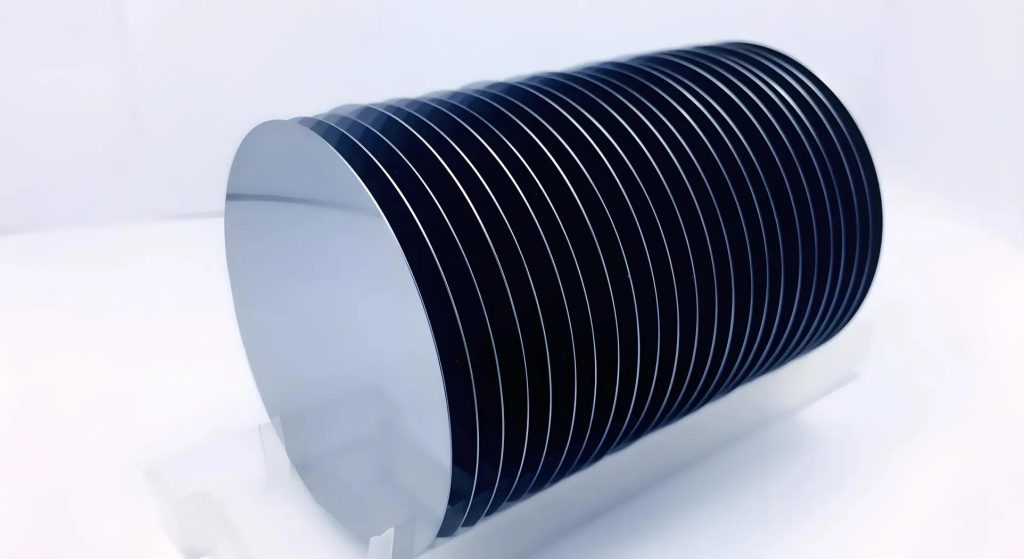
Sapphire windows are optical components made from synthetic sapphire, a single-crystal form of aluminum oxide (Al₂O₃). Unlike standard glass or quartz, sapphire is grown through specialized processes such as the Kyropoulos or Czochralski method, resulting in a highly durable and optically transparent material.
These windows are designed to protect sensors, cameras, or optical systems while allowing light to pass through with minimal distortion.
Key Material Properties of Sapphire Windows
1. Exceptional Hardness
Sapphire ranks 9 on the Mohs hardness scale, second only to diamond. This makes sapphire windows extremely resistant to scratches and abrasion, even in harsh environments like sand, dust, or high-pressure systems.
2. Wide Optical Transmission Range
Sapphire windows offer excellent transmission across a broad spectrum:
- UV range: ~150 nm
- Visible light: High transparency
- Infrared range: Up to ~5.5 μm
This makes them suitable for both optical and infrared applications.
3. High Thermal Resistance
Sapphire can withstand temperatures exceeding 1,000°C, maintaining structural integrity and optical performance. It also has excellent thermal conductivity, helping dissipate heat efficiently.
4. Chemical Resistance
Sapphire is highly resistant to acids, alkalis, and other corrosive chemicals. This makes it ideal for use in aggressive industrial or chemical processing environments.
5. High Mechanical Strength
Compared to glass, sapphire windows have significantly higher compressive strength and can endure high-pressure conditions, making them suitable for deep-sea and high-pressure applications.
Common Applications of Sapphire Windows
1. Aerospace and Defense
Sapphire windows are used in missile domes, sensor protection, and surveillance systems due to their durability and ability to withstand extreme conditions.
2. Semiconductor Industry
In semiconductor processing equipment, sapphire windows protect optical sensors and cameras from high temperatures and corrosive gases.
3. Laser and Optical Systems
Sapphire windows are widely used in laser equipment as protective windows, ensuring high transmission while preventing contamination or damage to internal components.
4. Harsh Industrial Environments
Industries such as oil & gas, mining, and chemical processing use sapphire windows in high-pressure and high-temperature systems where conventional materials would fail.
5. Medical and Scientific Instruments
Due to their optical clarity and durability, sapphire windows are used in analytical instruments, imaging systems, and medical devices.
Sapphire vs. Quartz vs. Glass Windows
| Property | Sapphire | Quartz | Glass |
|---|---|---|---|
| Hardness | Very High (9) | Medium | Low |
| Temperature Limit | >1000°C | ~1100°C | ~300–500°C |
| Chemical Resistance | Excellent | Good | Moderate |
| Cost | High | Medium | Low |
Sapphire is the best choice for extreme environments, while quartz and glass are more cost-effective for less demanding applications.
Customization Options
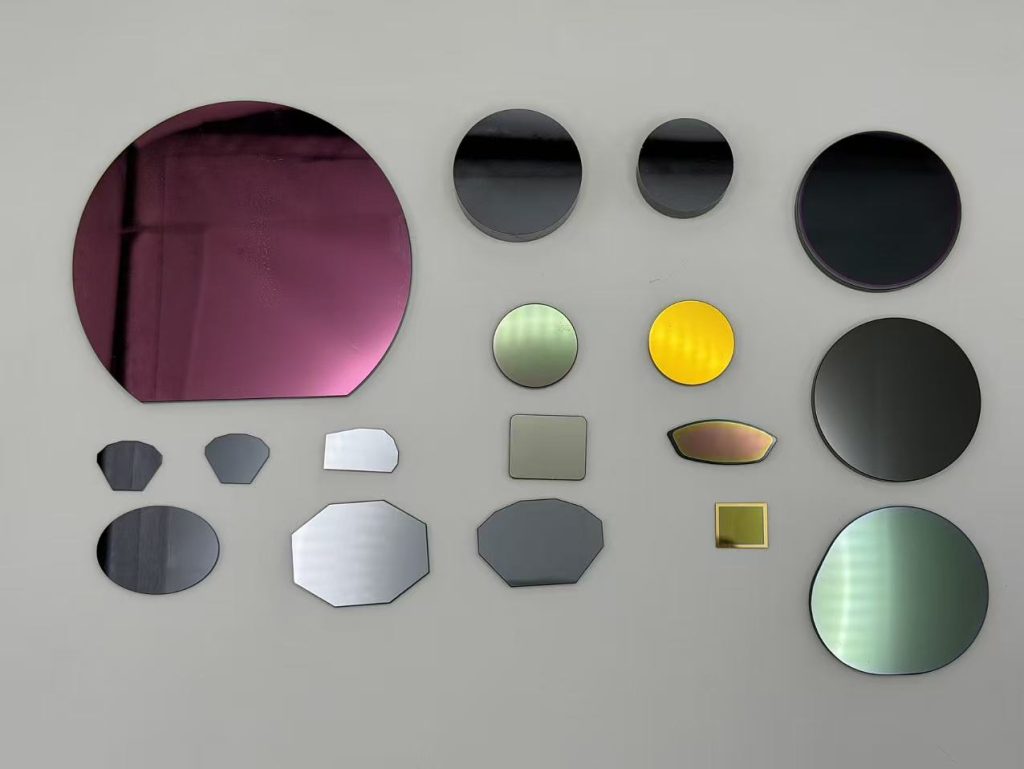
Sapphire windows can be customized based on specific application requirements, including:
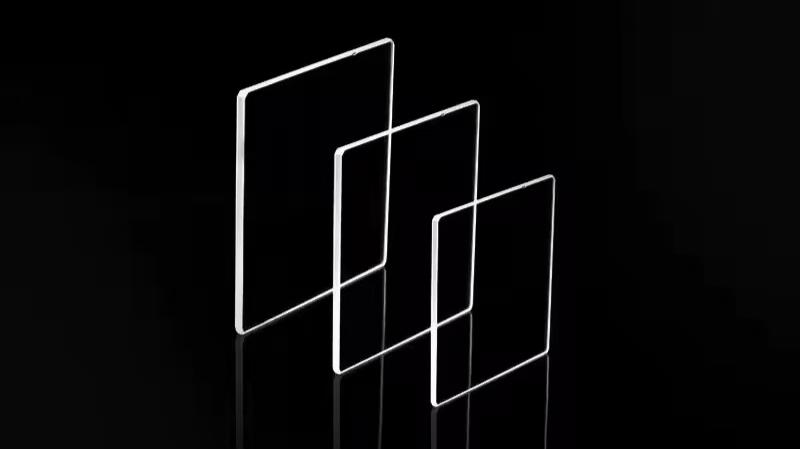
- Shapes: round, square, rectangular
- Sizes: from small optical components to large panels
- Thickness: depending on pressure resistance needs
- Surface quality: optical-grade polishing
- Coatings: anti-reflective (AR), infrared coatings
Conclusion
Sapphire windows are a premium solution for applications requiring superior durability, optical clarity, and resistance to extreme environments. Although they come at a higher cost, their long lifespan and performance advantages make them a valuable investment for many industries.
If your application involves high temperature, pressure, or corrosive conditions, sapphire windows are often the most reliable choice.