Why Germanium Lenses Are Essential for Thermal Imaging
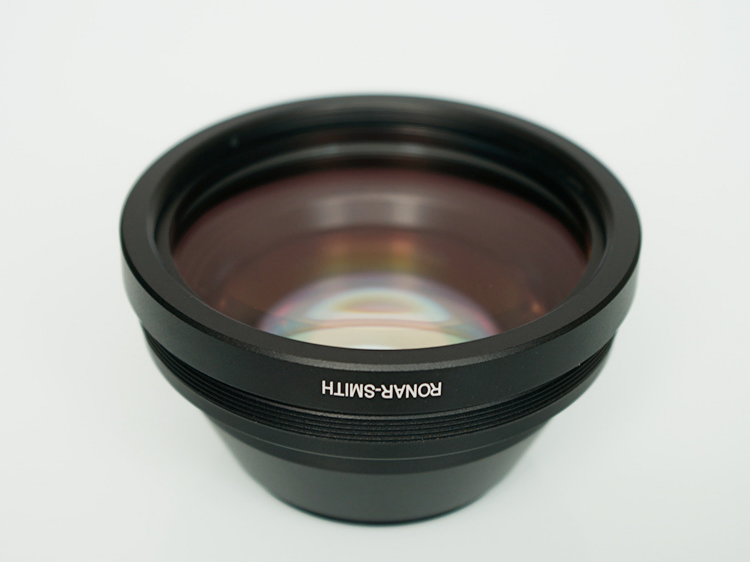
Thermal imaging technology has become an important tool in modern industries, from security monitoring and industrial inspection to medical diagnostics and military systems. At the core of many infrared optical systems is the Germanium Lens — a critical component that enables accurate thermal detection and high-quality infrared imaging.
In this article, we’ll explain why germanium lenses are widely used in thermal imaging systems, their advantages, applications, and how to choose the right infrared lens for your project.
What Is a Germanium Lens?
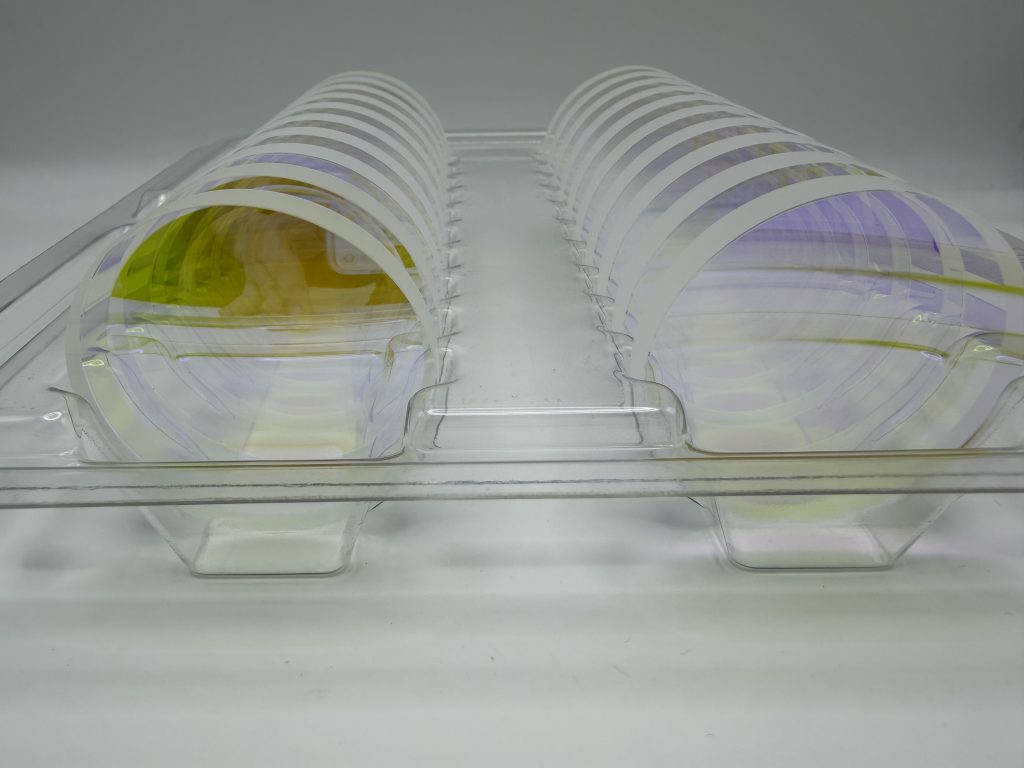
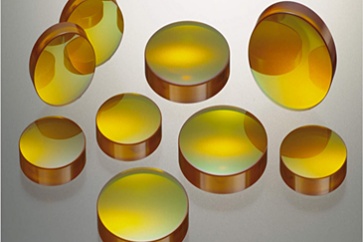
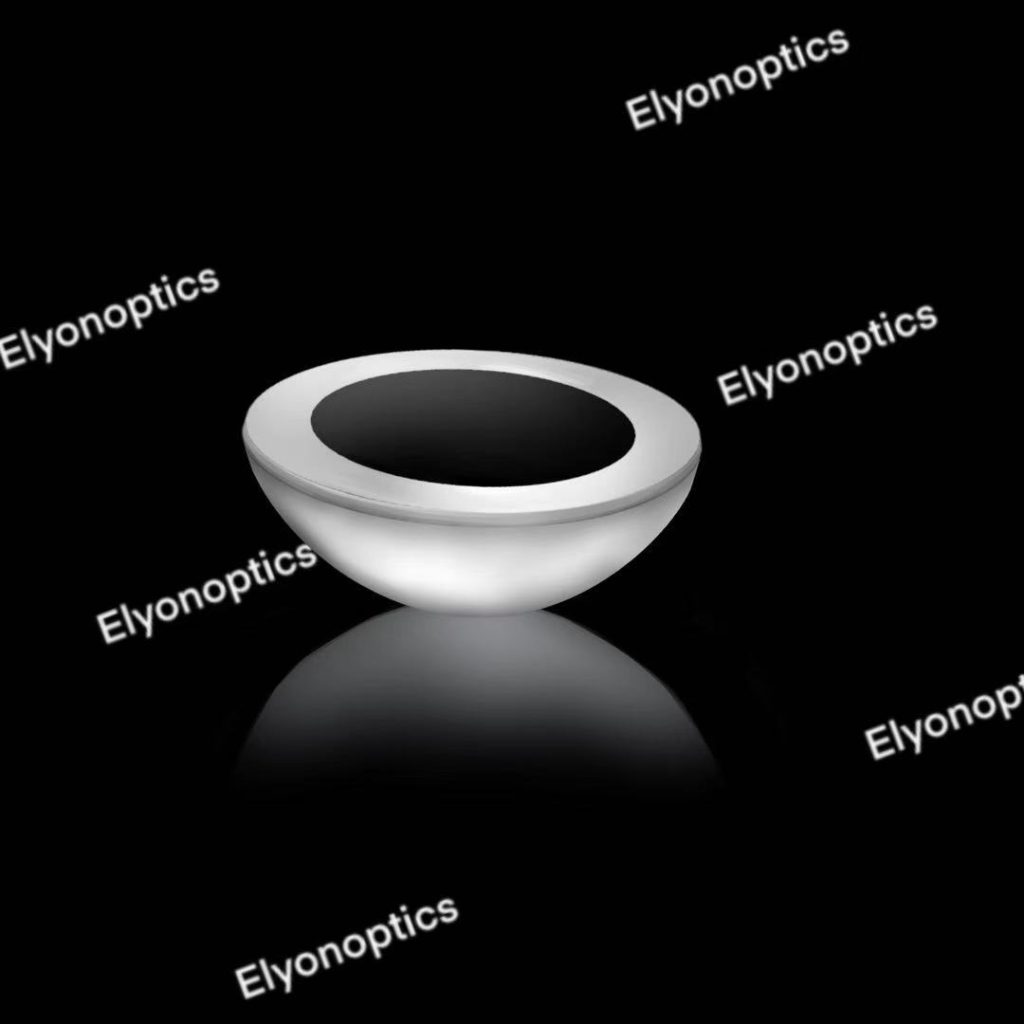
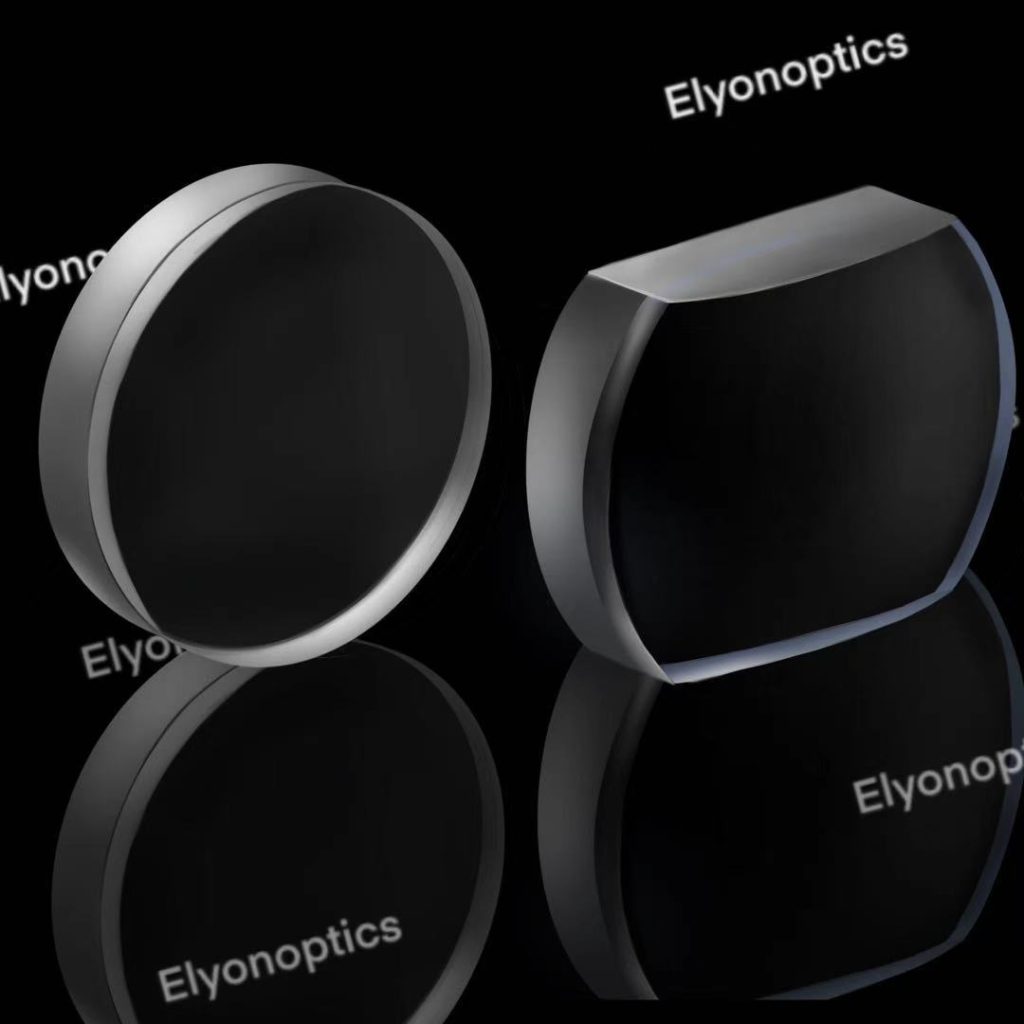
A germanium lens is an infrared optical lens made from high-purity germanium material. Unlike ordinary optical glass, germanium does not transmit visible light efficiently. Instead, it offers excellent transmission in the infrared spectrum, especially in the 8–14 μm wavelength range commonly used in thermal imaging cameras.
Because of these unique optical properties, germanium lenses are widely used in:
- Thermal imaging cameras
- Night vision systems
- Infrared sensors
- Military optics
- Industrial thermal inspection equipment
- Medical infrared devices
Why Thermal Imaging Systems Use Germanium Lenses
Excellent Infrared Transmission
One of the biggest reasons germanium lenses are essential for thermal imaging is their high infrared transmittance. Germanium can efficiently transmit long-wave infrared radiation, allowing thermal cameras to capture heat signatures clearly and accurately.
This makes germanium ideal for:
- Long-wave infrared (LWIR) systems
- Thermal surveillance
- Heat detection equipment
Without a high-quality infrared lens, thermal imaging systems cannot deliver sharp and reliable images.
Superior Optical Performance
Germanium Lens provides excellent optical performance for infrared applications. Germanium has:
- High refractive index
- Low optical dispersion
- Strong focusing capability
These characteristics help improve:
- Image sharpness
- Thermal sensitivity
- Detection accuracy
- Long-distance target recognition
For thermal cameras used in security or industrial monitoring, image clarity is extremely important.
Ideal for Harsh Industrial Environments
Germanium infrared lenses are commonly used in demanding environments because of their:
- High durability
- Strong thermal stability
- Resistance to corrosion
- Excellent mechanical strength
Industries such as metallurgy, mining, energy, and manufacturing rely on thermal imaging systems for predictive maintenance and equipment inspection. Germanium lenses can continue performing reliably even under high temperatures and harsh conditions.
Common Applications of Germanium Lenses
Thermal Imaging Cameras
Germanium lenses are the standard optical component used in thermal imaging cameras for:
- Security surveillance
- Fire detection
- Industrial inspection
- Building diagnostics
Night Vision Systems
Infrared germanium lenses help night vision equipment detect heat signatures in complete darkness, making them widely used in:
- Military systems
- Law enforcement
- Outdoor observation
Industrial Infrared Inspection
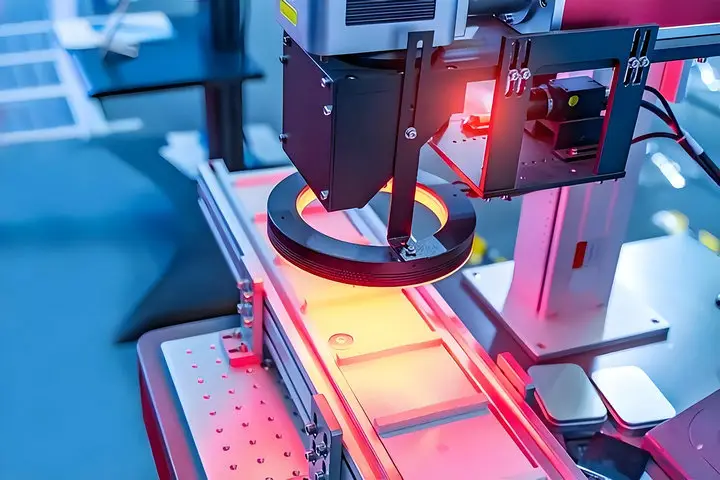
Factories and industrial facilities use thermal cameras with germanium optics to monitor:
- Electrical systems
- Mechanical equipment
- Furnace temperatures
- Production lines
Medical and Scientific Devices
Infrared optical systems with germanium lenses are also used in:
- Medical thermography
- Scientific research
- Laboratory imaging systems
Importance of Lens Coating
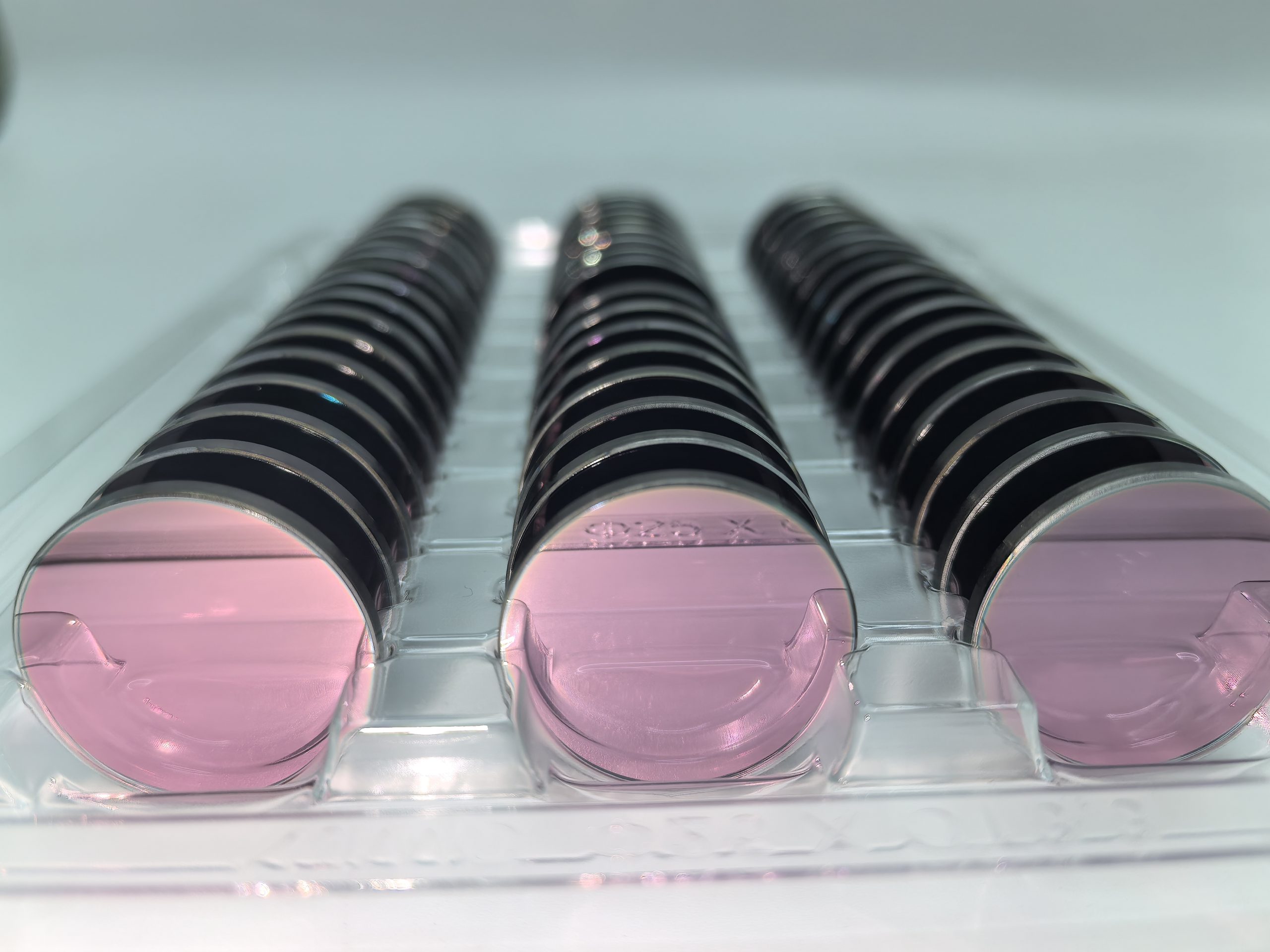
Most infrared germanium lenses include special coatings to improve performance. Common options include:
- AR coating (Anti-Reflection coating)
- DLC coating (Diamond-Like Carbon coating)
These coatings help:
- Increase infrared transmission
- Reduce reflection loss
- Improve scratch resistance
- Extend service life
DLC-coated germanium lenses are especially popular in outdoor and military applications because they offer excellent durability.
Germanium Lens vs Traditional Optical Glass
Compared with ordinary glass lenses, germanium lenses are specifically designed for infrared applications.
| Feature | Germanium Lens | Standard Optical Glass |
|---|---|---|
| Infrared Transmission | Excellent | Poor |
| Visible Light Transmission | Low | High |
| Thermal Imaging Use | Ideal | Not suitable |
| Refractive Index | High | Moderate |
| Infrared Applications | Yes | Limited |
This is why thermal imaging systems almost always rely on germanium infrared optics rather than conventional optical lenses.
How to Choose the Right Germanium Lens
When selecting a germanium lens for thermal imaging applications, buyers should consider:
- Wavelength range
- Lens diameter
- Focal length
- Coating type
- Surface quality
- Precision requirements
Custom infrared optical solutions are often needed for specialized thermal imaging equipment.
A reliable manufacturer can provide:
- Custom germanium lenses
- Precision infrared optics
- OEM thermal imaging lens solutions
- Coated infrared optical components
Conclusion
As thermal imaging technology continues to expand across industrial, security, and scientific fields, the demand for high-performance infrared optics is rapidly growing. Germanium Lens remains one of the most important components in thermal imaging systems due to its superior infrared transmission, optical performance, and durability.
Whether used in thermal cameras, night vision systems, or industrial inspection equipment, germanium lenses play a critical role in delivering accurate and reliable infrared imaging performance.
If you are looking for custom infrared optical components or high-quality germanium lenses, working with an experienced infrared optics manufacturer can help ensure the best performance for your application.