How to Choose the Right ZnSe Lens for Your Laser Machine
When it comes to CO₂ laser systems, the ZnSe lens (Zinc Selenide lens) plays a critical role in determining cutting quality, engraving precision, and overall machine efficiency. Choosing the right lens is not just about size—it directly affects beam focus, energy density, and final processing results.
In this guide, we will walk you through how to select the right ZnSe lens for your laser machine based on application, focal length, coating, and technical requirements.
1. What Is a ZnSe Lens?
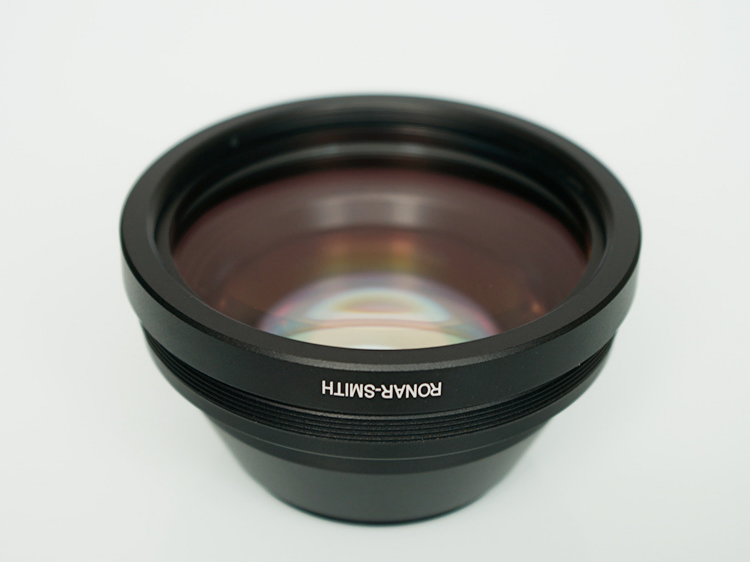
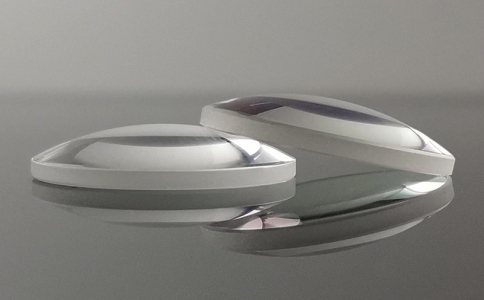
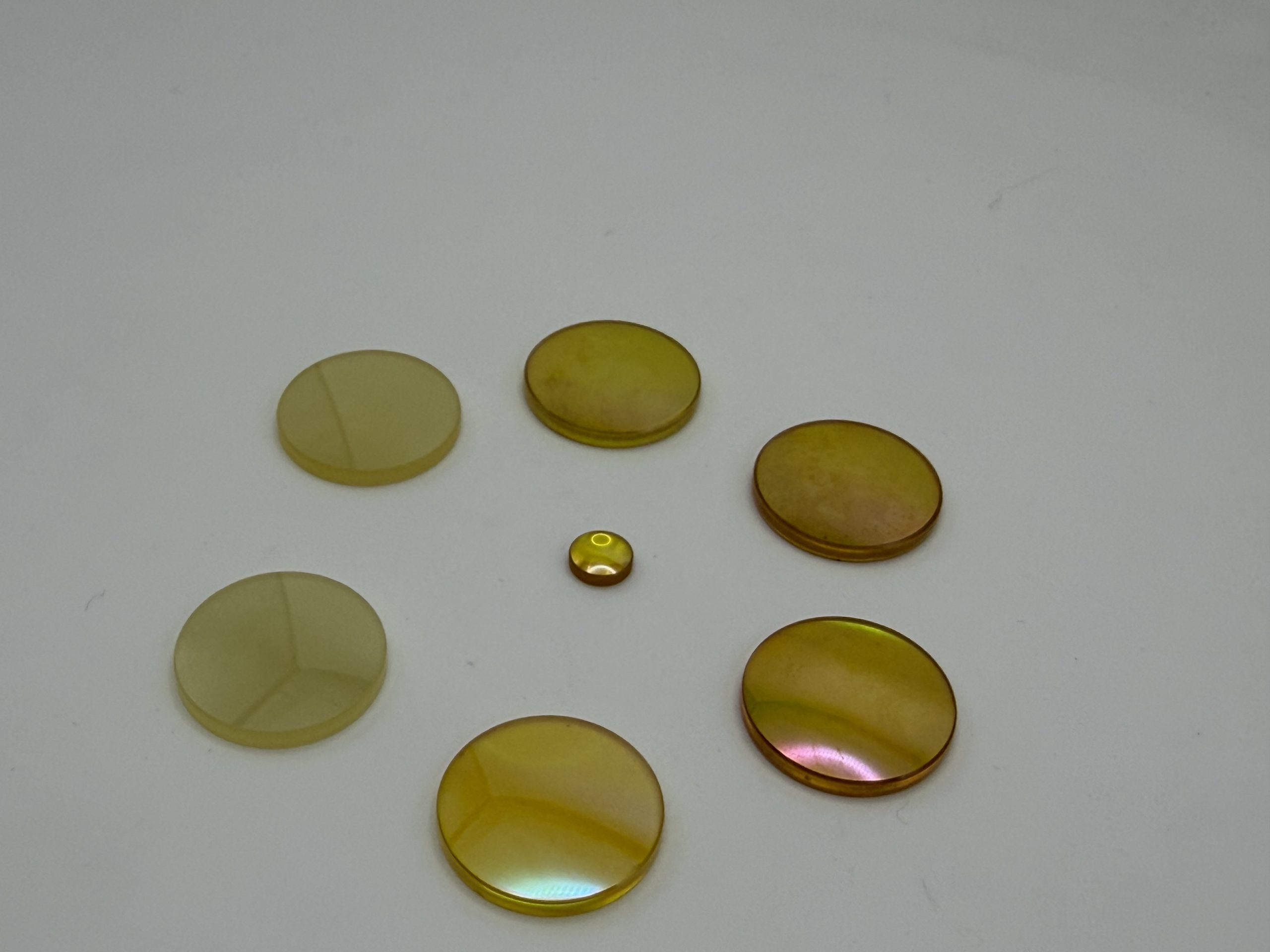
A ZnSe lens is an infrared optical lens made from Zinc Selenide material, widely used in CO₂ laser systems (10.6 μm wavelength).
It is known for:
- High infrared transmission efficiency
- Low absorption loss
- Excellent thermal stability
- Suitable for high-power laser applications
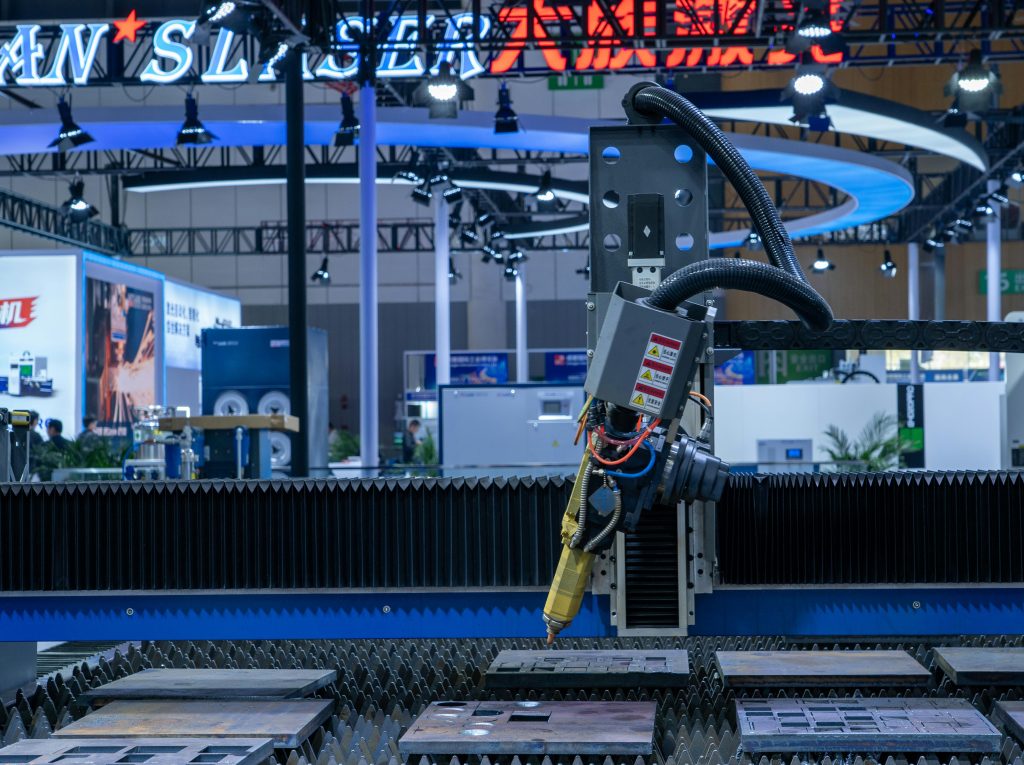
Because of these properties, ZnSe lenses are commonly used in laser cutting, engraving, welding, and industrial processing systems.
2. Why ZnSe Lens Matters in Laser Machines
The lens is responsible for focusing the laser beam into a precise spot. A high-quality ZnSe lens ensures:
- Cleaner cutting edges
- Higher energy concentration
- Faster processing speed
- Reduced material waste
- Longer machine lifespan
A poor-quality or incorrect lens can lead to beam distortion, overheating, and unstable cutting performance.
3. Key Factors to Consider When Choosing a ZnSe Lens
1) Focal Length
Focal length determines how the laser beam is focused.
Common options:
- 1.5” (38.1 mm) – Fine engraving, thin materials
- 2.0” (50.8 mm) – General-purpose cutting
- 2.5”–4.0” – Thicker materials, deeper cutting
👉 Short focal length = smaller spot size, higher precision
👉 Long focal length = deeper focus, better for thick materials
2) Lens Diameter
Lens size must match your laser head.
Typical diameters:
- 20 mm
- 25 mm
- 30 mm
Always confirm compatibility with your machine model before purchasing.
3) Coating Type
Most ZnSe lenses come with anti-reflective (AR) coatings.
Common types:
- Single-layer AR coating – Standard use
- Multi-layer AR coating – Higher transmission, better durability
A good coating reduces reflection loss and improves laser efficiency.
4) Power Rating
Different lenses are designed for different laser power levels.
- Low power (≤100W)
- Medium power (100W–500W)
- High power (500W+ industrial systems)
Using an under-rated lens may cause overheating or damage.
5) Application Type
Choose your lens based on your processing needs:
- Laser engraving → short focal length lens
- Thin sheet cutting → standard focal length
- Thick metal / industrial cutting → long focal length lens
4. Common Mistakes When Selecting ZnSe Lenses
Many users make mistakes such as:
- Choosing wrong focal length for material thickness
- Ignoring coating quality
- Using incompatible diameter size
- Selecting low-grade ZnSe material
- Overlooking power rating of laser system
These mistakes often result in poor cutting quality and frequent lens replacement.
5. ZnSe Lens vs Other Optical Materials
ZnSe lenses are widely preferred in CO₂ laser systems because:
- Better IR transmission than standard glass
- More stable under high temperature
- Higher efficiency in 10.6 μm wavelength range
Compared to other materials, ZnSe remains the industry standard for infrared laser optics.
6. Conclusion
Choosing the right ZnSe lens for your laser machine is essential for achieving high precision, stable performance, and long service life.
To summarize, you should always consider:
- Focal length
- Diameter
- Coating quality
- Laser power compatibility
- Application requirements
A properly selected ZnSe lens will significantly improve your laser machine’s efficiency and cutting quality.