ZnSe Lenses for CO2 Laser: Complete Buyer’s Guide
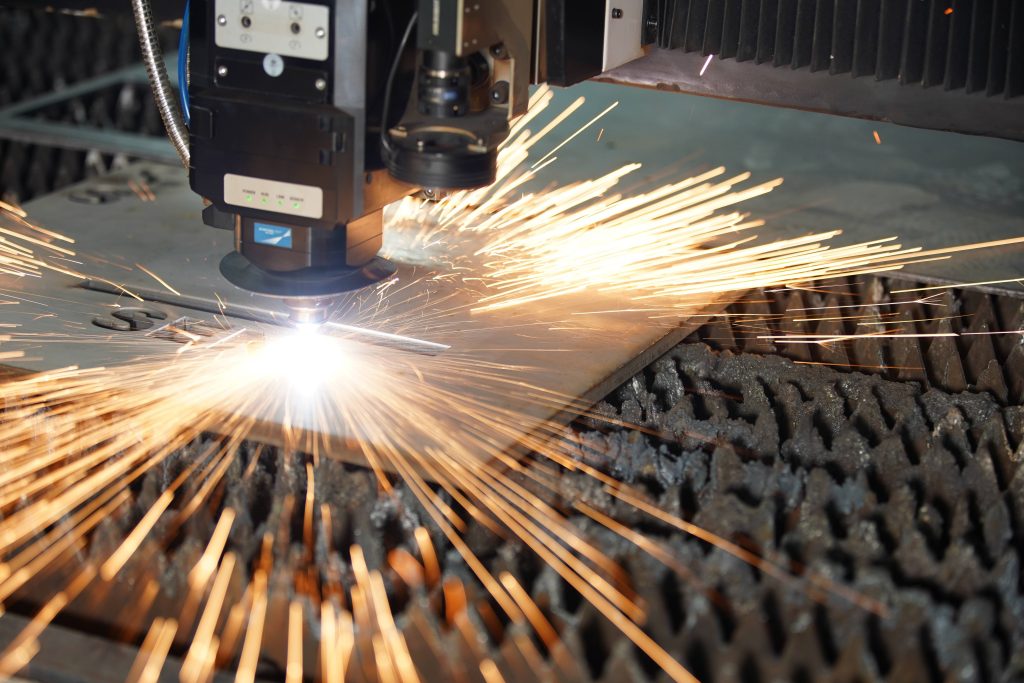
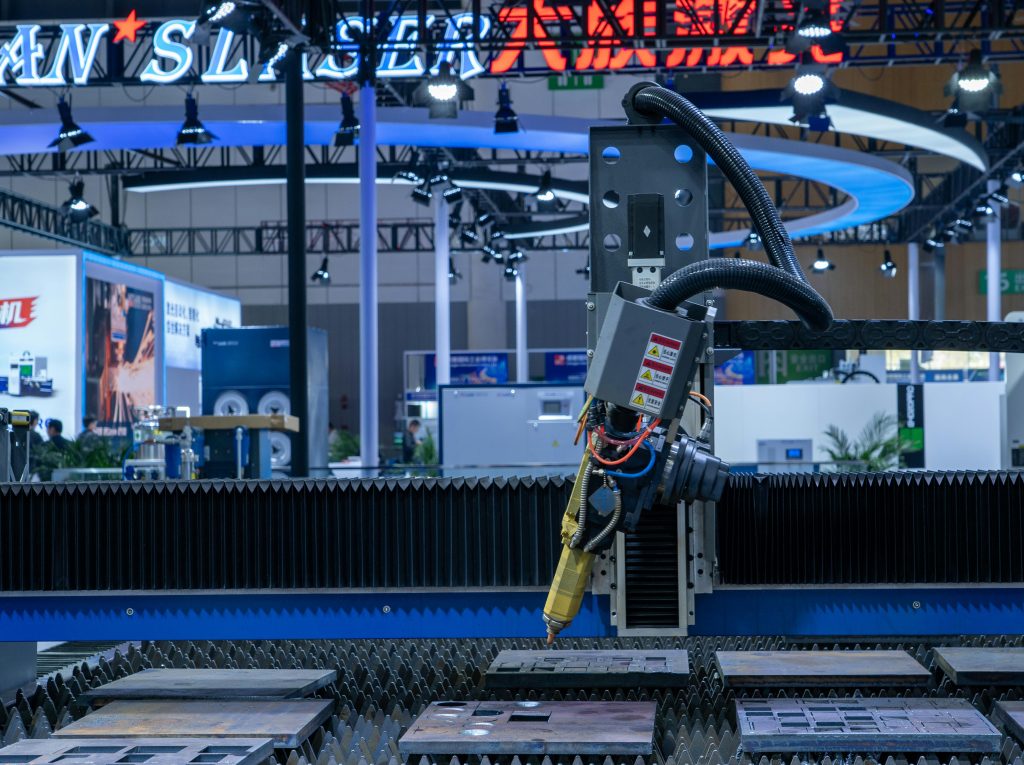
CO₂ laser systems are widely used in industrial cutting, engraving, marking, welding, and medical applications. One of the most important optical components in these systems is the ZnSe (Zinc Selenide) lens, which focuses the infrared laser beam with high efficiency and minimal energy loss.
Selecting the right ZnSe lens directly affects cutting quality, engraving precision, production efficiency, and the overall lifespan of your laser equipment.
This guide explains everything buyers need to know before purchasing ZnSe lenses for CO₂ laser applications.
What Are ZnSe Lenses?
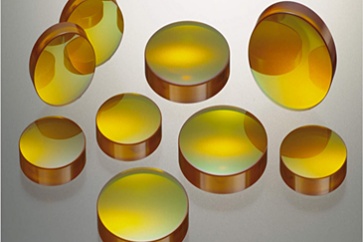
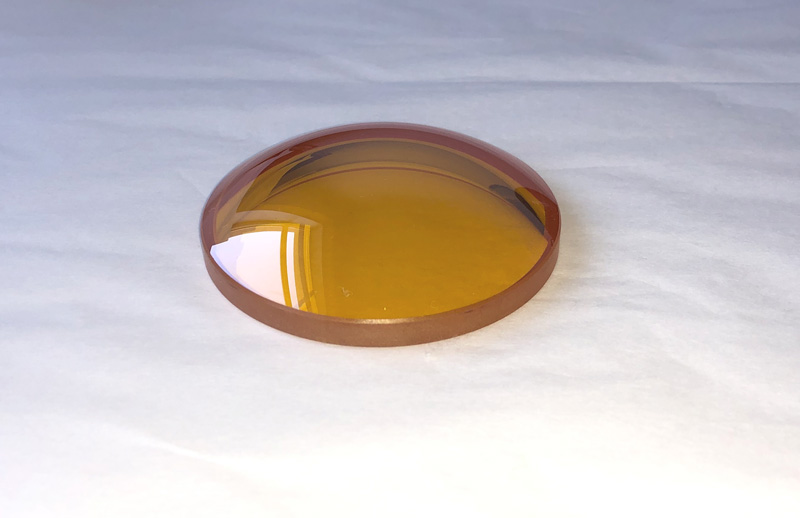
ZnSe (Zinc Selenide) is a high-performance infrared optical material with excellent transmission at the 10.6 μm wavelength produced by CO₂ lasers.
Compared with many other optical materials, ZnSe offers:
- High infrared transmission (typically over 99% with AR coating)
- Low absorption of laser energy
- Excellent thermal stability
- High optical uniformity
- Good resistance to thermal shock
- Suitable for high-power laser applications
Because of these advantages, ZnSe has become the industry standard material for CO₂ laser focusing optics.
Types of ZnSe Lenses
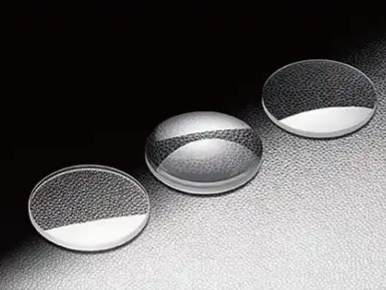
Plano-Convex (PCX) Lenses
Plano-convex lenses are the most commonly used ZnSe lenses in industrial CO₂ laser machines.
Advantages:
- Excellent beam focusing
- High transmission efficiency
- Cost-effective
- Suitable for most cutting and engraving applications
Applications:
- Laser cutting
- Laser engraving
- Laser marking
- General industrial processing
Meniscus Lenses
Meniscus lenses reduce spherical aberration and provide improved beam quality, particularly in high-power laser systems.
Advantages:
- Better focus quality
- Lower optical distortion
- Higher energy efficiency
- Suitable for demanding industrial applications
Applications:
- High-power laser cutting
- Precision laser processing
- Scientific laser systems
Choosing the Right Focal Length
The focal length determines the beam diameter, depth of focus, and processing capability.
| Focal Length | Typical Applications |
|---|---|
| 1.5″ | Fine engraving, detailed marking |
| 2.0″ | General engraving and thin material cutting |
| 2.5″ | Universal cutting applications |
| 4.0″ | Thick material cutting |
| 5.0″ | High-power industrial cutting |
Short Focal Length
Benefits:
- Smaller laser spot
- Higher engraving resolution
- Better detail
- Faster marking
Limitations:
- Shorter depth of focus
- Less suitable for thick materials
Long Focal Length
Benefits:
- Greater depth of focus
- Better cutting stability
- Suitable for thick materials
- Improved edge quality
Limitations:
- Larger focal spot
- Lower engraving resolution
Importance of Anti-Reflection (AR) Coating
Uncoated ZnSe reflects approximately 17% of incident laser energy from each surface.
High-quality anti-reflection coatings significantly improve performance by:
- Increasing transmission
- Reducing reflection loss
- Lowering thermal absorption
- Extending lens lifespan
- Improving cutting efficiency
Premium industrial lenses typically achieve transmission rates above 99%.
Common Applications
ZnSe lenses are widely used in:
- CO₂ laser cutting machines
- Laser engraving equipment
- Laser marking systems
- Textile cutting
- Acrylic cutting
- Wood processing
- Leather engraving
- Packaging production
- Automotive manufacturing
- Medical laser equipment
How to Choose the Right ZnSe Lens
Before purchasing, buyers should consider several key factors.
1. Laser Power
Higher-power lasers require lenses with superior thermal performance and coating durability.
2. Lens Diameter
Choose a lens diameter compatible with your laser head and optical assembly.
Common diameters include:
- 12 mm
- 18 mm
- 19.05 mm
- 20 mm
- 25 mm
- 38.1 mm
Custom sizes are also available.
3. Focal Length
Select the focal length based on:
- Material thickness
- Processing speed
- Required precision
- Cutting or engraving application
4. Optical Surface Quality
Higher optical quality ensures:
- Lower scattering
- Better beam quality
- Improved consistency
- Longer service life
5. Coating Quality
Industrial-grade coatings should provide:
- High laser transmission
- Low absorption
- Strong adhesion
- Excellent durability
How to Extend Lens Life
Proper maintenance greatly increases lens longevity.
Recommended practices include:
- Handle lenses with gloves.
- Avoid touching optical surfaces.
- Clean using approved optical cleaning solutions.
- Remove dust with clean compressed air.
- Store lenses in protective containers.
- Replace damaged lenses promptly.
Even small contaminants can absorb laser energy and cause coating failure.
Signs That a ZnSe Lens Needs Replacement
Replace the lens if you notice:
- Burn marks
- Surface scratches
- Coating damage
- Reduced cutting performance
- Irregular engraving quality
- Increased heat generation
- Cracks or chips
Regular inspection helps maintain consistent production quality.
Why Choose a Professional ZnSe Lens Manufacturer?
A reliable supplier offers more than just optical components. Look for a manufacturer that provides:
- High-purity CVD ZnSe material
- Precision CNC optical processing
- Advanced anti-reflection coatings
- Strict quality inspection
- Custom dimensions and focal lengths
- OEM and ODM manufacturing
- Fast global delivery
- Responsive technical support
Partnering with an experienced manufacturer helps ensure stable optical performance and reduces long-term operating costs.
Conclusion
ZnSe lenses are critical components in every CO₂ laser system. Choosing the correct material, focal length, coating, and optical quality can significantly improve cutting accuracy, engraving precision, and overall production efficiency.
Whether you are upgrading an existing laser machine or sourcing optics for a new project, investing in high-quality ZnSe lenses is essential for achieving reliable, long-term performance.
If you are looking for custom ZnSe lenses for CO₂ laser applications, Elyonoptics offers precision-manufactured infrared optical components with customized dimensions, focal lengths, and coatings to meet the requirements of industrial laser systems worldwide. Our experienced engineering team can help you select the ideal optical solution for your specific application.