Fused Silica Lens Applications in Laser Systems
Laser systems require optical components that can deliver high precision, excellent transmission performance, and long-term stability under demanding operating conditions. Among various optical materials, fused silica lenses are widely used in laser applications due to their outstanding optical properties, high thermal stability, and excellent resistance to laser-induced damage.
From UV laser processing and semiconductor manufacturing to medical lasers and scientific research systems, fused silica lenses play an essential role in controlling, focusing, and transmitting laser beams with high accuracy.
In this article, we will explore the major applications of fused silica lenses in laser systems and explain why they are preferred for advanced laser optics.
What Is a Fused Silica Lens?
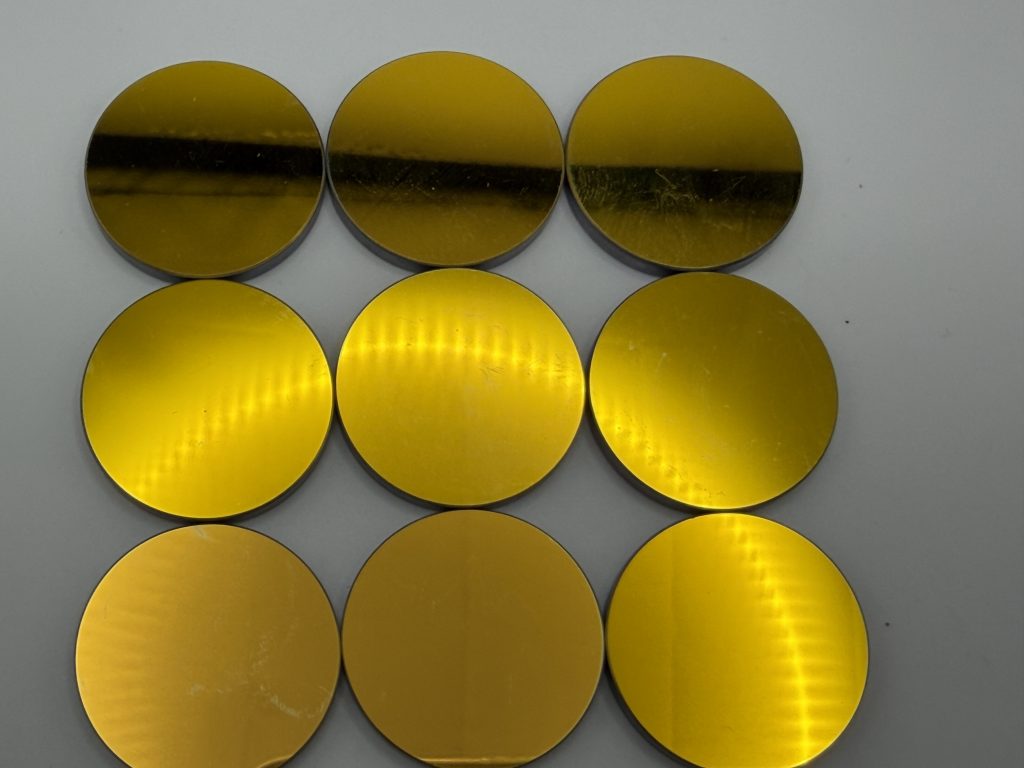
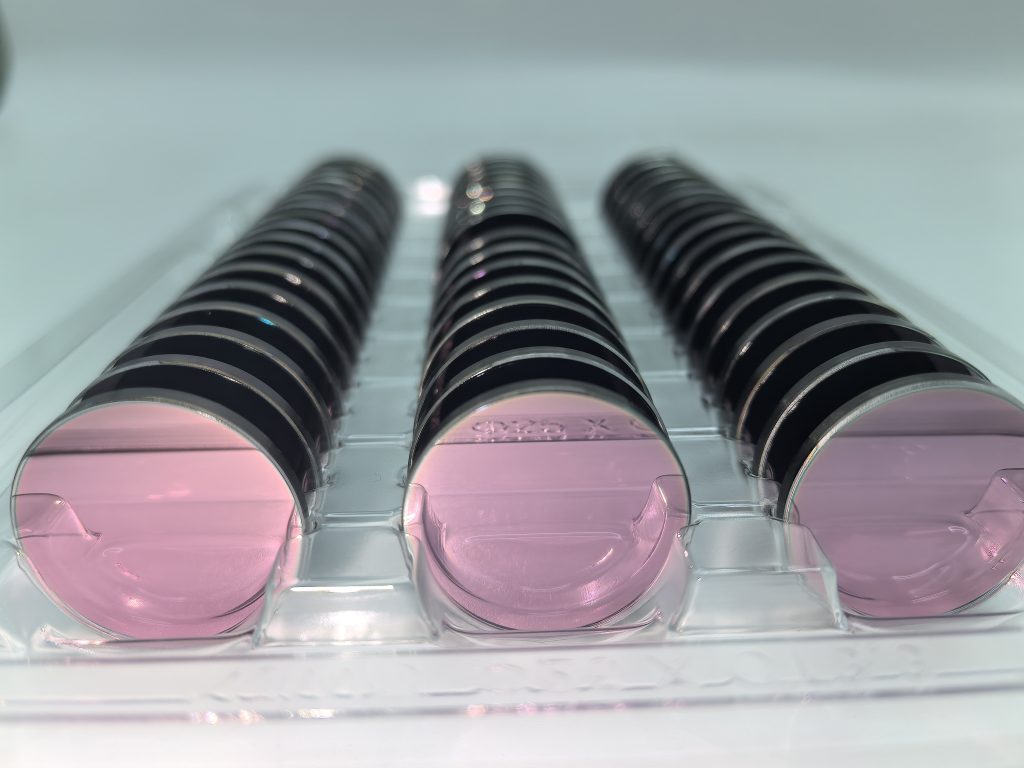
A fused silica lens is an optical lens manufactured from synthetic fused silica, a high-purity form of silicon dioxide (SiO₂). Unlike ordinary glass materials, fused silica offers superior performance in ultraviolet wavelengths, extreme temperature environments, and high-power laser applications.
Key characteristics of fused silica lenses include:
- Excellent UV transmission from deep UV to infrared wavelengths
- Low thermal expansion coefficient
- High resistance to thermal shock
- Superior laser damage threshold
- Excellent optical clarity and homogeneity
- Outstanding chemical durability
These advantages make fused silica an ideal material for demanding laser optical systems.
Why Are Fused Silica Lenses Used in Laser Systems?
1. Excellent UV Laser Transmission
One of the most important advantages of fused silica lenses is their excellent transmission in ultraviolet wavelengths.
Many conventional optical glasses have limited UV performance, while fused silica maintains high transmission for UV laser sources such as:
- Excimer lasers
- UV diode lasers
- Nd:YAG fourth harmonic lasers (266 nm)
- Semiconductor lithography systems
Because of this property, fused silica lenses are commonly used in:
- UV laser focusing systems
- Photolithography equipment
- Microelectronics manufacturing
- Precision laser engraving machines
2. High Laser Damage Resistance
High-power laser systems generate significant optical energy that can damage conventional lenses. Fused silica provides excellent resistance against laser-induced damage due to its high purity and low absorption characteristics.
Fused silica lenses are widely applied in:
- Industrial laser cutting systems
- Laser welding equipment
- Laser marking machines
- High-energy research lasers
For applications involving high laser power density, choosing a high-quality fused silica optical component is critical to maintaining system reliability.
3. Thermal Stability in High-Power Laser Applications
During continuous laser operation, optical components can experience rapid temperature changes. Materials with high thermal expansion may suffer from deformation and optical performance degradation.
Fused silica has an extremely low thermal expansion coefficient, allowing lenses to maintain dimensional stability under temperature variations.
This makes fused silica lenses suitable for:
- Continuous-wave laser systems
- High-power laser processing equipment
- Aerospace laser applications
- Scientific optical instruments
Main Applications of Fused Silica Lenses in Laser Systems
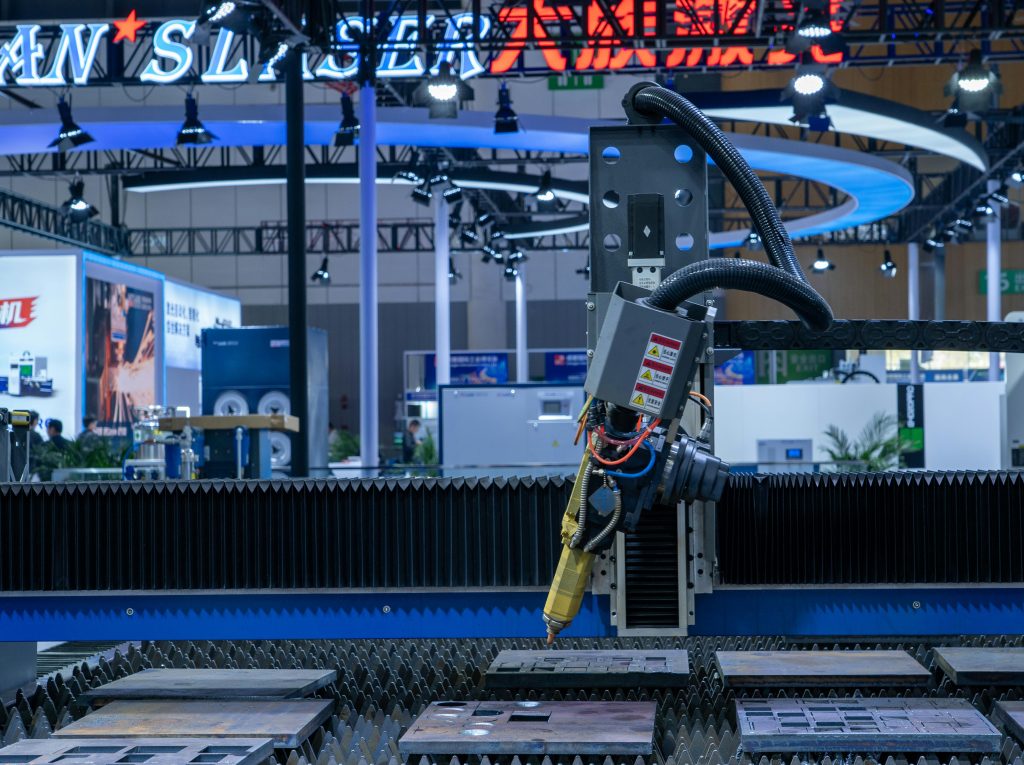
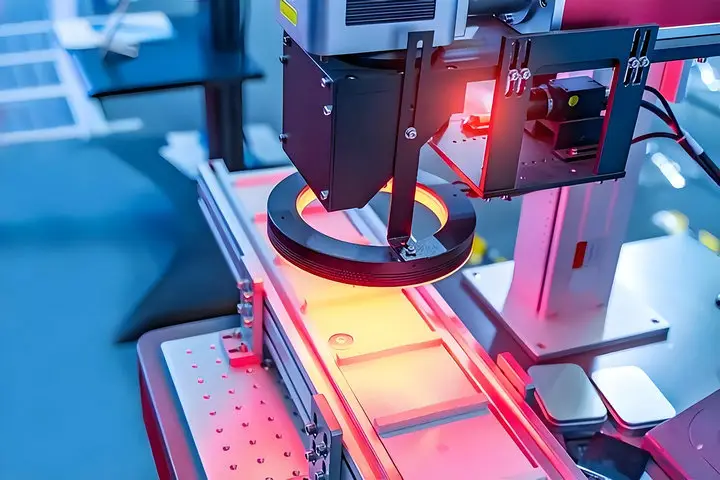
1. Laser Cutting and Laser Processing Equipment
Industrial laser systems require precise beam focusing to achieve clean and accurate processing results.
Fused silica lenses are commonly used in:
- Fiber laser cutting machines
- CO₂ laser systems
- Laser drilling equipment
- Laser welding systems
Their excellent optical transmission and durability help improve processing accuracy and extend lens service life.
2. Semiconductor and Photolithography Systems
The semiconductor industry requires extremely precise optical components for wafer processing and microfabrication.
Fused silica lenses are essential components in:
- UV lithography systems
- Mask alignment equipment
- Inspection systems
- Micro-patterning applications
The high purity and low optical absorption of fused silica make it suitable for advanced semiconductor manufacturing.
3. Medical Laser Systems
Medical laser equipment requires stable and reliable optical performance.
Fused silica lenses are used in:
- Ophthalmic laser systems
- Dermatology lasers
- Surgical laser equipment
- Dental laser systems
Their excellent transmission range and chemical stability make them ideal for medical optical applications.
4. Laser Beam Expansion and Focusing Systems
Laser systems often require precise beam control using optical lenses.
Fused silica lenses are widely used in:
- Beam expanders
- Beam collimators
- Laser focusing assemblies
- Optical scanning systems
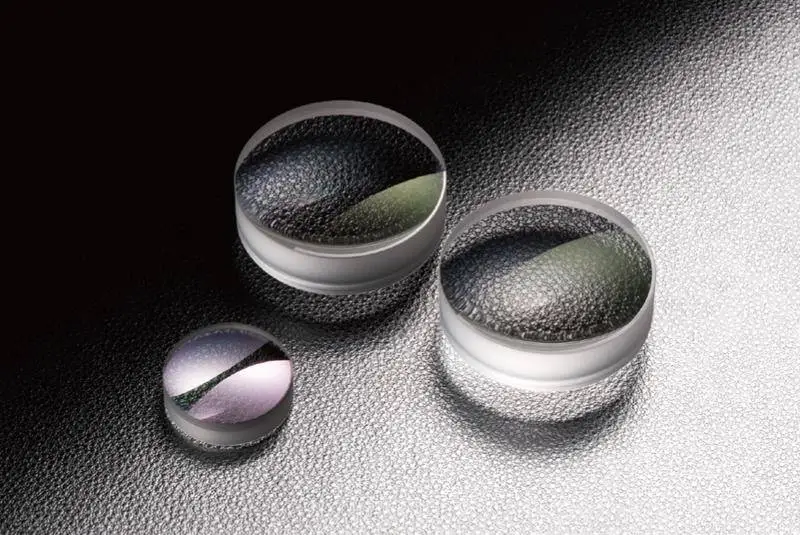
Common lens types include:
- Plano convex lenses
- Bi-convex lenses
- Aspheric lenses
- Custom shaped lenses
These components help optimize beam quality and improve laser system performance.
5. Scientific Research and Laboratory Lasers
Research-grade laser systems require optical components with exceptional precision and reliability.
Fused silica lenses are commonly found in:
- Spectroscopy systems
- Quantum optics experiments
- Laser measurement equipment
- Optical research platforms
Their excellent optical homogeneity makes them suitable for high-precision scientific applications.
Fused Silica Lens vs Optical Glass Lens for Laser Applications
| Feature | Fused Silica Lens | Standard Optical Glass Lens |
|---|---|---|
| UV Transmission | Excellent | Limited |
| Thermal Stability | Excellent | Moderate |
| Laser Damage Resistance | High | Lower |
| Thermal Expansion | Very Low | Higher |
| High Power Laser Use | Suitable | Limited |
| Precision Applications | Excellent | Good |
For demanding laser environments, fused silica provides better performance and reliability compared with traditional optical glass.
Custom Fused Silica Lenses for Laser Systems
Different laser applications require different optical specifications. Professional optical manufacturers can provide customized fused silica lenses according to customer requirements, including:
- Lens diameter and thickness
- Surface accuracy
- Surface quality
- Coating options
- Wavelength requirements
- Anti-reflection coatings
- Custom optical designs
At ElyonOptics, we provide high-quality fused silica optical components for laser systems, scientific instruments, and industrial optical applications.
Conclusion
Fused silica lenses are essential optical components in modern laser systems due to their excellent UV transmission, high laser damage threshold, low thermal expansion, and outstanding optical stability.
Whether used in industrial laser processing, semiconductor manufacturing, medical lasers, or scientific research, fused silica lenses provide the precision and reliability required for advanced laser applications.
Choosing the right fused silica lens supplier ensures better optical performance, longer service life, and improved system reliability.