When to Replace a Laser Protective Window
A laser protective window is an important optical component used in industrial laser systems to protect internal optics from contamination and damage. It is widely installed in fiber laser cutting machines, laser welding equipment, and laser marking systems.
During laser processing, smoke, metal particles, dust, and debris can affect optical performance. A high-quality protective window helps maintain stable laser transmission and extends the service life of expensive components such as focusing lenses.
However, laser protective windows are consumable optical components and require regular inspection and replacement. Understanding when to replace a laser protective window is essential for maintaining laser processing quality and reducing equipment downtime.
What Is a Laser Protective Window?
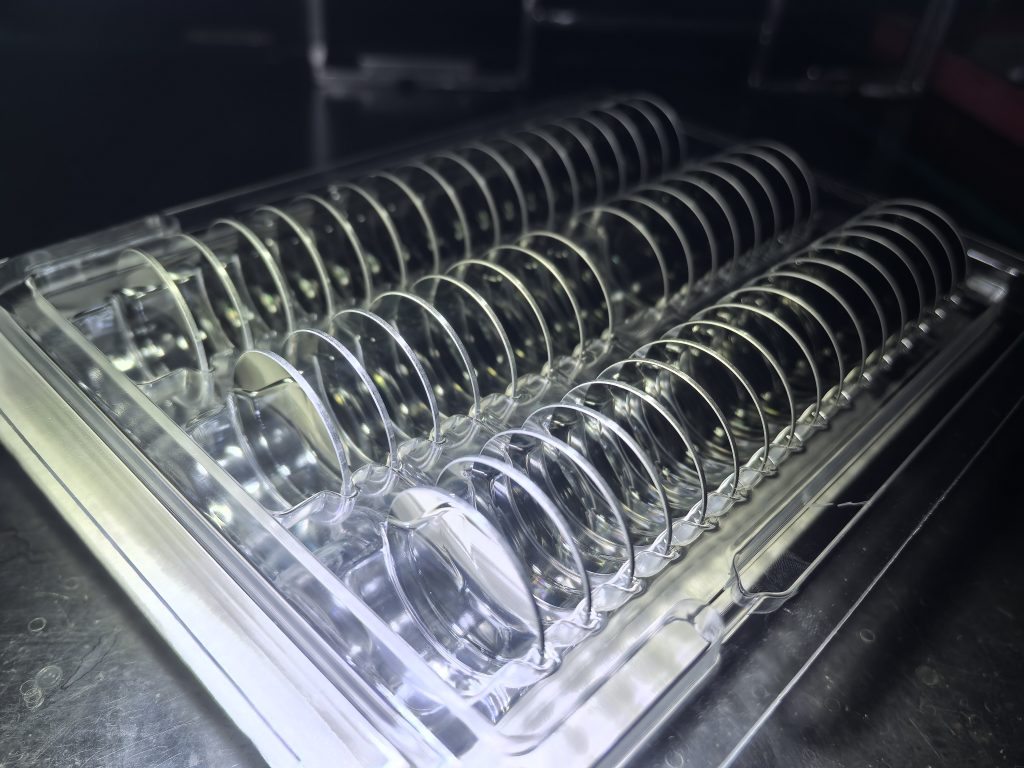
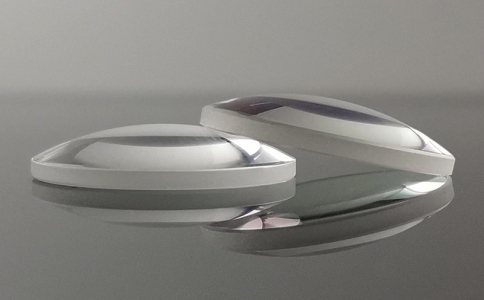
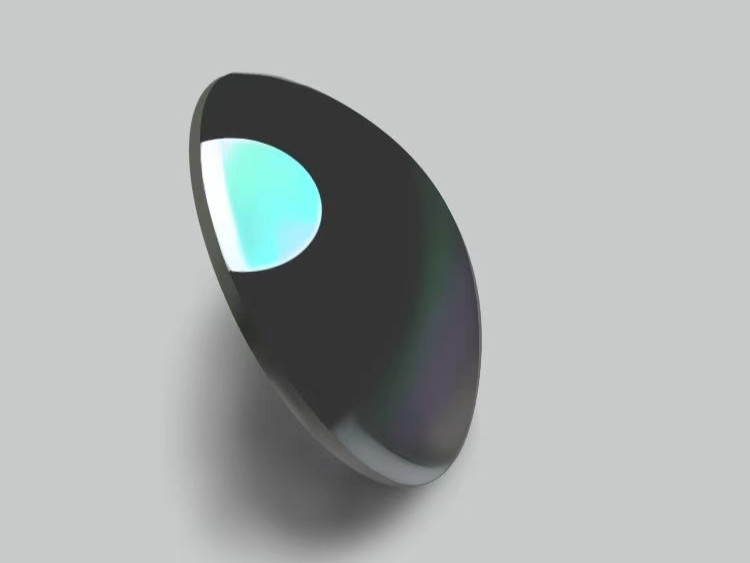
A laser protective window is a flat optical component installed inside a laser processing head.
Unlike a focusing lens, a protective window does not change the direction or focus of the laser beam. Its main purpose is to create a protective barrier between the processing area and the internal optical components.
The main functions include:
- Protecting focusing lenses from contamination
- Blocking metal spatter and processing debris
- Maintaining stable laser beam transmission
- Reducing maintenance costs of laser heads
Laser protective windows are commonly used in:
- Fiber laser cutting machines
- Laser welding machines
- Laser marking systems
- Laser engraving equipment
- Industrial laser processing systems
Common Materials of Laser Protective Windows
Fused Silica Laser Protective Window
Fused silica is the most commonly used material for fiber laser systems.
Advantages include:
- Excellent optical transmission
- High thermal stability
- Low thermal expansion
- High laser damage resistance
Typical applications:
- Fiber laser cutting
- Fiber laser welding
- Laser marking systems
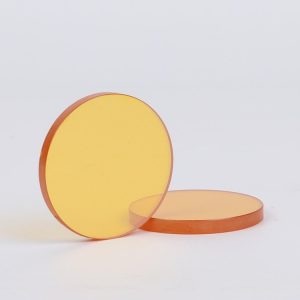
ZnSe Laser Protective Window
Zinc Selenide (ZnSe) is mainly used in CO₂ laser systems because it provides excellent transmission at 10.6 μm wavelength.
Applications include:
- CO₂ laser cutting
- Laser engraving
- Non-metal processing
Sapphire Protective Window
Sapphire provides excellent hardness and wear resistance.
It is suitable for applications requiring:
- High mechanical durability
- Scratch resistance
- Long service life
Signs That a Laser Protective Window Needs Replacement
1. Visible Damage on the Surface
A damaged protective window may show:
- Scratches
- Cracks
- Burn marks
- Coating damage
- Surface contamination
Even small defects can affect laser transmission and reduce processing performance.
2. Reduced Cutting or Welding Quality
A contaminated protective window can influence laser processing results.
Common symptoms include:
- Uneven cutting edges
- Reduced cutting speed
- Poor welding quality
- Inconsistent marking results
- Increased processing defects
When these problems occur, checking the protective window should be one of the first troubleshooting steps.
3. Dark Spots and Contamination
During industrial laser processing, the protective window is exposed to:
- Metal particles
- Smoke
- Dust
- Oil residue
- Processing debris
Contamination can absorb laser energy and create excessive heat, which may damage the window permanently.
4. Increased Laser Power Loss
A clean protective window allows efficient laser transmission.
When contamination or damage occurs:
- Laser energy loss increases
- Processing efficiency decreases
- Heat accumulation becomes higher
- Optical components may be damaged
Replacing the protective window at the right time helps maintain stable laser performance.
How Often Should a Laser Protective Window Be Replaced?
The replacement frequency depends on several factors:
- Laser power
- Material being processed
- Working environment
- Machine operating hours
- Maintenance conditions
For example:
Low Power Laser Systems
Protective windows may last several months under normal operating conditions.
High Power Fiber Laser Systems
High-power cutting applications may require more frequent replacement due to increased heat and metal spatter.
There is no universal replacement schedule. Regular inspection is the best way to determine when replacement is necessary.
Laser Protective Window Applications
Laser protective windows are widely used in:
Fiber Laser Cutting
Used in metal cutting systems for:
- Stainless steel
- Carbon steel
- Aluminum
- Copper
Laser Welding
Protective windows help maintain stable beam quality during precision welding applications.
Common industries include:
- Automotive
- Aerospace
- Electronics manufacturing
Laser Marking
Used in laser marking systems for:
- Product identification
- Barcode marking
- Metal engraving
- Electronic component marking
How to Choose the Right Laser Protective Window
When selecting a laser protective window, consider:
Laser Wavelength
Different lasers require different optical materials.
Examples:
- Fiber Laser → Fused Silica
- CO₂ Laser → ZnSe
Laser Power
Higher power laser systems require protective windows with:
- Higher damage threshold
- Better thermal performance
- Higher optical quality
Window Size and Specification
The protective window must match the laser head design.
Important parameters include:
- Diameter
- Thickness
- Surface quality
- Coating type
- Flatness
Laser Protective Window vs Focusing Lens
Although both are optical components in laser systems, their functions are different.
| Component | Main Function |
|---|---|
| Laser Protective Window | Protects internal optics from contamination |
| Focusing Lens | Focuses the laser beam onto the material |
A protective window is usually replaced more frequently because it directly faces the working environment.
Why Choose Elyonoptics Laser Protective Windows
Elyonoptics provides precision optical components for industrial laser applications.
Our products include:
- Fused Silica Laser Protective Windows
- Laser Focusing Lenses
- Plano Convex Lenses
- Laser Collimating Lenses
- ZnSe Laser Lenses
- Custom Optical Components
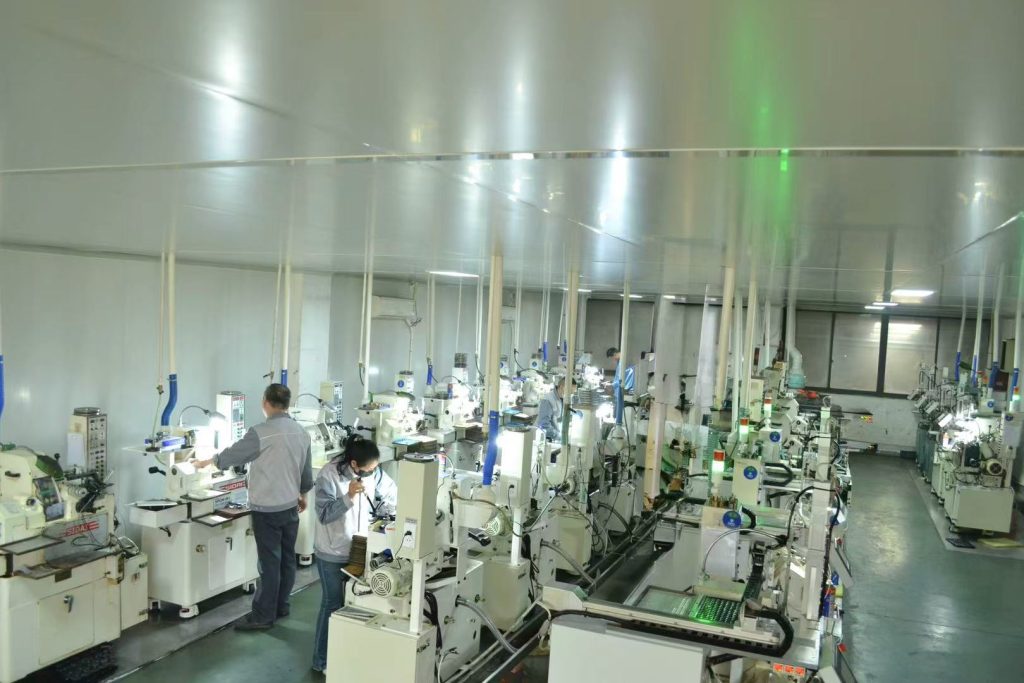
With advanced optical manufacturing technology and strict quality control, Elyonoptics supplies reliable laser optics for laser equipment manufacturers, distributors, and industrial users worldwide.