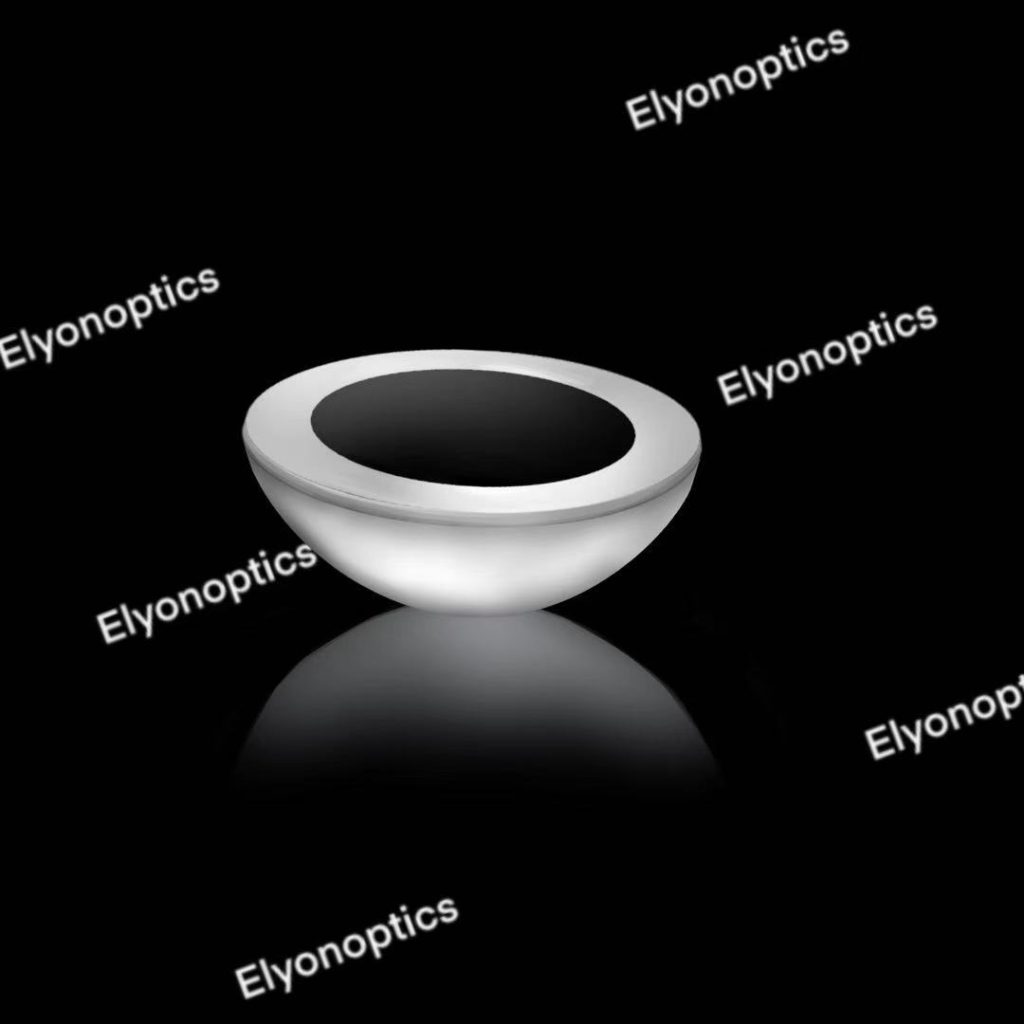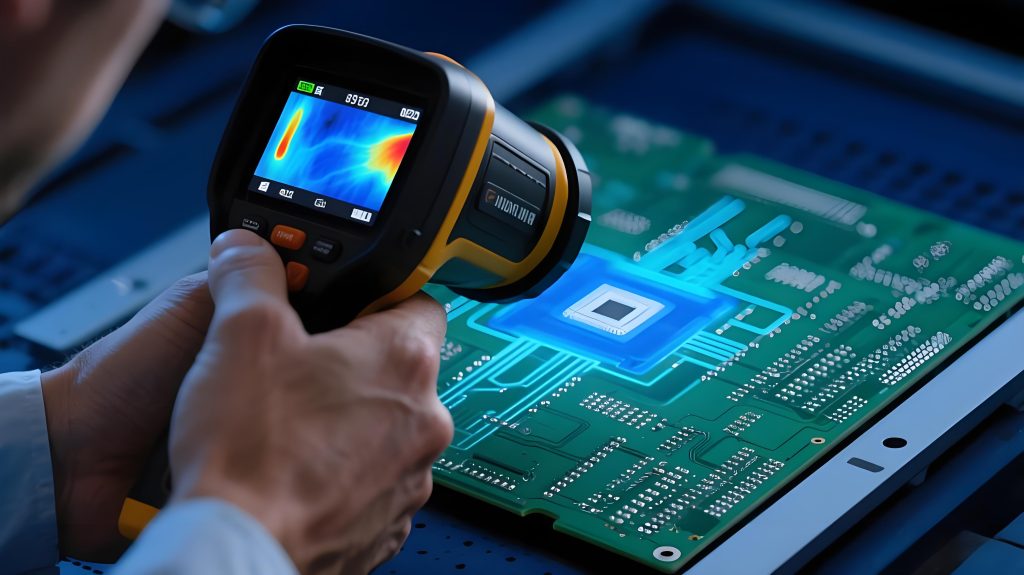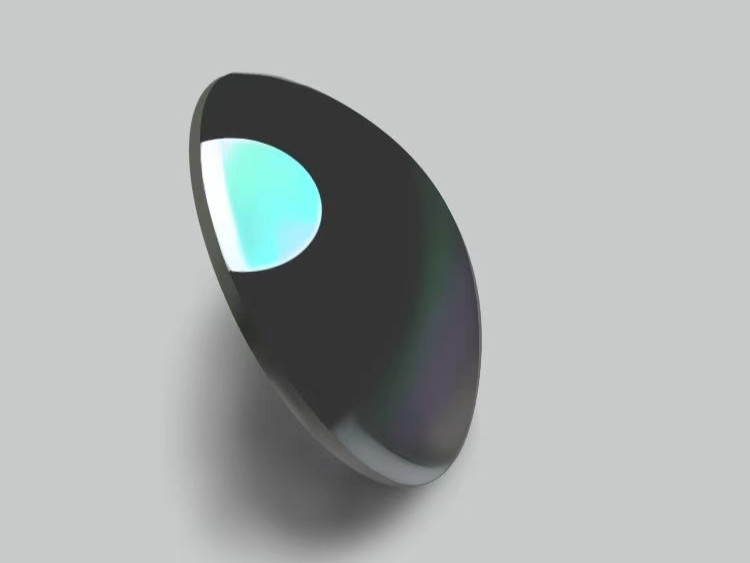
OEM Germanium Lens Solutions for Industrial Infrared Systems
Industrial infrared systems are only as reliable as the optics inside them. In thermal imaging, furnace monitoring, gas detection, and process control environments, germanium lenses are still one of the most widely used solutions because they combine stable infrared transmission with strong environmental resistance.
For OEM system integrators, the challenge is rarely “finding a lens.” The real issue is matching optical performance with mechanical constraints, temperature conditions, and long-term stability requirements.
Why germanium is still widely used in infrared systems
Germanium continues to be a preferred material in industrial infrared optics due to its consistent transmission in the mid-wave and long-wave infrared range. In practical industrial setups, this usually translates to stable signal output across a wide operating range, especially in environments where temperature fluctuation is unavoidable.
Unlike some alternative materials that degrade under thermal stress, germanium maintains relatively stable refractive behavior. This is particularly important in continuous monitoring systems such as steel furnace inspection, kiln temperature measurement, and high-temperature pipeline observation.
However, germanium is not a universal solution. It has its own limitations, especially in terms of weight and mechanical fragility. This is why OEM design becomes critical.
OEM lens design is not just optical selection
In industrial applications, lens performance is determined by a combination of factors, not just the material itself.
A proper OEM germanium lens solution typically involves:
- Controlled surface quality to reduce scattering loss
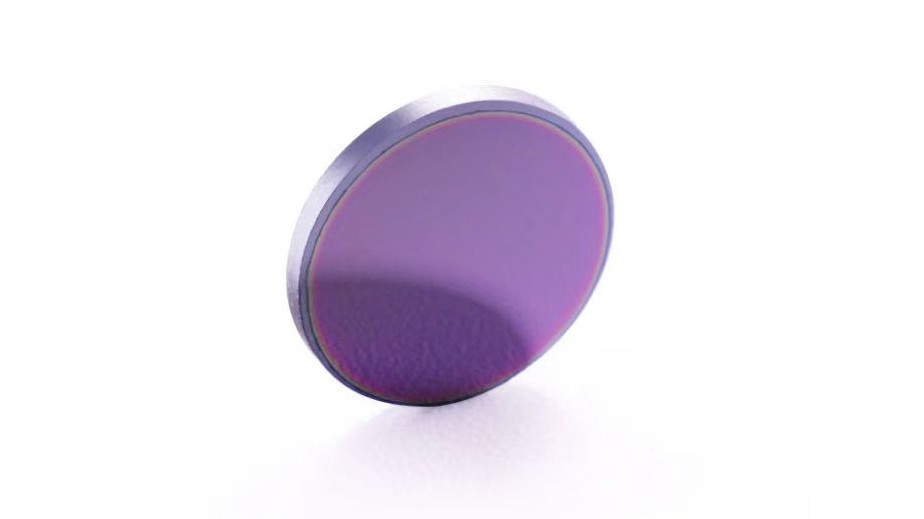
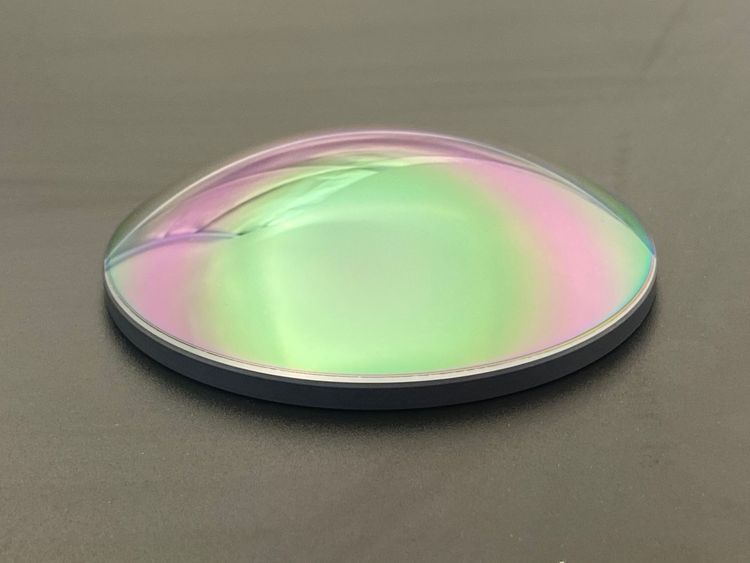
- Anti-reflective coating optimized for specific infrared bands
- Precise focal length alignment for sensor compatibility
- Mechanical housing designed for thermal expansion tolerance
In many failed infrared projects, the issue is not the detector but the optical mismatch between lens and system architecture. Small deviations in coating uniformity or alignment can lead to noticeable image distortion or signal loss, especially in long-range monitoring systems.
Coating selection directly affects system performance
Germanium naturally reflects a portion of incoming infrared radiation. Without proper coating treatment, transmission efficiency drops significantly.
In industrial systems, coating selection is often based on application type rather than general performance:
- Narrow-band monitoring systems prioritize peak transmission efficiency
- Wide-area thermal imaging requires balanced spectral response
- High-temperature environments require coating stability under thermal cycling
Poor coating quality does not always show immediate failure. In many cases, performance degradation appears gradually over operational cycles, which makes supplier consistency more important than initial lab results.
Mechanical design matters more than expected
One overlooked aspect in infrared lens integration is mechanical stress.
Germanium is relatively brittle, and in industrial environments vibration is unavoidable. Equipment such as crushers, furnaces, or conveyor monitoring systems often operate under continuous mechanical load.
OEM lens assemblies usually require:
- Stress-free mounting design
- Expansion-compatible housing materials
- Alignment protection under vibration
- Stable optical axis retention during temperature change
Without these considerations, even a high-quality lens can produce unstable imaging results over time.
Application environments define lens structure
Different industrial environments require different optical configurations. A single germanium lens design rarely fits all scenarios.
For example:
In furnace monitoring systems, lenses must withstand high ambient temperature and radiation exposure.
In mineral processing plants, dust resistance becomes more important than ultra-high resolution.
In gas detection systems, spectral consistency and narrow band response take priority.
OEM customization allows these trade-offs to be managed at design level rather than corrected after system failure.
Integration efficiency is a key OEM advantage
One of the main reasons companies choose OEM germanium lens solutions is integration speed.
Instead of redesigning optical systems from scratch, OEM suppliers provide:
- Pre-aligned optical modules
- Application-specific focal length configurations
- Standardized mechanical interfaces
- System-level compatibility testing
This reduces development cycles and allows infrared system manufacturers to focus more on electronics, calibration, and software layers rather than optical engineering.
Long-term stability is the real value factor
In industrial infrared systems, the cost of optics is usually not the main concern. Downtime and recalibration costs matter more.
A stable germanium lens system reduces:
- Recalibration frequency
- Signal drift over time
- Image distortion in long-term operation
- Maintenance intervention cycles
For continuous industrial monitoring systems, this stability directly impacts operational efficiency.
Conclusion
OEM germanium lens solutions are not just about supplying optical components. They are about ensuring the entire infrared system performs consistently under real industrial conditions.
From material selection and coating design to mechanical integration, every detail influences final system reliability. For industrial infrared applications, especially in harsh environments, properly engineered germanium lens systems remain one of the most dependable optical solutions.