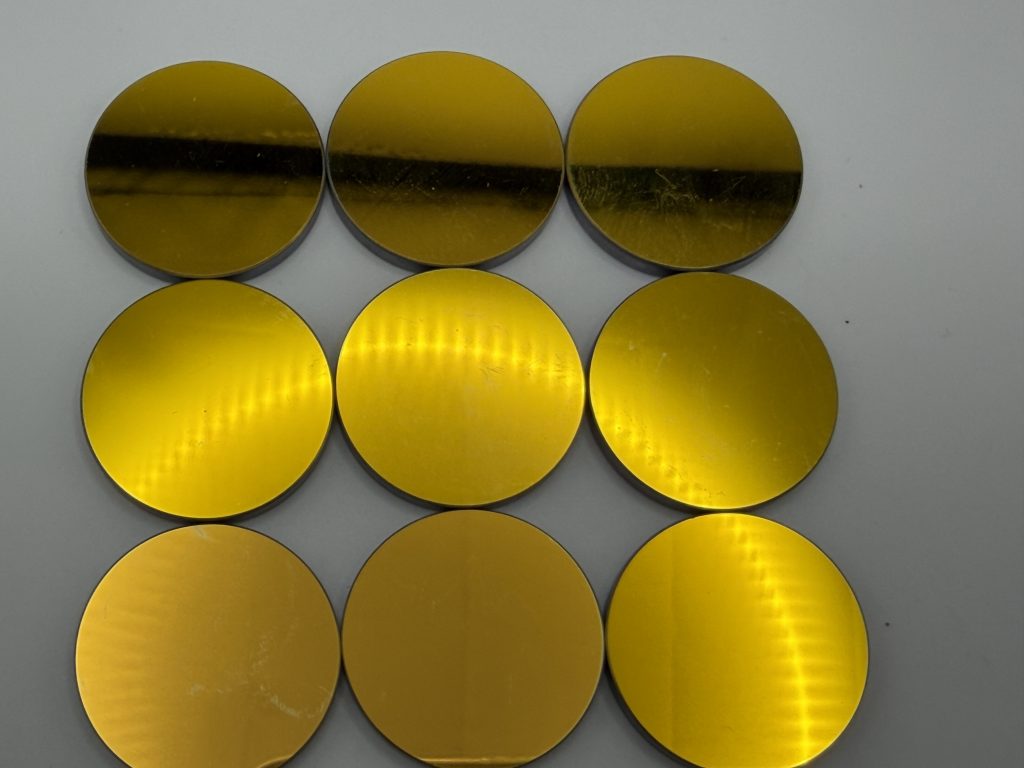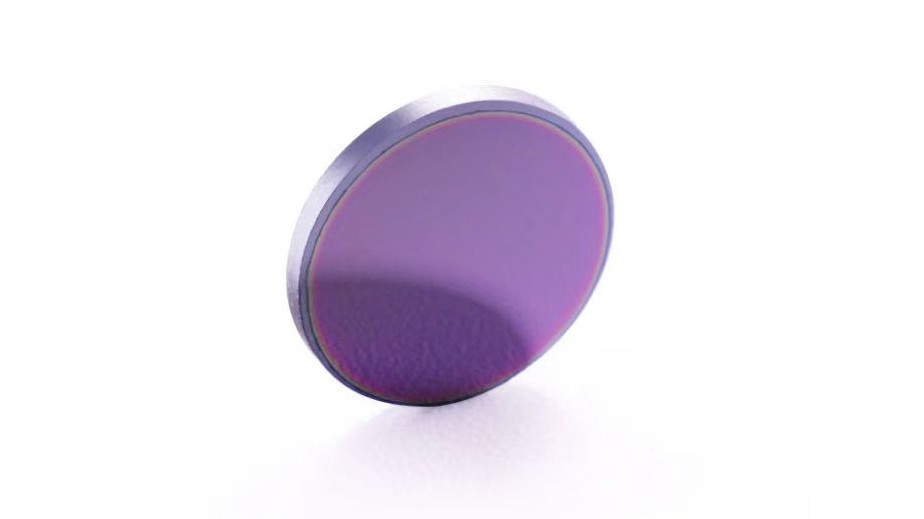
What Is a Silicon Lens?
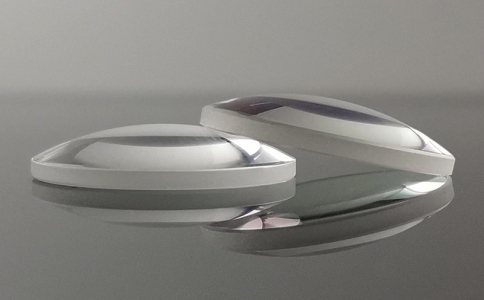
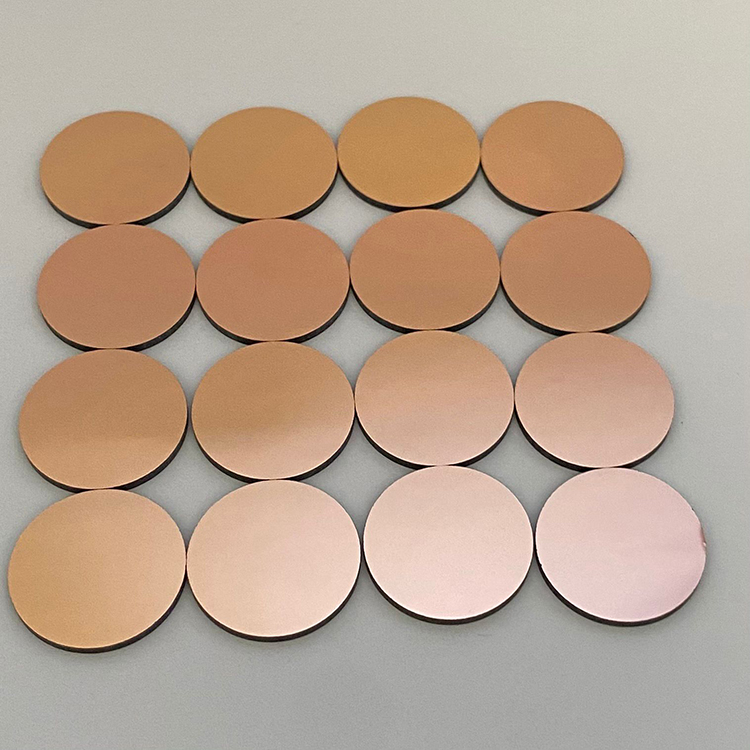
A silicon lens is an optical component made from high-purity silicon crystal that is designed to focus, collimate, or shape infrared (IR) light. Unlike conventional glass lenses used for visible light, silicon lenses offer excellent transmission in the 1.2–7 μm infrared wavelength range, making them a preferred choice for many infrared optical systems.
Because of their high refractive index, low density, and excellent thermal stability, silicon lenses are widely used in thermal imaging, infrared sensing, laser systems, medical equipment, and industrial inspection.
How Does a Silicon Lens Work?
A silicon lens bends infrared light as it passes through the material, allowing engineers to focus or direct IR radiation precisely. The optical performance depends on the lens shape, surface quality, and anti-reflective coating.
Silicon has a refractive index of approximately 3.4, which provides strong focusing capability while allowing more compact optical designs compared to many other infrared materials.
Key Properties of Silicon Lenses
Silicon lenses offer several advantages for infrared applications:
- Excellent transmission in the near and mid-infrared spectrum
- High refractive index for compact optical designs
- Low density compared with germanium
- High thermal conductivity for stable performance
- Good mechanical strength and hardness
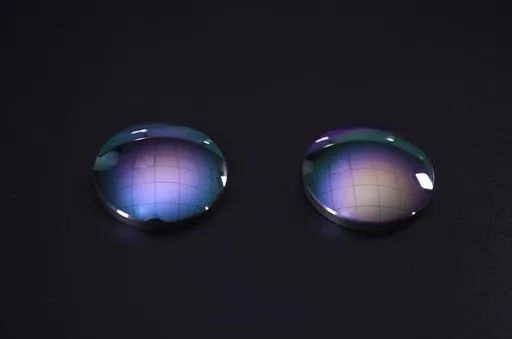
- Suitable for anti-reflective (AR) coatings
- Resistant to many harsh industrial environments
These properties make silicon an ideal material when optical performance, weight, and durability are all important considerations.
Common Applications
Silicon lenses are used across a wide range of industries, including:
- Thermal imaging cameras
- Infrared surveillance systems
- Night vision equipment
- Industrial temperature monitoring
- Laser beam delivery systems
- Medical infrared instruments
- Scientific research equipment
- Machine vision and automation
- Aerospace and defense optics
Available Lens Types
Silicon can be manufactured into many optical configurations, including:
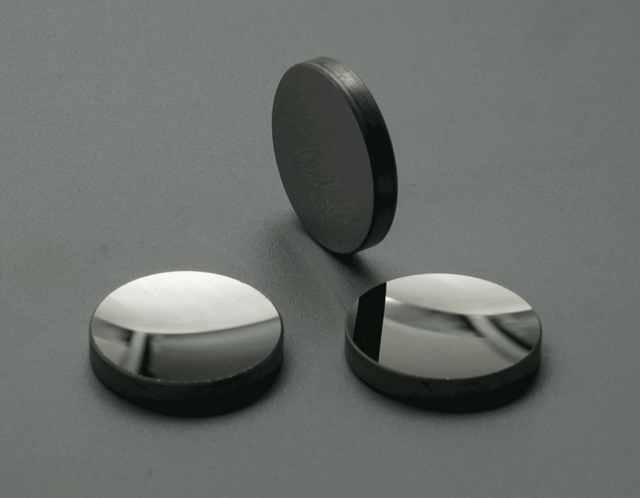
- Plano-Convex (PCX) Lenses
- Plano-Concave (PCV) Lenses
- Bi-Convex Lenses
- Meniscus Lenses
- Aspheric Lenses
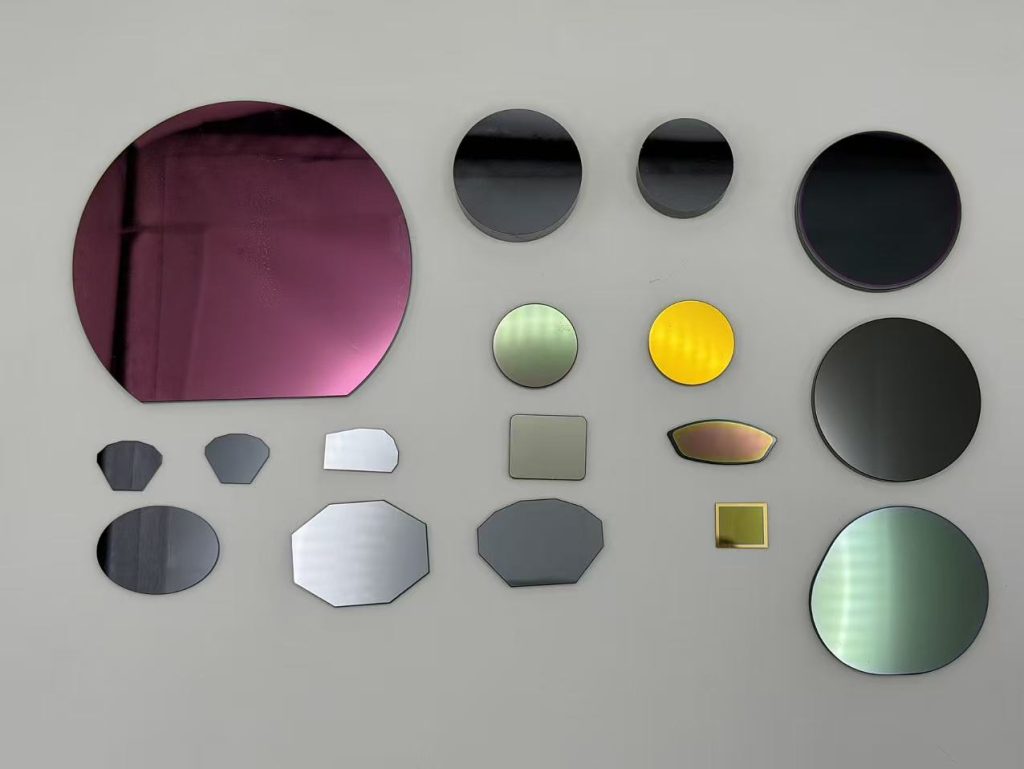
- Custom Infrared Lenses
The appropriate design depends on the optical system’s wavelength, focal length, and imaging requirements.
Can Silicon Lenses Be Customized?
Yes. Professional optical manufacturers can produce custom silicon lenses based on customer drawings or application requirements.
Typical customization options include:
- Diameter
- Thickness
- Radius of curvature
- Focal length
- Surface accuracy
- Surface quality
- Edge treatment
- AR coatings
- Mounting requirements
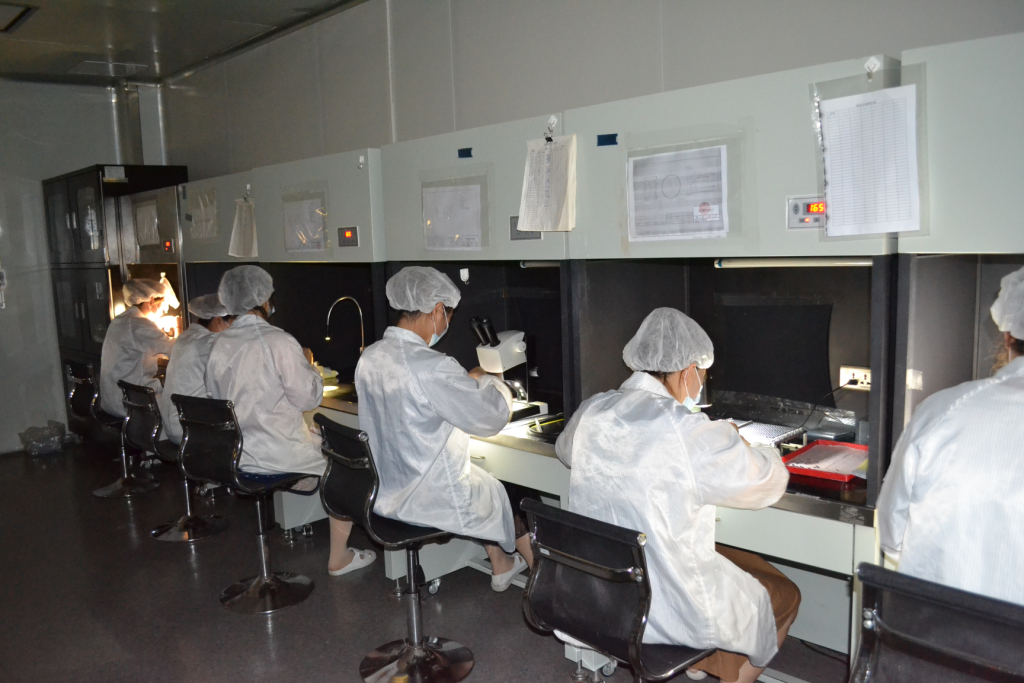
At ElyonOptics, we provide custom silicon lens manufacturing for OEM and research applications. Our capabilities include precision CNC machining, optical polishing, custom AR coatings, prototype development, and small-to-large production runs. Whether you need a standard lens or a fully customized optical solution, our engineering team can help you achieve the required optical performance and specifications.
Conclusion
A silicon lens is an excellent solution for many infrared optical applications thanks to its high refractive index, lightweight structure, thermal stability, and reliable optical performance. Whether used in thermal imaging, industrial inspection, or laser systems, silicon lenses provide an efficient and cost-effective option for modern IR optics.
If your project requires custom infrared optics, working with an experienced manufacturer can help you select the right silicon lens design, coating, and specifications for your application.