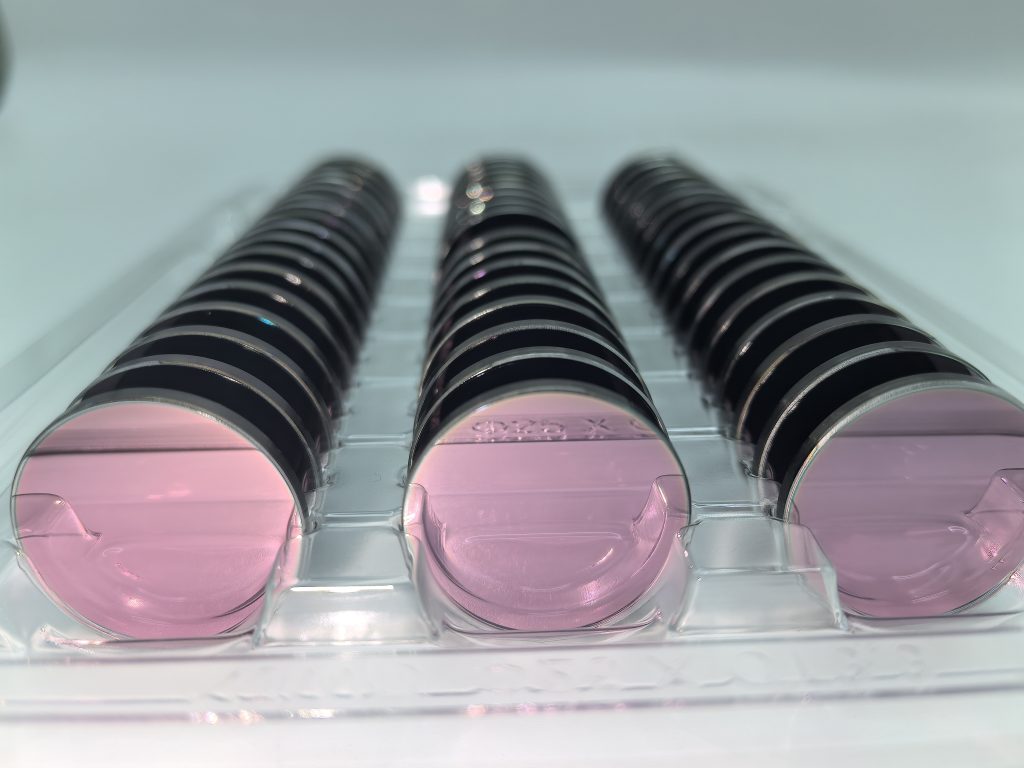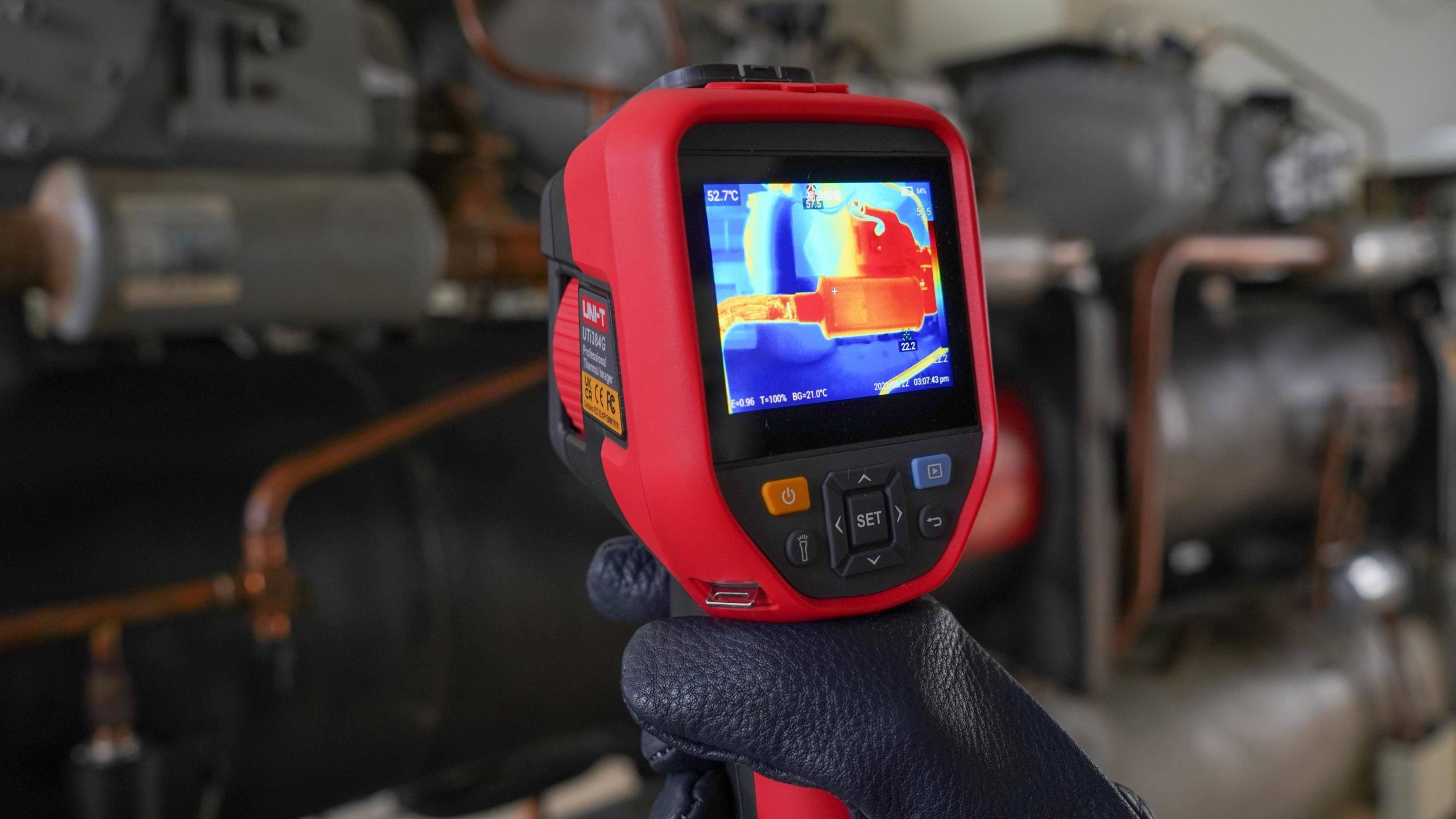
ZnSe Lenses for Thermal Imaging Systems
Thermal imaging systems rely on infrared optical components to collect and focus thermal radiation onto an infrared detector. Zinc selenide (ZnSe) is one of the optical materials used in infrared optics because of its suitable transmission characteristics in the infrared spectrum.
ZnSe lenses can be incorporated into thermal cameras, infrared imaging equipment, and other optical systems designed for long-wave infrared applications.
ZnSe Lenses in Infrared Imaging
The optical path of a thermal imaging system needs to transmit infrared radiation efficiently while maintaining the required imaging performance. ZnSe is suitable for infrared optical applications where conventional visible-light optical glass cannot provide the necessary transmission.
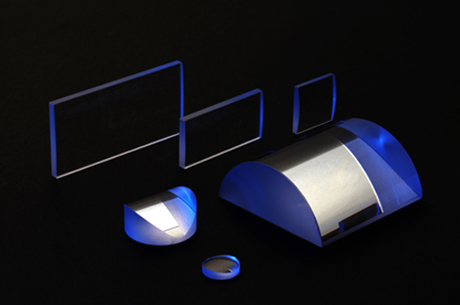
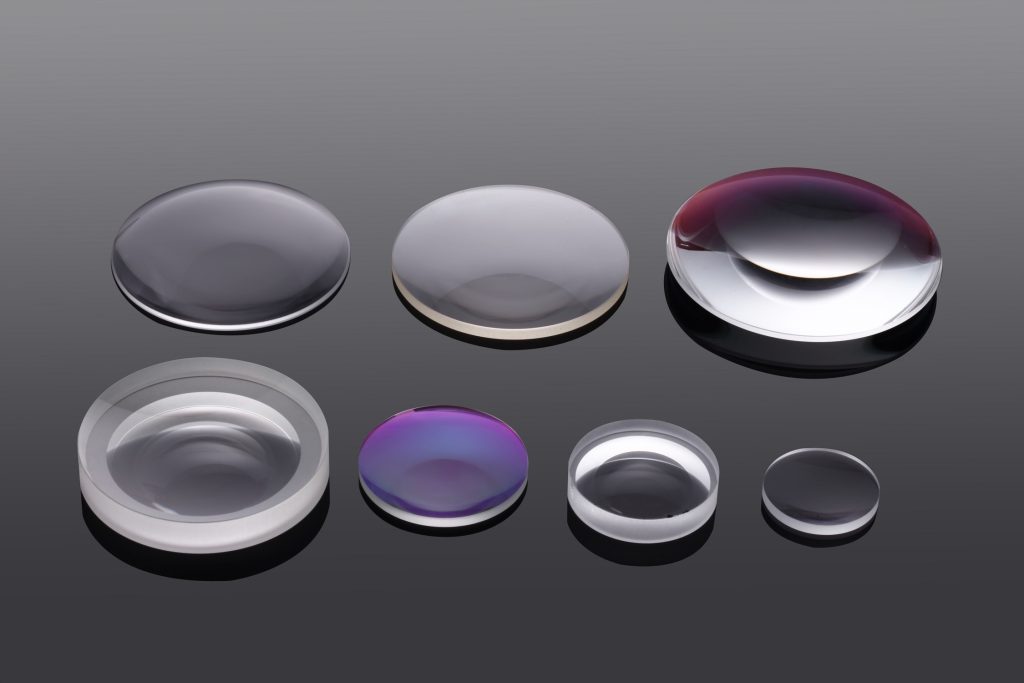
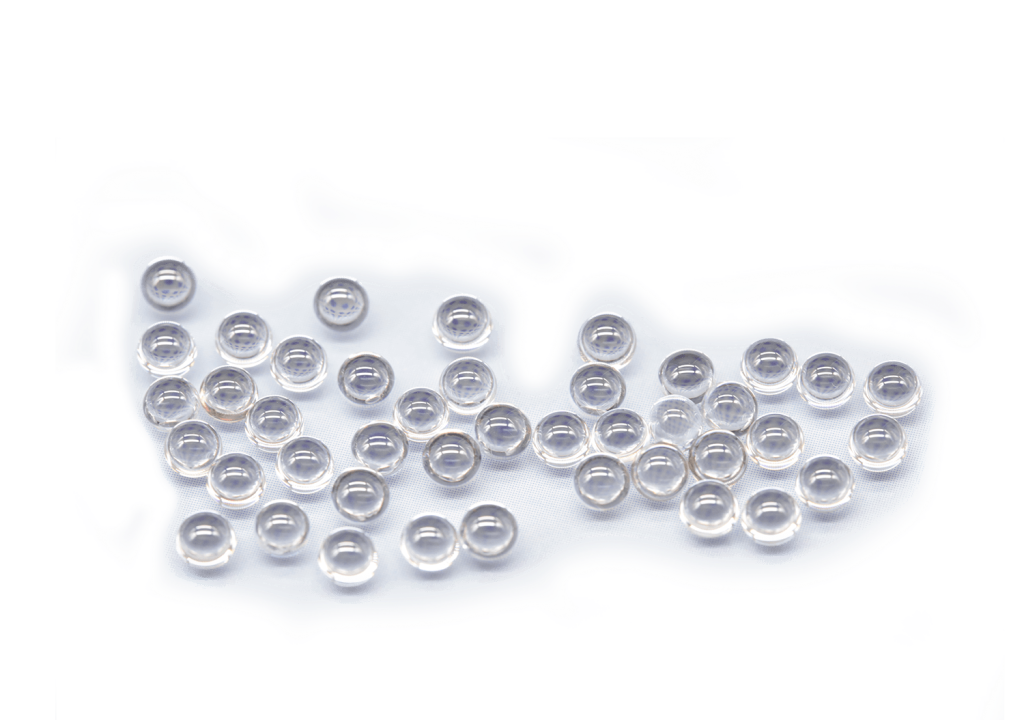
Depending on the system design, ZnSe lenses can be manufactured in different optical configurations and used as focusing elements within infrared imaging assemblies.
Lens diameter, focal length, surface quality, and dimensional tolerances are important parameters when integrating a ZnSe lens into an infrared optical system.
ZnSe Optics for LWIR Applications
Long-wave infrared (LWIR) imaging commonly operates in the 8–14 μm atmospheric transmission window. This spectral range is widely used in thermal imaging because objects emit thermal radiation that can be detected without visible illumination.
ZnSe optical components can be considered for LWIR systems where infrared transmission and optical performance are important. The material can be used for lenses and other infrared components according to the requirements of the imaging system.
For thermal cameras, the optical design must also consider focal length, field of view, detector format, working distance, and overall system configuration.
Thermal Imaging Optical Components
A thermal imaging system typically includes several optical and optoelectronic components, including infrared lenses, detectors, filters, mechanical mounts, and signal processing elements.
ZnSe lenses can serve as focusing components in systems where infrared radiation needs to be directed onto the detector. The lens specification depends on the intended field of view and imaging distance as well as the detector characteristics.
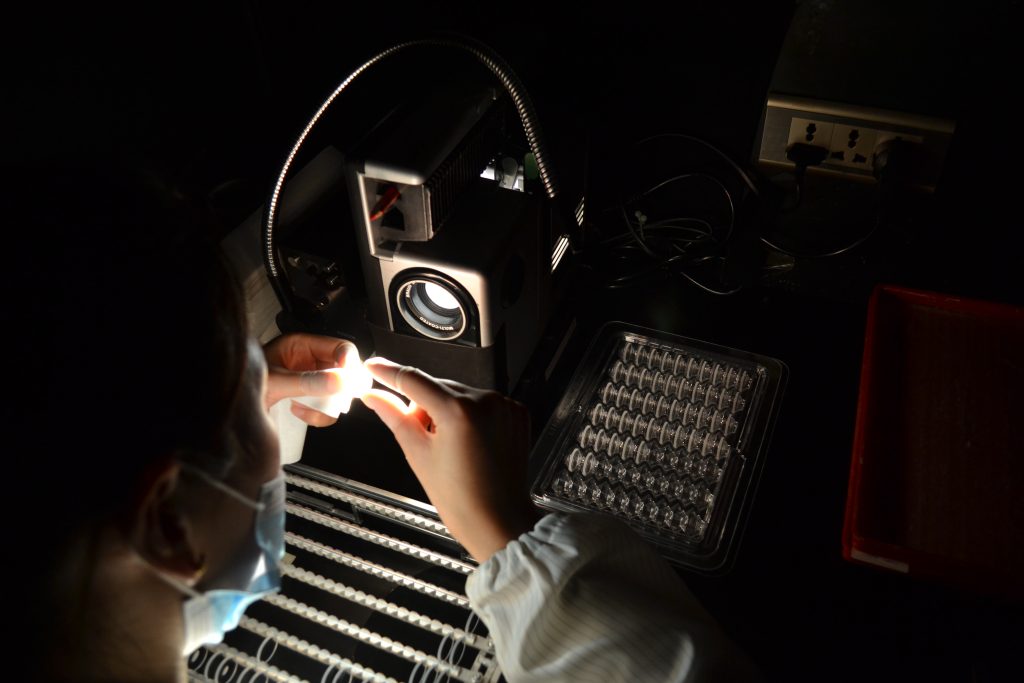
Surface accuracy and surface quality are also important for maintaining consistent optical performance, particularly in precision thermal imaging applications.
ZnSe Lens Coatings for Infrared Optics
Anti-reflection coatings can be applied to ZnSe lenses to reduce surface reflection and improve infrared transmission. The coating specification should be matched to the operating wavelength and application requirements.
For thermal imaging optics, coating performance can affect overall optical transmission and image quality. Environmental durability may also be considered when the optical component is used in demanding industrial or outdoor applications.
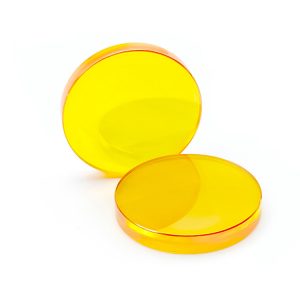
Custom ZnSe Lenses for Thermal Cameras
Thermal imaging equipment often requires optical components with application-specific dimensions and optical parameters. Custom ZnSe lenses can be manufactured according to drawings or technical specifications.
Requirements may include lens diameter, focal length, thickness, curvature, clear aperture, dimensional tolerance, surface quality, and anti-reflection coating.
Custom infrared optical components are suitable for OEM thermal cameras, infrared sensors, industrial inspection systems, and other specialized imaging equipment.
Applications of ZnSe Infrared Optics
ZnSe lenses can be used in various thermal and infrared imaging applications, including industrial temperature monitoring, equipment inspection, security imaging, research instruments, and specialized thermal cameras.
For OEM and optical system manufacturers, selecting the appropriate ZnSe lens requires consideration of the operating wavelength, imaging requirements, detector characteristics, and mechanical configuration.
Precision-manufactured ZnSe lenses provide a practical optical solution for infrared imaging systems where reliable transmission and controlled optical performance are required.