Optical Prism Applications in Medical Devices
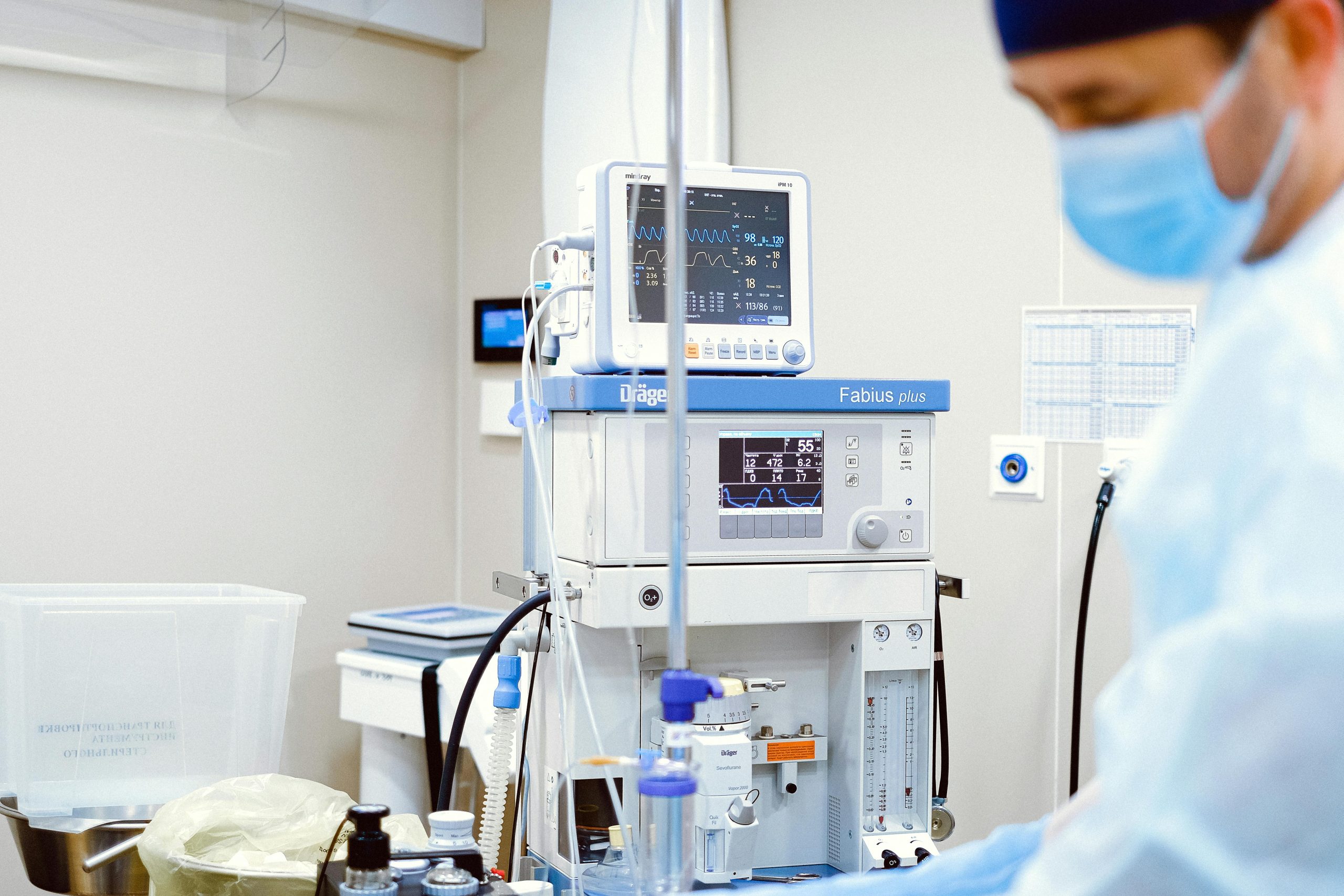
Optical prisms play a critical role in modern medical devices, enabling precise light manipulation for imaging, diagnostics, and surgical applications. As medical technology advances toward higher accuracy and minimally invasive procedures, the demand for high-quality optical components such as prisms continues to grow.
This article explores how optical prisms are used in medical devices, the main types involved, and why material quality and precision manufacturing are essential.
What Is an Optical Prism?
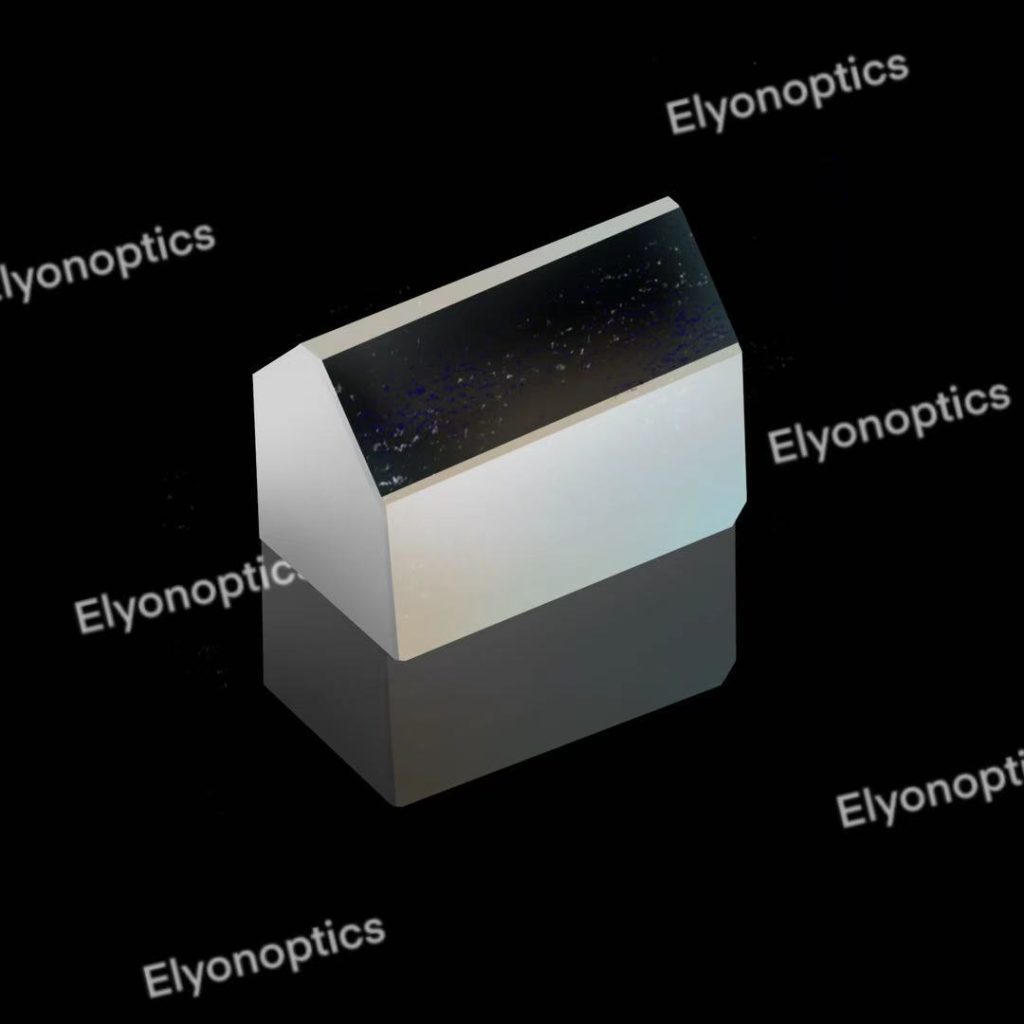
An optical prism is a transparent optical element with flat, polished surfaces that refract, reflect, or disperse light. By controlling the direction of light, prisms are widely used in optical systems to achieve image correction, beam steering, and wavelength separation.
Common prism materials include:
- Optical glass (BK7, B270)
- Fused silica
- Sapphire (for high durability and medical-grade environments)
Key Applications of Optical Prisms in Medical Devices
1. Endoscopy Systems
Endoscopes rely heavily on compact optical systems. Prisms are used to:
- Redirect light within tight spaces
- Improve image orientation
- Enhance visualization in minimally invasive surgery
Right-angle prisms and roof prisms are commonly used in these systems.
2. Surgical Imaging Equipment
In surgical microscopes and imaging systems, prisms help:
- Split and combine light paths
- Provide stereoscopic (3D) viewing
- Maintain image clarity under high magnification
This is critical for neurosurgery, ophthalmology, and microsurgery.
3. Diagnostic Imaging Devices
Medical diagnostic tools such as:
- OCT (Optical Coherence Tomography) systems
- Fundus cameras
- Spectroscopy equipment
use prisms for beam steering and wavelength control, ensuring accurate tissue analysis.
4. Laser-Based Medical Devices
In laser surgery and therapy systems, optical prisms are used to:
- Direct and shape laser beams
- Control beam alignment
- Split beams for multi-target treatment
Precision is essential to avoid tissue damage and ensure treatment accuracy.
5. Ophthalmic Instruments
Devices used in eye examination and correction often integrate prisms for:
- Measuring eye deviation (prism diopters)
- Correcting binocular vision alignment
- Supporting refractive diagnostics
Types of Optical Prisms Used in Medical Applications
Right-Angle Prism
Used for beam deviation and image redirection.
Beam Splitter Prism
Divides light into multiple paths for imaging systems.
Dove Prism
Used in image rotation systems.
Roof Prism
Common in compact imaging and endoscopic devices.
Wedge Prism
Used for beam steering and fine angular adjustment.
Why Precision Matters in Medical-Grade Prisms
Medical applications demand extremely high optical standards:
- Surface accuracy at nanometer level
- Low optical distortion
- High transmission efficiency
- Coating compatibility (anti-reflective coatings)
Even minor defects can affect imaging accuracy or surgical precision.
Materials Used in Medical Optical Prisms
BK7 Optical Glass
- Cost-effective
- Good transmission in visible range
Fused Silica
- Excellent thermal stability
- Ideal for laser systems and high-energy applications
Sapphire
- Extremely durable
- Suitable for harsh sterilization environments
Market Demand and Industry Trends
The medical optics market is growing due to:
- Increasing minimally invasive surgeries
- Expansion of diagnostic imaging technologies
- Demand for portable medical devices
- Growth of laser-based treatments
As a result, OEM suppliers of optical components are focusing on:
- Custom prism manufacturing
- High-precision polishing
- Coating technology improvements
Conclusion
Optical prisms are essential components in modern medical devices, enabling accurate imaging, precise laser control, and advanced diagnostic capabilities. As medical technology continues to evolve, the demand for high-quality, precision-engineered prisms will continue to rise.
For manufacturers and suppliers, focusing on optical quality, material selection, and customization capabilities is key to competing in the global medical optics market.