Optical Components for IR Temperature Sensors

Optical Components for IR Temperature Sensors

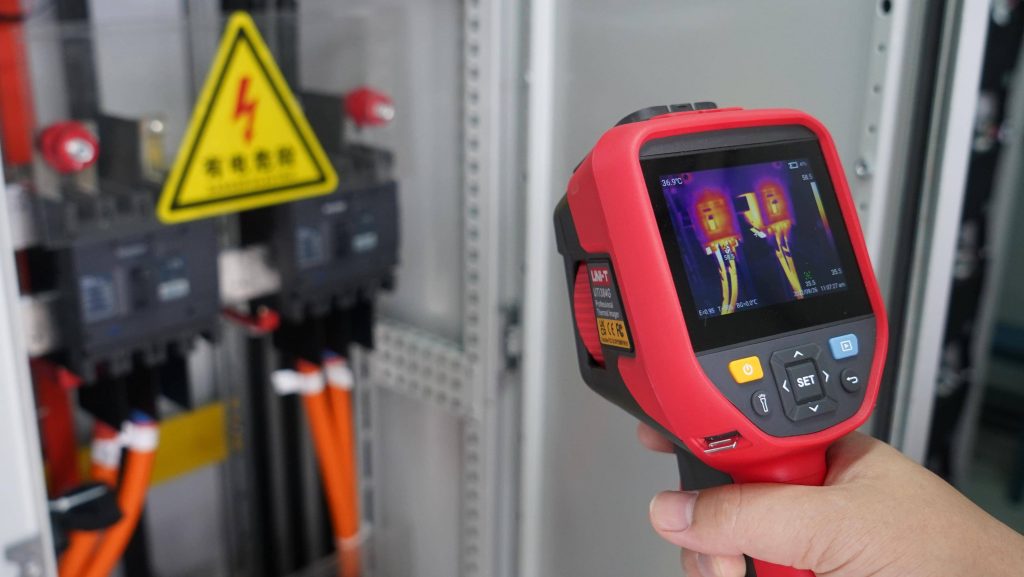
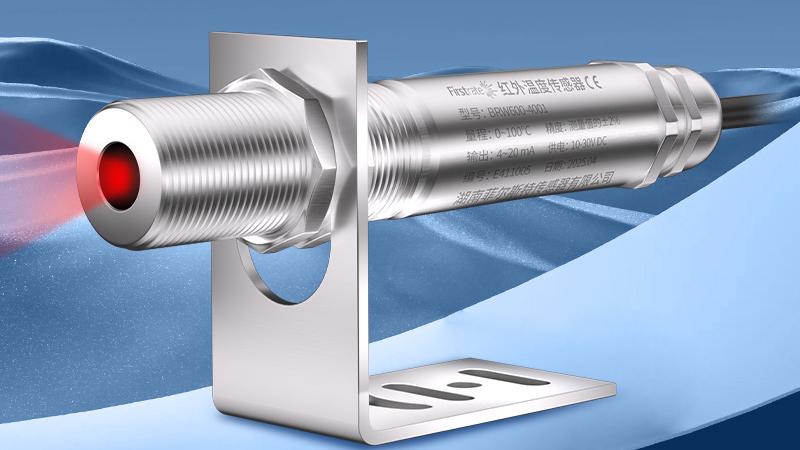
Infrared (IR) temperature sensors have become an important solution for non-contact temperature measurement across industrial automation, medical equipment, consumer electronics, automotive systems, and smart manufacturing. By detecting infrared radiation emitted by an object, these sensors can measure temperature without physical contact. However, the performance of an IR temperature sensor depends…
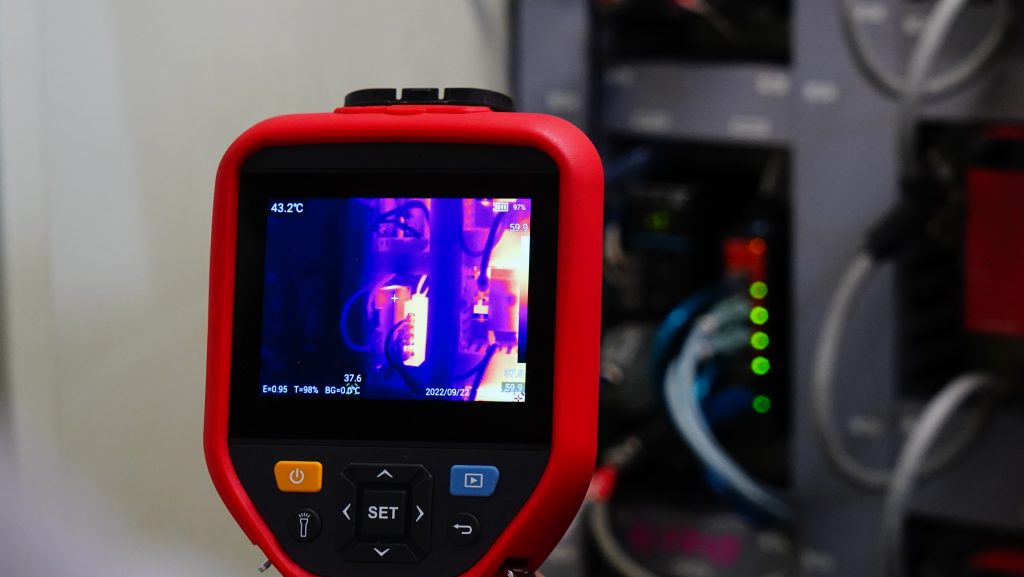
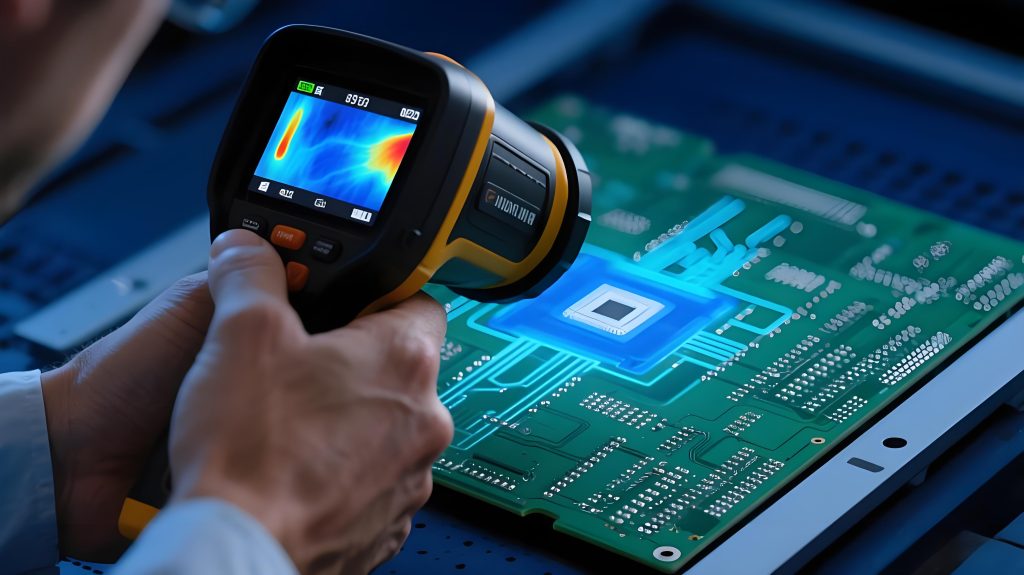
MWIR vs LWIR optics for thermal imaging

MWIR vs. LWIR Optics: Key Differences in Thermal Imaging

Thermal imaging systems commonly operate in the Mid-Wave Infrared (MWIR) or Long-Wave Infrared (LWIR) bands. The choice of wavelength affects image quality, environmental performance, detector selection, and optical design. MWIR Optics MWIR typically covers 3–5 μm and is widely used in applications requiring high sensitivity and long-range thermal detection. MWIR…

ZnS lenses used in thermal imaging systems and infrared cameras

What Optical Components Are Used in Thermal Imaging Systems?

Thermal imaging systems use infrared radiation to detect temperature differences and create images of objects. Unlike conventional cameras, thermal imaging systems require optical components that can transmit infrared wavelengths efficiently. The choice of optical components depends mainly on the operating wavelength, application, detector, and required imaging performance. Main Optical Components…

Precision optical components for industrial and imaging applications

Precision Optical Component Machining Requirements and Quality Standards

Precision optical components require strict control throughout machining, grinding, polishing, coating, and final inspection. Dimensional accuracy and optical performance must be considered together to ensure reliable performance in demanding applications. Material Selection Common materials for precision optical components include BK7, fused silica, calcium fluoride (CaF₂), sapphire, silicon, germanium, ZnSe, and…

Infrared sensing application for industrial detection

Optical Components for Infrared Sensor Applications

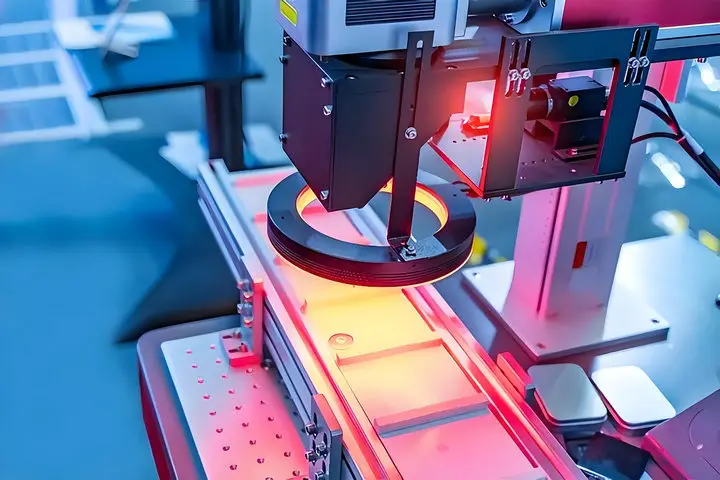
Infrared sensors are widely used for detection, measurement, monitoring, and non-contact sensing across industrial and commercial applications. Unlike visible-light sensing, infrared sensing relies on specific wavelength ranges, making the selection of suitable optical components an important part of sensor design. Infrared optical components help transmit, collect, focus, filter, or protect…

Infrared optics for machine vision applications

Infrared Optics for Machine Vision Applications

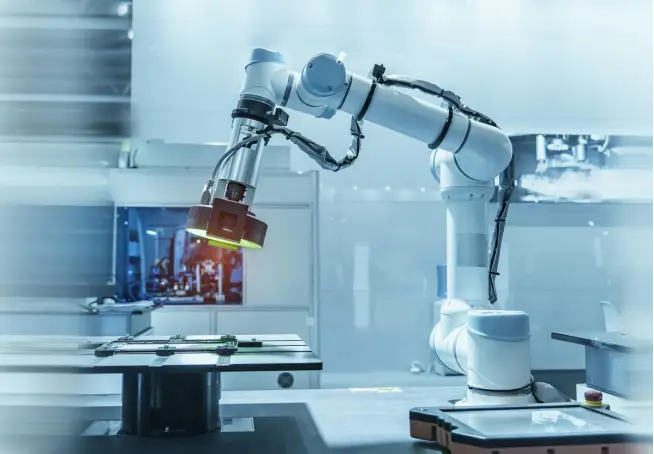
Infrared machine vision extends conventional imaging beyond the visible spectrum, enabling optical inspection in applications where visible light cannot provide sufficient contrast or information. By using infrared wavelengths, machine vision systems can detect material differences, surface features, temperature variations, and other characteristics that may be difficult to identify with standard…

Cylindrical Lenses in Laser Line Generation

Cylindrical Lenses in Laser Line Generation

Cylindrical lenses are widely used in laser optical systems to transform a collimated laser beam into a straight, narrow line. Unlike spherical lenses, which focus light in both directions, cylindrical lenses provide optical power along only one axis. This makes them particularly suitable for applications requiring precise one-dimensional beam shaping….

Cylindrical Lens 01

What Is a Cylindrical Lens and How Does It Work?

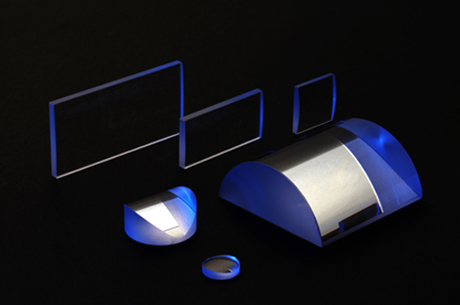
A cylindrical lens is an optical lens designed to focus or expand light in only one direction. Unlike a spherical lens, which affects light along both axes, a cylindrical lens has curvature along a single axis. This unique optical property allows it to convert a point-like beam into a line…

Plano Convex Lens 04

How to Choose the Right Optical Lens Material

Choosing an optical lens material is an important part of optical system design. Different materials offer different transmission ranges, refractive indexes, thermal properties, hardness, and chemical stability. The right choice depends on the wavelength, application, environment, and required optical performance. 1. Consider the Operating Wavelength The first factor is the…

Fused Silica Lens supplier

Precision Machining Technologies for Optical Components

Precision machining is one of the most important stages in optical component manufacturing. The quality of grinding, polishing, shaping, and inspection directly affects the optical performance, dimensional accuracy, and service life of lenses, windows, prisms, and other optical components. Material Preparation The machining process begins with selecting the right optical…